
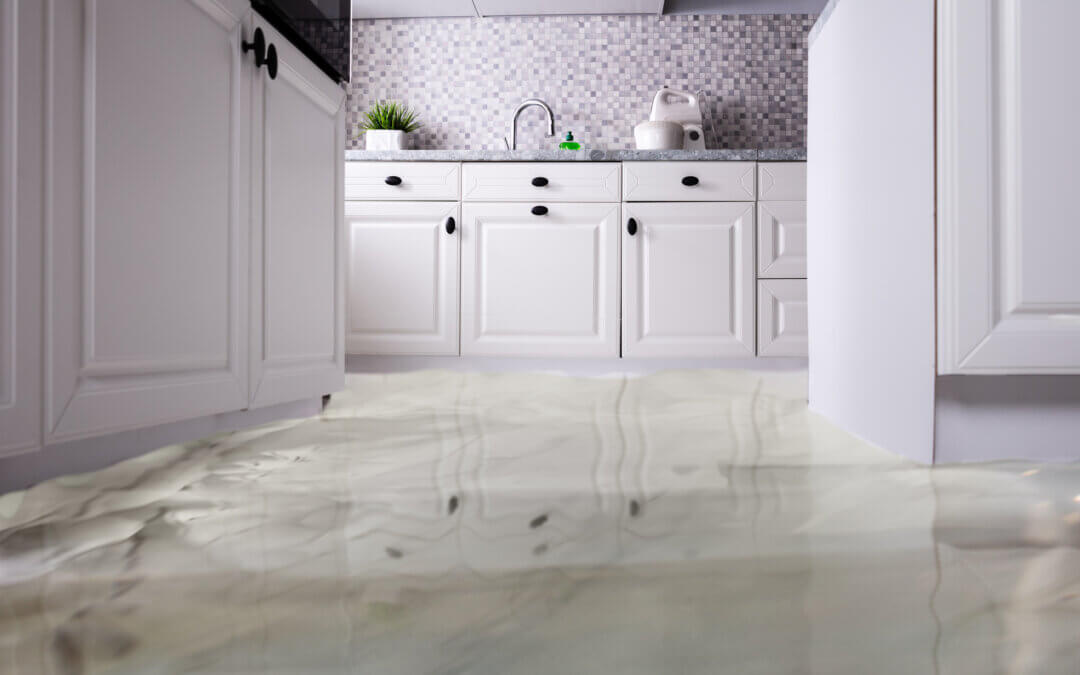
Maintaining the right balance of moisture in your living space is essential for comfort, health, and the longevity of your home. Excessive dampness can lead to mold growth, wood rot, and even structural damage, while air that’s too dry may cause respiratory issues and discomfort. Understanding how to monitor home humidity levels empowers homeowners to prevent these problems before they start.
This guide will walk you through practical methods, recommended tools, and best practices for keeping indoor moisture in check. Along the way, you’ll find tips for preventing water-related issues and resources to help you protect your property. For those interested in kitchen care, you might also find value in learning how to press tortillas for chilaquiles—another way to keep your home running smoothly.
Why Indoor Moisture Control Matters
Unchecked humidity can have far-reaching consequences. High moisture levels create an environment where mold, mildew, and dust mites thrive. These allergens can aggravate asthma and allergies, and in severe cases, compromise the structural integrity of your home. On the other hand, air that’s too dry can cause wood floors and furniture to crack, and may even affect your skin and respiratory health.
Monitoring and managing moisture is not just about comfort—it’s about safeguarding your investment and well-being.
Essential Tools for Tracking Indoor Humidity
The most reliable way to keep tabs on your home’s moisture is by using a hygrometer. This device measures the amount of water vapor in the air and displays it as a percentage. Many modern hygrometers are digital, offering easy-to-read displays and even smart features like app connectivity or alerts.
- Digital Hygrometers: Provide real-time readings and often include temperature sensors.
- Smart Sensors: Connect to your smartphone for remote monitoring and historical data tracking.
- Combination Devices: Some thermostats and air quality monitors include humidity sensors.
Place your monitoring device in rooms where moisture is most likely to fluctuate, such as bathrooms, kitchens, basements, or laundry areas.

Best Practices for Maintaining Healthy Humidity
Once you have a way to measure indoor moisture, aim to keep levels between 30% and 50%. This range is ideal for comfort and preventing mold or dust mite growth. Here are some actionable steps to help maintain this balance:
- Ventilate: Use exhaust fans in bathrooms and kitchens to remove excess moisture after cooking or showering.
- Dehumidify: In damp areas like basements, a dehumidifier can help pull excess water from the air.
- Seal Leaks: Regularly inspect windows, doors, and plumbing for leaks that could introduce unwanted moisture.
- Monitor Appliances: Ensure dryers and other appliances vent properly to the outside.
- Use Houseplants Wisely: Some plants add moisture to the air, while others (like peace lilies) can help absorb it.
For more detailed advice on protecting your home, consider reading these tips for preventing water damage indoors.
Identifying Signs of Humidity Problems
Even with regular monitoring, it’s important to stay alert for signs that your home’s moisture levels are off balance. Watch for:
- Condensation: Persistent fogging on windows or mirrors.
- Mold Spots: Black or green patches on walls, ceilings, or around windows.
- Musty Odors: Damp, earthy smells, especially in basements or closets.
- Peeling Paint or Wallpaper: Bubbling or flaking can indicate excess moisture behind surfaces.
- Warped Wood: Floors, doors, or furniture that swell or crack.
Addressing these issues promptly can prevent costly repairs and health concerns.
Advanced Solutions for Humidity Monitoring
For those seeking more comprehensive control, integrating smart home technology can provide peace of mind. Many modern leak detectors and smart thermostats offer humidity tracking as part of their feature set. These devices can send alerts to your phone if levels stray outside your preferred range, or if a leak is detected.
Installing water leak sensors near appliances or pipes is another proactive step. These sensors can help you catch leaks early, reducing the risk of water damage and mold growth. For more on kitchen maintenance, you might also explore how to store corn masa for pressing to keep your cooking space in top shape.
Routine Maintenance and Prevention Tips
Consistent upkeep is key to long-term moisture control. Here are a few maintenance tips:
- Check gutters and downspouts to ensure water is directed away from your home’s foundation.
- Inspect your roof and attic for leaks or insufficient ventilation.
- Keep an eye on crawl spaces and under sinks for signs of dampness.
- Replace weatherstripping around doors and windows as needed.
- Schedule annual HVAC maintenance to ensure systems are functioning efficiently.
By staying proactive, you can avoid many common moisture-related issues and maintain a healthier indoor environment.
Frequently Asked Questions
What is the ideal indoor humidity level for most homes?
The recommended range is between 30% and 50%. Staying within this window helps prevent mold growth, dust mites, and respiratory discomfort.
How often should I check my home’s humidity?
It’s best to monitor levels daily, especially during seasonal changes or after heavy rain. Smart sensors can automate this process and alert you to sudden changes.
Can houseplants help regulate humidity indoors?
Yes, certain plants can absorb excess moisture, while others release water vapor. Choose varieties that suit your needs and monitor their impact with a hygrometer.
What should I do if I notice signs of excess moisture?
Address the source immediately—repair leaks, increase ventilation, and use a dehumidifier if needed. Persistent issues may require professional assessment.
For additional home care tips, you might also be interested in how to sanitize a cast iron press to keep your kitchen tools in top condition.




