Maintaining the right humidity in your living space is essential for comfort, health, and the protection of your home. Excess moisture can lead to mold, mildew, and even structural damage, while air that is too dry may cause respiratory discomfort and damage to wooden furnishings. Understanding how to monitor home humidity levels is a practical step toward preventing these issues and ensuring a healthy indoor environment.
This guide will walk you through the best methods and tools for tracking moisture indoors, signs of imbalance, and actionable steps to keep your home’s air quality in check. If you’re interested in related home care topics, you might also find value in learning how to sanitize a cast iron press for kitchen hygiene.
Why Indoor Humidity Matters
The moisture content in your home’s air affects everything from your health to the longevity of your property. When humidity is too high, it creates a breeding ground for mold, dust mites, and bacteria. Persistent dampness can also warp wood, peel paint, and damage electronics. On the other hand, air that’s too dry can cause dry skin, irritate respiratory passages, and crack wooden floors or furniture.
The ideal indoor humidity range is typically between 30% and 50%. Staying within this range helps prevent health issues and protects your home from moisture-related damage.
Common Signs of Humidity Problems in the Home
Before investing in monitoring tools, it’s helpful to recognize the telltale signs of humidity imbalance:
- Mold or mildew on walls, ceilings, or windowsills
- Condensation on windows, especially in the morning
- Musty odors in basements, bathrooms, or closets
- Warped wood, peeling paint, or bubbling wallpaper
- Static electricity, dry skin, or frequent nosebleeds (signs of low humidity)
If you notice any of these, it’s time to take a closer look at your home’s moisture levels.
Essential Tools for Tracking Indoor Moisture
The most reliable way to keep tabs on your home’s humidity is by using a hygrometer. These devices measure the percentage of water vapor in the air and are available in both analog and digital versions. Many modern hygrometers also display temperature, making it easier to maintain a comfortable indoor climate.
For those who want to automate the process, smart home sensors can monitor humidity and send alerts to your phone if levels go outside your preferred range. Some advanced leak detectors also track humidity and can help prevent water damage by detecting leaks early.

Best Practices for Monitoring Humidity at Home
To get the most accurate readings and maintain a healthy environment, follow these practical steps:
- Place hygrometers strategically: Install them in rooms prone to moisture, such as bathrooms, kitchens, basements, and laundry areas. Avoid placing them near vents, windows, or direct sunlight, as this can skew readings.
- Check readings regularly: Make it a habit to review humidity levels at least once a day, especially during seasonal changes or after heavy rainfall.
- Use multiple sensors: For larger homes, consider using several hygrometers to monitor different zones. This helps identify problem areas and ensures balanced air quality throughout the house.
- Pair with leak detectors: Devices like pipe or toilet leak detectors can alert you to hidden water issues that may affect humidity. These tools are especially valuable in preventing costly water damage.
- Maintain your devices: Replace batteries and calibrate your hygrometers as recommended by the manufacturer to ensure ongoing accuracy.
How to Respond to High or Low Humidity Readings
Once you’ve established a routine for tracking moisture indoors, it’s important to know how to respond to readings outside the ideal range.
Dealing with Excess Moisture
- Ventilate: Use exhaust fans in bathrooms and kitchens, and open windows when weather permits.
- Use a dehumidifier: These appliances remove excess moisture from the air, especially useful in basements or during humid seasons.
- Fix leaks promptly: Address plumbing leaks, roof issues, or foundation cracks to prevent water intrusion.
- Monitor for hidden water sources: Smart leak detectors can help you catch problems before they escalate.
Addressing Dry Air
- Add a humidifier: Portable or whole-house humidifiers can raise moisture levels during winter or in arid climates.
- Seal gaps: Weatherstrip doors and windows to prevent dry outdoor air from entering.
- Use houseplants: Certain plants naturally release moisture into the air, helping to balance humidity.
Preventing Water Damage and Mold Growth
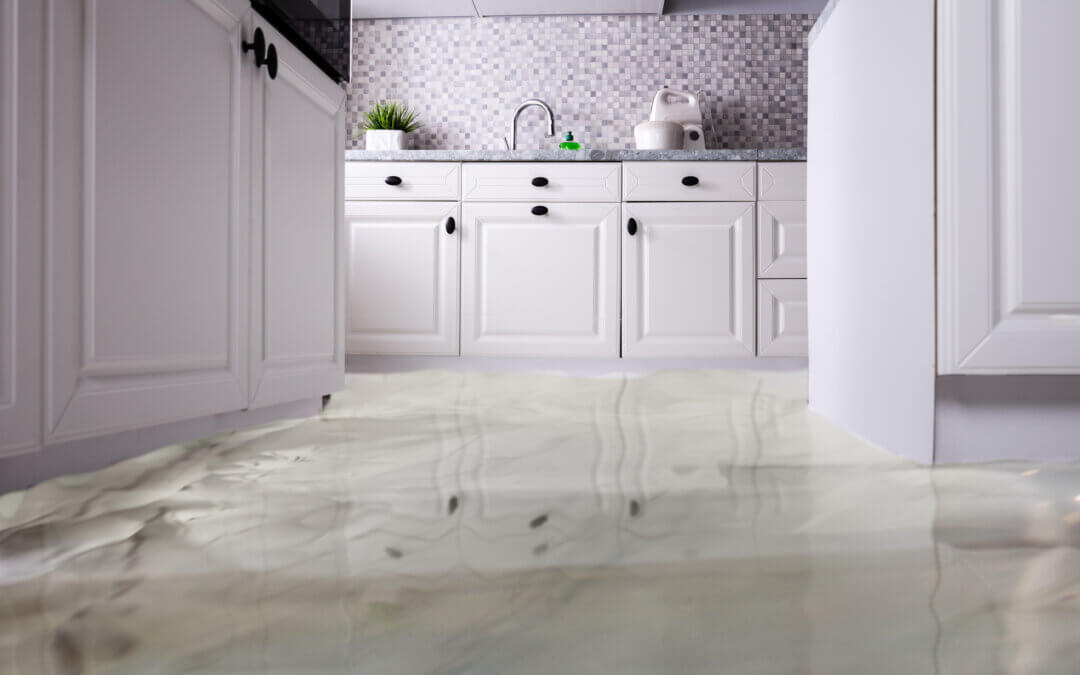
Proactive monitoring is only part of the equation. Taking steps to prevent water damage and mold is equally important. Regularly inspect pipes, appliances, and roofs for leaks. Clean gutters and downspouts to direct water away from your home’s foundation. If you’re looking for more detailed advice, this comprehensive guide to protecting your home from water damage offers practical tips.
Mold thrives in damp, poorly ventilated spaces. Use exhaust fans, keep surfaces dry, and address spills or leaks immediately. If you discover mold, clean it with appropriate products and consider consulting a professional for extensive infestations.
Integrating Humidity Monitoring Into Your Home Routine
Making moisture tracking part of your regular home maintenance routine is straightforward. Set reminders to check sensors, inspect for leaks, and adjust humidifiers or dehumidifiers as needed. Over time, you’ll develop an intuitive sense for your home’s unique needs, making it easier to prevent issues before they arise.
For those interested in other home care tips, you might want to explore how to press tortillas for chilaquiles or how to store corn masa for pressing for kitchen efficiency.
Frequently Asked Questions
What is the ideal humidity level for a home?
The recommended indoor humidity range is between 30% and 50%. This helps prevent mold growth, protects furnishings, and supports respiratory health.
How often should I check my home’s humidity?
It’s best to check humidity daily, especially during seasonal changes or after events like heavy rain. Smart sensors can automate this process and send alerts if levels become problematic.
Can humidity affect my home’s structure?
Yes, excessive moisture can cause wood to warp, paint to peel, and even lead to structural damage over time. Consistent monitoring and prompt action can help you avoid costly repairs.
Are there affordable ways to monitor humidity?
Absolutely. Basic analog or digital hygrometers are inexpensive and widely available. For added convenience, smart sensors and leak detectors offer automated tracking and notifications.