Excess humidity is a common issue in many households, leading to problems such as mold growth, musty odors, and even structural damage. Managing indoor moisture levels is essential for maintaining a healthy and comfortable living space. Effective air circulation and targeted moisture control strategies can help prevent water damage and protect your home’s value.
This article explores practical ventilation tips to reduce moisture indoors, focusing on actionable steps for homeowners and renters alike. You’ll also find guidance on identifying sources of excess humidity and learn how to address them before they become costly issues.

For those interested in kitchen care, you might also want to check out our guide on how to press tortillas for chilaquiles, which covers best prep methods for homemade dishes.
Why Moisture Control Matters in Every Room
High humidity can affect any area of your house, from basements and bathrooms to kitchens and attics. When left unchecked, moisture can lead to peeling paint, warped wood, and persistent dampness. More seriously, it creates an ideal environment for mold and mildew, which can trigger allergies and respiratory issues.
By implementing simple ventilation strategies, you can significantly reduce the risk of these problems and improve indoor air quality. Let’s look at the most effective ways to keep humidity in check.
Identifying Common Sources of Indoor Moisture
Before you can address excess humidity, it’s important to understand where it comes from. Everyday activities such as cooking, showering, and drying clothes indoors all release water vapor into the air. Leaks from pipes or appliances can also contribute to high moisture levels.

Some of the most frequent culprits include:
- Leaky plumbing or appliances (dishwashers, washing machines, water heaters)
- Poorly ventilated bathrooms and kitchens
- Unsealed windows and doors allowing damp air inside
- Basements with inadequate drainage or waterproofing
- Roof leaks or clogged gutters
Addressing these sources is the first step in any moisture reduction plan. If you’re unsure where the problem originates, consider using leak detectors or consulting a professional for a thorough inspection.
Essential Ventilation Strategies for Moisture Reduction
Effective air movement is one of the best defenses against humidity buildup. Here are some proven ventilation tips to reduce moisture throughout your home:
Maximize Natural Airflow
Whenever weather permits, open windows and doors to allow fresh air to circulate. Cross-ventilation—opening windows on opposite sides of a room—helps push stale, damp air out and brings in drier air from outside.
- Open windows in the morning and evening when outdoor humidity is lower.
- Use window screens to keep insects out while letting air in.
- Keep interior doors open to encourage airflow between rooms.
Install and Use Exhaust Fans
Exhaust fans are essential in areas where moisture is generated, such as bathrooms, kitchens, and laundry rooms. Make sure fans vent to the outside, not just into the attic or another room.
- Run bathroom fans during and after showers for at least 20 minutes.
- Use range hoods while cooking to remove steam and odors.
- Install a fan in the laundry area if possible, especially when using a dryer.
Utilize Dehumidifiers and Air Conditioners
In regions with persistent humidity, portable or whole-house dehumidifiers can be a game changer. Air conditioners also help by removing moisture from the air as they cool your home.
- Place dehumidifiers in basements, crawl spaces, or any room prone to dampness.
- Empty and clean the water reservoir regularly to prevent mold growth inside the unit.
- Set your air conditioner to “dry” mode if available for extra moisture control.
Preventing Moisture Buildup: Maintenance and Habits
Alongside ventilation, regular maintenance and smart habits can further reduce the risk of dampness indoors.
Fix Leaks and Seal Gaps
Inspect plumbing, appliances, and roofing for leaks. Prompt repairs can prevent water from seeping into walls and floors. Weatherstripping and caulking around windows and doors help block humid air from entering.
Dry Clothes Responsibly
Avoid drying laundry indoors whenever possible. If you must, use a vented dryer or hang clothes in a well-ventilated area with a fan or open window.
Monitor Humidity Levels
Use a hygrometer to track indoor humidity. Aim to keep levels between 30% and 50% for optimal comfort and mold prevention.
Room-by-Room Guidance for Managing Humidity
Bathrooms
Always use the exhaust fan when showering or bathing. Wipe down wet surfaces and keep shower doors or curtains open after use to speed up drying. Consider installing a humidity-sensing fan for automatic moisture control.
Kitchens
Use range hoods or open windows while cooking. Cover pots to reduce steam and clean up spills promptly. Check under sinks and around dishwashers for leaks.
Basements and Crawl Spaces
Ensure these areas are well-ventilated and dry. Use a dehumidifier if needed, and inspect for foundation cracks or water seepage. Keep storage items off the floor and away from walls to allow air circulation.
When to Seek Professional Help
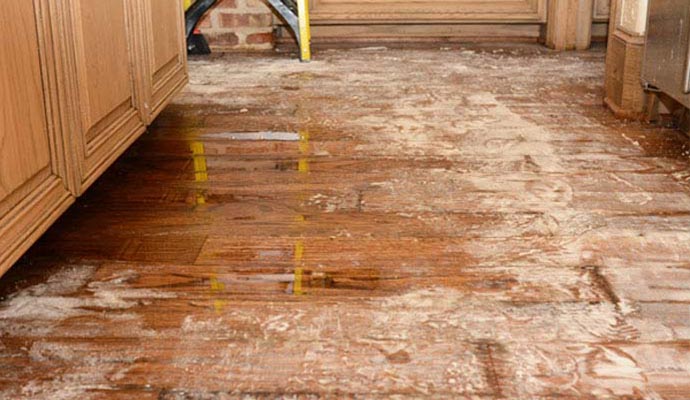
If you notice persistent dampness, visible mold, or musty odors despite your best efforts, it may be time to consult a specialist. Water damage restoration experts can identify hidden leaks and recommend solutions tailored to your home’s needs. For more information on preventing water damage, see this comprehensive guide to stopping water damage at home.
Frequently Asked Questions
How can I tell if my home has too much moisture?
Signs of excess humidity include condensation on windows, musty smells, peeling paint, and visible mold growth. Using a hygrometer can help you monitor indoor humidity levels accurately.
What is the ideal indoor humidity level?
Aim to keep indoor humidity between 30% and 50%. This range helps prevent mold growth and keeps your home comfortable year-round.
Are there any quick fixes for sudden moisture problems?
For immediate relief, open windows and run exhaust fans to increase airflow. Use towels to dry wet surfaces and set up a portable dehumidifier if available. Address leaks as soon as possible to prevent further damage.
For more advice on maintaining a healthy home, you might also find our article on how to sanitize a cast iron press useful, especially if you’re concerned about kitchen hygiene.