Water damage is one of the most common and costly issues faced by homeowners. Even a small, undetected leak can lead to significant repairs, mold growth, and loss of personal property. That’s why understanding how leak detectors work is essential for anyone looking to safeguard their living space from unexpected water problems.
Leak detection devices have become a crucial part of modern home protection strategies. By identifying leaks early, these tools can help prevent extensive damage and save money on repairs. In this article, we’ll explore the technology behind leak detectors, their different types, and how they contribute to a safer, more resilient home.
If you’re interested in related home technology topics, you might also enjoy our guide on how to press tortillas for chilaquiles, which covers innovative kitchen tools and prep methods.
Why Early Leak Detection Matters
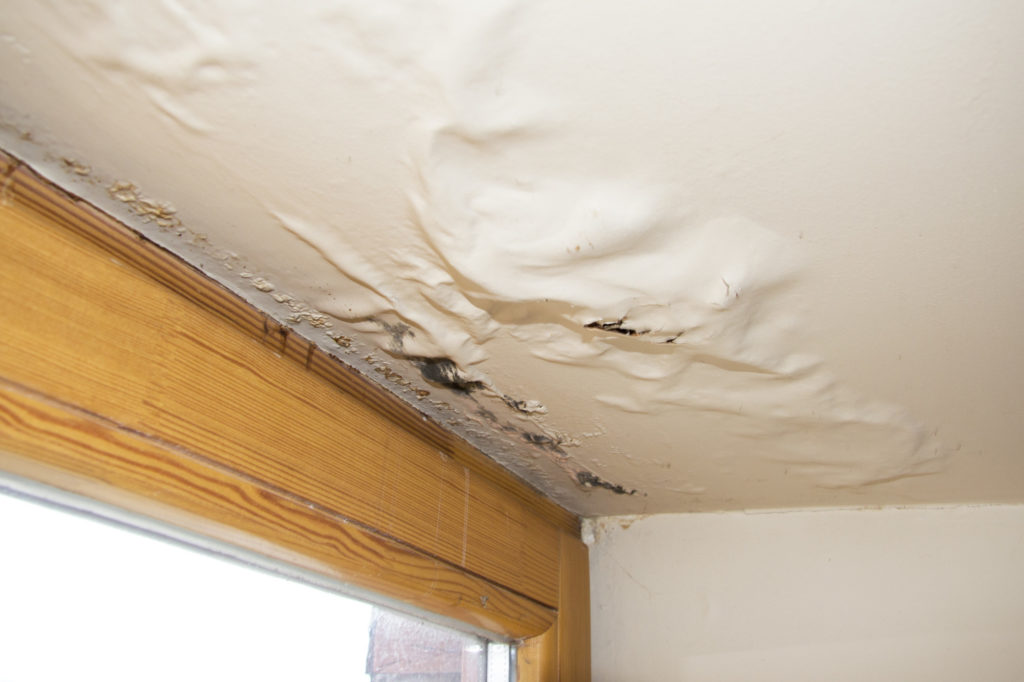
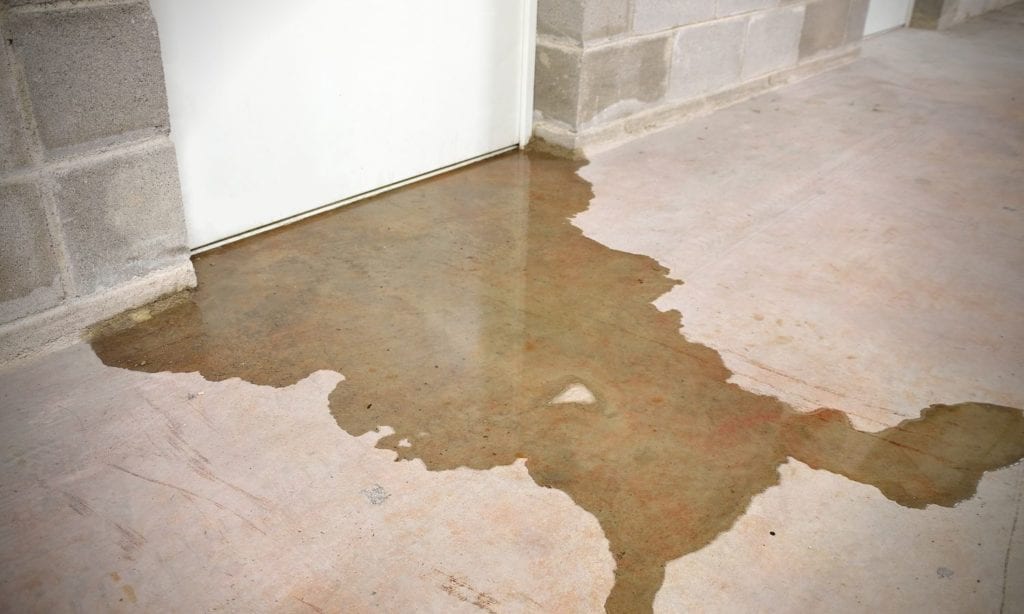
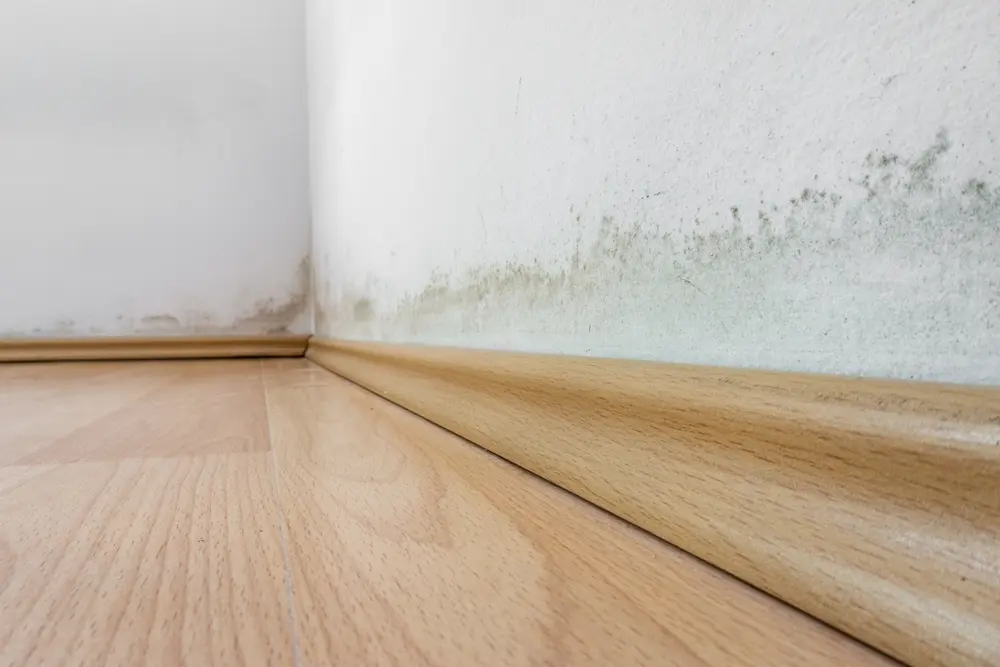
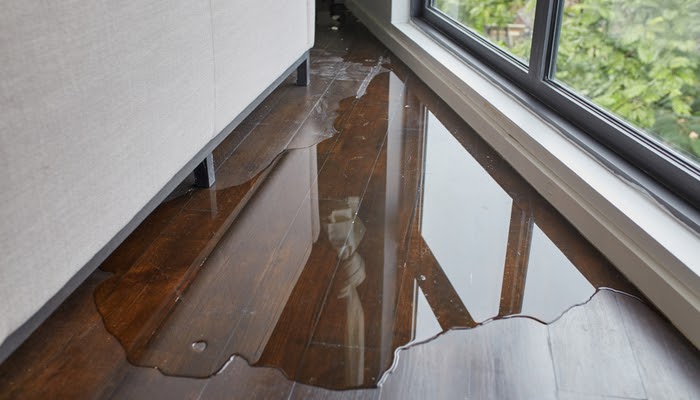
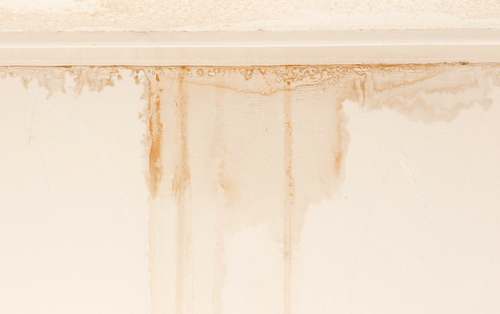
Water leaks can originate from a variety of sources—burst pipes, faulty appliances, worn-out seals, or even slow drips behind walls. If left unnoticed, these leaks can cause structural damage, undermine foundations, and create an environment ripe for mold and mildew. The financial impact can be severe, with insurance claims for water damage often running into thousands of dollars.
By installing leak detection systems, homeowners gain a proactive defense against these risks. These devices provide real-time alerts and, in some cases, can even shut off the water supply automatically to minimize damage. For more tips on preventing water-related disasters, check out this comprehensive guide to protecting your home from water damage.
Understanding the Technology: How Leak Detectors Operate
At the core of every leak detection device is a sensor designed to identify the presence of water where it shouldn’t be. There are several types of sensors and mechanisms used in these devices, each suited to different environments and threats. Here’s a breakdown of the most common technologies:
- Moisture Sensors: These use conductive metal probes to detect water. When water bridges the gap between the probes, it completes an electrical circuit, triggering an alarm.
- Acoustic Sensors: By listening for the sound of water escaping pipes, these detectors can identify leaks that may not be visible, such as those within walls or underground.
- Flow Meters: These monitor the flow of water through pipes. If they detect unusual patterns—like continuous flow when no one is home—they send alerts or shut off the supply.
- Pressure Sensors: A sudden drop in water pressure can indicate a leak. Some advanced systems use pressure monitoring to catch leaks even before water becomes visible.
Most modern leak detectors are equipped with wireless connectivity, allowing them to send notifications to your smartphone or integrate with smart home systems. This ensures you’re alerted to problems immediately, no matter where you are.
Types of Leak Detection Devices for Home Use
There’s a wide range of leak detection products available, each designed for specific applications and budgets. Understanding the differences can help you choose the right solution for your home.
Standalone Water Sensors
These compact devices are placed near appliances, under sinks, or in basements. When they detect moisture, they sound an audible alarm and may send a notification to your phone. They’re ideal for catching leaks from washing machines, water heaters, or toilets.
Smart Leak Detectors with Shutoff Valves
Some advanced systems go beyond simple alerts. They include an automatic shutoff valve that cuts the water supply if a leak is detected, preventing further damage. These systems are typically installed on the main water line and monitored via a smartphone app.
Whole-Home Monitoring Solutions
For comprehensive protection, whole-home leak detection systems monitor water usage patterns throughout your plumbing. They use a combination of flow, pressure, and acoustic sensors to identify even hidden leaks. These systems are especially valuable for larger homes or properties with complex plumbing.
Key Features to Look for in Leak Detection Systems
When selecting a leak detection solution, consider the following features to maximize protection and convenience:
- Real-Time Alerts: Immediate notifications via smartphone or alarm help you respond quickly to leaks.
- Automatic Shutoff: Systems with this feature can stop water flow automatically, minimizing potential damage.
- Battery Backup: Ensures the detector works even during power outages.
- Integration with Smart Home Platforms: Compatibility with systems like Alexa or Google Home allows for seamless monitoring and control.
- Easy Installation: Many detectors are designed for DIY setup, while others may require professional installation, especially those with shutoff valves.
Installation Tips and Best Practices
Proper placement and maintenance are crucial for effective leak detection. Here are some tips to get the most out of your system:
- Install sensors in areas most prone to leaks, such as under sinks, behind toilets, near water heaters, and in basements.
- Test your detectors regularly to ensure they’re functioning correctly.
- Replace batteries as needed and keep sensors clean and unobstructed.
- For whole-home systems, consider professional installation to ensure optimal performance.
By following these guidelines, you can significantly reduce the risk of undetected leaks and the costly damage they can cause.
Frequently Asked Questions
What maintenance do leak detectors require?
Most water leak sensors require minimal maintenance. Regularly check the battery status, test the alarm function, and ensure the sensors are free from dust or debris. For smart systems, keep the software or app updated for best performance.
Can leak detectors prevent all types of water damage?
While these devices are highly effective at catching leaks early, they may not detect issues caused by roof leaks, flooding from outside sources, or condensation. Combining leak detectors with other home protection measures offers the most comprehensive defense.
Are smart leak detectors worth the investment?
Smart leak detectors provide real-time alerts, remote monitoring, and often integrate with other smart home devices. For homeowners seeking peace of mind and rapid response to leaks, these features can be well worth the investment.
Understanding how leak detectors work and choosing the right system can make a significant difference in protecting your property and finances. With proactive installation and regular maintenance, you’ll be better equipped to prevent water damage and maintain a safe, comfortable home.