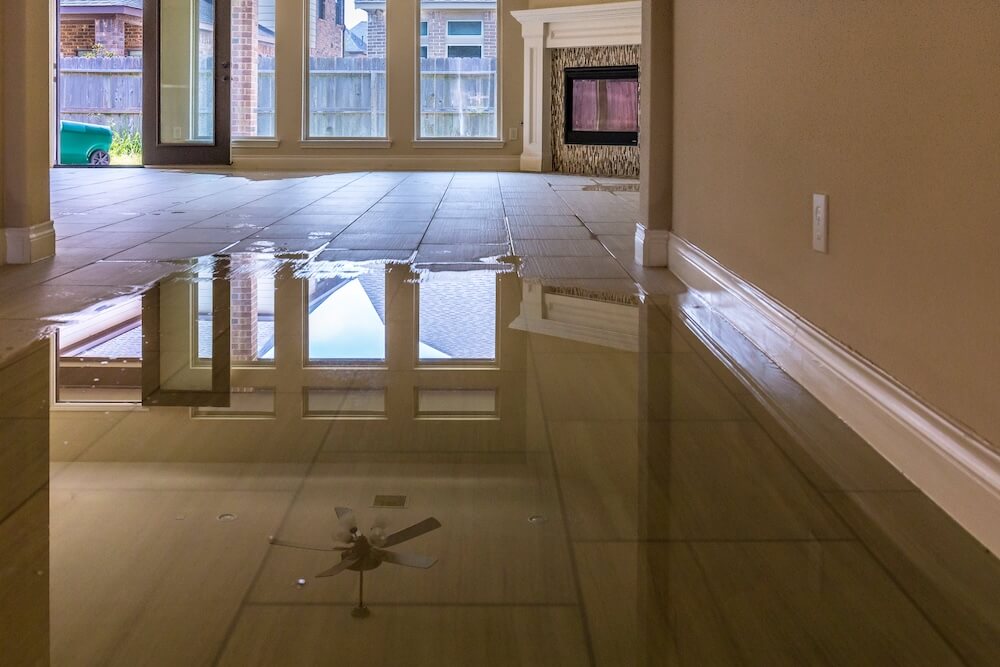
Water damage and contamination can pose serious risks to your household, from costly repairs to health hazards. Developing a comprehensive approach to water safety at home is essential for protecting your property and the well-being of everyone in your living space. This article provides a step-by-step framework to help you establish effective safeguards, identify vulnerabilities, and respond quickly to potential water-related emergencies.
Whether you’re a homeowner or a renter, understanding the basics of water safety planning will empower you to prevent issues before they escalate. Along the way, you’ll find practical tips, recommended tools, and resources to help you build a robust plan tailored to your home’s unique needs. For those interested in kitchen safety and maintenance, you might also find value in learning how to sanitize a cast iron press between cooking sessions.
Why a Residential Water Safety Strategy Matters
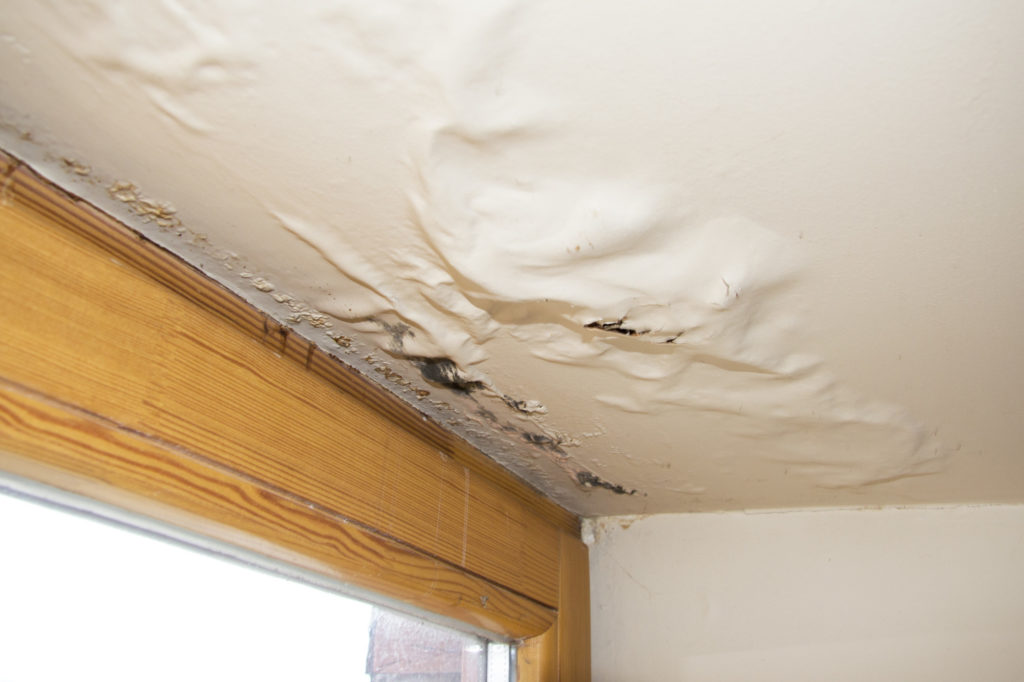
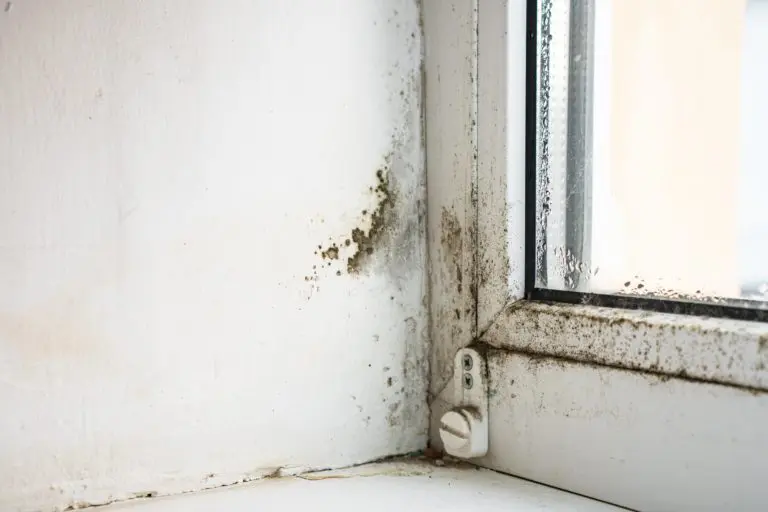
Many people underestimate the impact of water-related incidents until they experience a leak, burst pipe, or contamination event. A well-crafted plan not only helps you minimize property damage but also reduces the risk of mold growth, electrical hazards, and health issues caused by unsafe water. By proactively addressing these concerns, you can save money, safeguard your family, and maintain a healthier living environment.
Assessing Your Home’s Water Risks
The first step in developing a water safety protocol is to evaluate your home for potential vulnerabilities. Consider the following areas:
- Plumbing system: Inspect pipes, joints, and fixtures for signs of wear, corrosion, or leaks.
- Appliances: Check washing machines, dishwashers, water heaters, and refrigerators with ice makers for hose integrity and proper drainage.
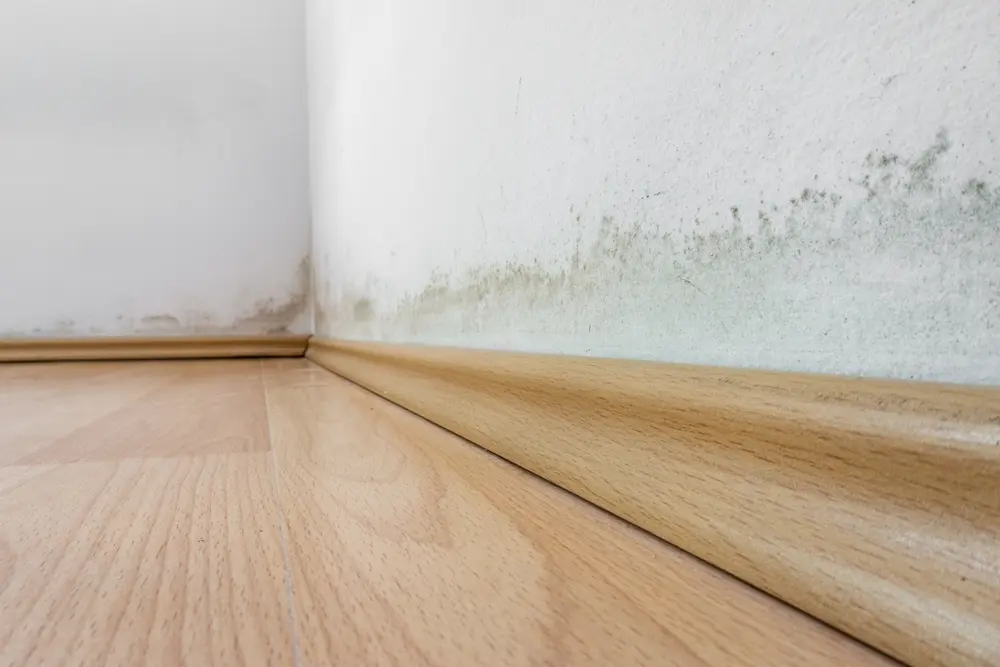
- Bathrooms and kitchens: Examine under sinks, around toilets, and behind appliances for moisture or mold.
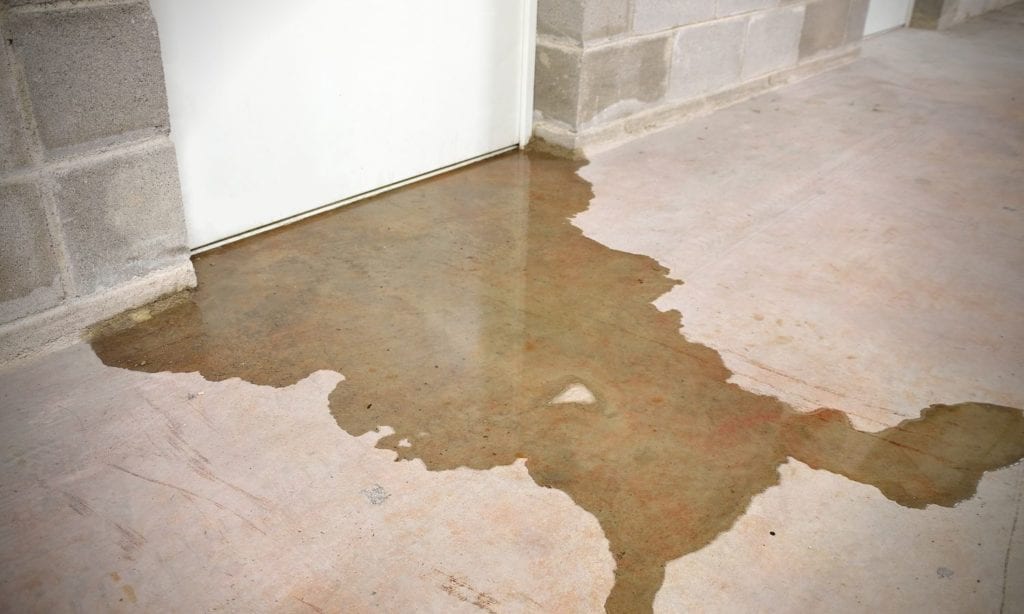
- Basement and crawl spaces: Look for dampness, pooling water, or musty odors that could indicate seepage or flooding risks.
- Roof and gutters: Ensure gutters are clear and the roof is free from leaks that could allow water intrusion.
Document your findings and prioritize areas that require immediate attention. Regular inspections, ideally every six months, can help catch issues early.
Key Elements of an Effective Water Safety Plan
Building a comprehensive approach involves several components. Here’s what to include:
1. Emergency Shut-Off Procedures
Every household member should know the location of the main water shut-off valve and how to operate it. Label the valve clearly and ensure it’s accessible. In case of a major leak or burst pipe, shutting off the water supply quickly can prevent extensive damage.
2. Leak Detection and Monitoring
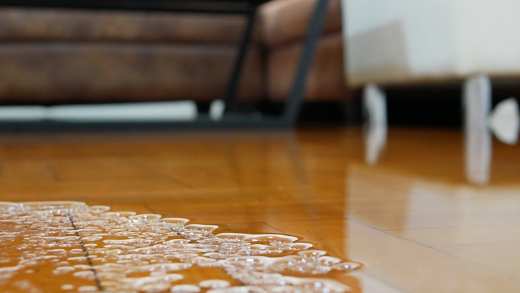
Installing smart leak detectors or water sensors in high-risk areas can provide early warnings of leaks or flooding. Devices placed under sinks, near water heaters, or in basements can alert you to moisture before it becomes a major problem. Consider investing in a pipe or toilet leak detector for added peace of mind.
3. Routine Maintenance and Inspections
Schedule regular checks of plumbing fixtures, hoses, and appliances. Replace old or brittle hoses, tighten fittings, and clean out drains to prevent blockages. Don’t forget to inspect outdoor spigots and irrigation systems, especially before winter.
4. Water Quality Testing
If you rely on well water or have concerns about municipal supply, periodic water testing is crucial. Test for contaminants such as bacteria, lead, and nitrates. Use certified labs or home test kits, and address any issues promptly to ensure safe drinking water.
5. Mold Prevention and Remediation
Address leaks and dampness immediately to prevent mold growth. Use dehumidifiers in humid areas, and clean up spills or standing water quickly. If mold appears, use appropriate cleaning solutions and consider professional remediation for large infestations.
Developing Your Household Response Plan
Preparation is key to minimizing the impact of water emergencies. Create a written plan that covers:
- Emergency contacts: List local plumbers, water utility providers, and insurance contacts.
- Evacuation routes: Identify safe exits in case of flooding.
- Roles and responsibilities: Assign tasks to household members, such as shutting off water or moving valuables.
- Location of tools: Keep wrenches, towels, and buckets in accessible spots.
Review and practice your plan annually, updating it as your home or household changes.
Tools and Resources for Water Safety
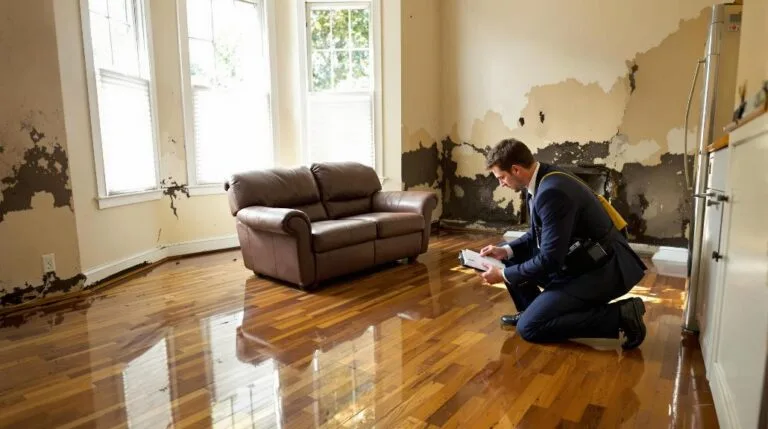
There are many products and resources available to help you maintain a safe environment. Leak detectors, smart water shut-off valves, and water quality test kits are widely available. For more detailed guidance on protecting your property, review these tips to protect your home from water damage from restoration professionals.
Homeowners can also benefit from regular education on household maintenance. If you’re interested in food preparation and kitchen tools, you might want to read about how to press tortillas for chilaquiles or how to store corn masa for pressing to keep your kitchen running smoothly.
Maintaining and Updating Your Plan
A water safety plan is not a one-time task. Revisit your procedures after major home renovations, appliance upgrades, or changes in household occupancy. Stay informed about new technologies and best practices for leak detection and water quality. Encourage all residents to participate in regular reviews and drills to ensure everyone is prepared.
Frequently Asked Questions
What are the most common causes of water damage in homes?
The most frequent sources include burst pipes, leaking appliances, roof leaks, clogged gutters, and poor drainage around the foundation. Regular inspections and maintenance can help prevent these issues.
How often should I test my home’s water quality?
For municipal water, annual testing is generally sufficient unless you notice changes in taste, color, or odor. If you use well water, test at least once a year for bacteria and contaminants, and after any major plumbing work or flooding.
What should I do if I discover a leak?
Immediately shut off the main water supply, contain the leak with towels or buckets, and contact a licensed plumber. Dry the affected area thoroughly to prevent mold growth, and document the damage for insurance purposes.
Are smart leak detectors worth the investment?
Yes, these devices can provide early alerts to water leaks, helping you respond quickly and minimize damage. Many models can be monitored remotely via smartphone apps, offering added convenience and peace of mind.
By taking proactive steps and staying vigilant, you can significantly reduce the risks associated with water damage and contamination in your home. A thoughtful, well-maintained plan will help you respond confidently to emergencies and keep your living space safe for years to come.