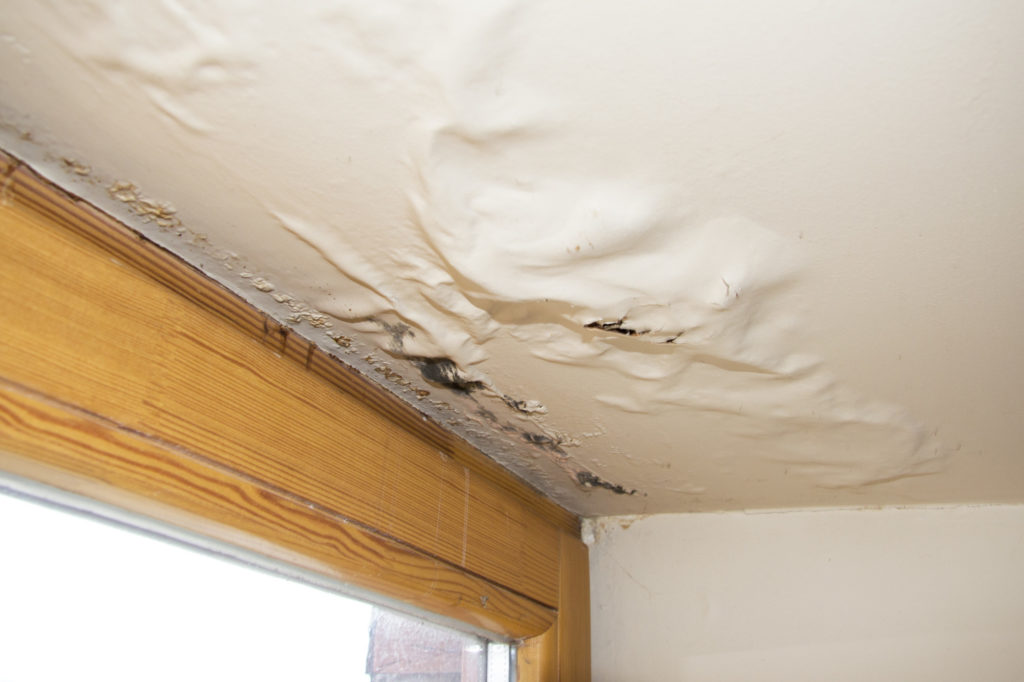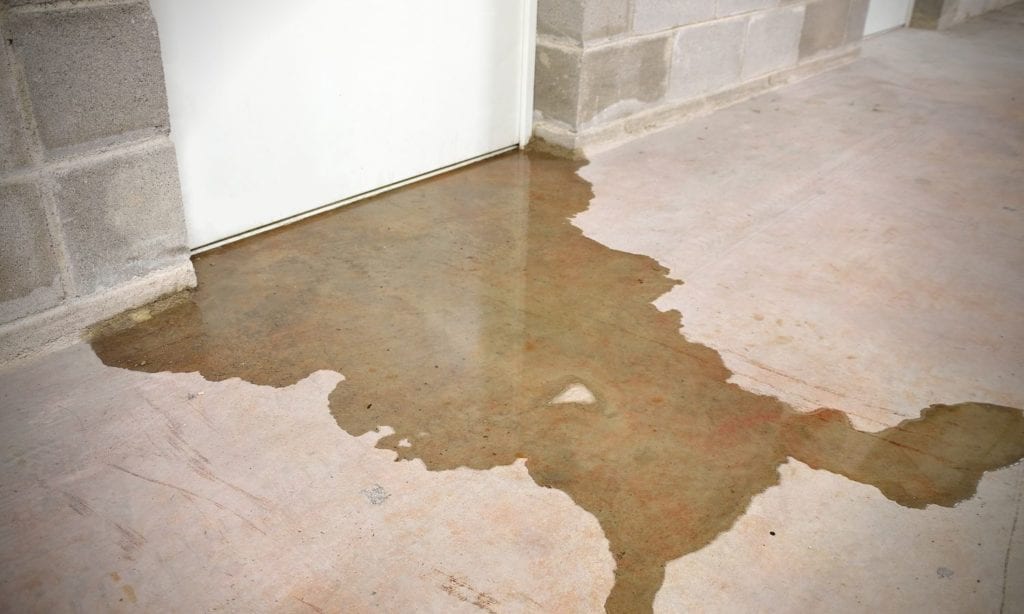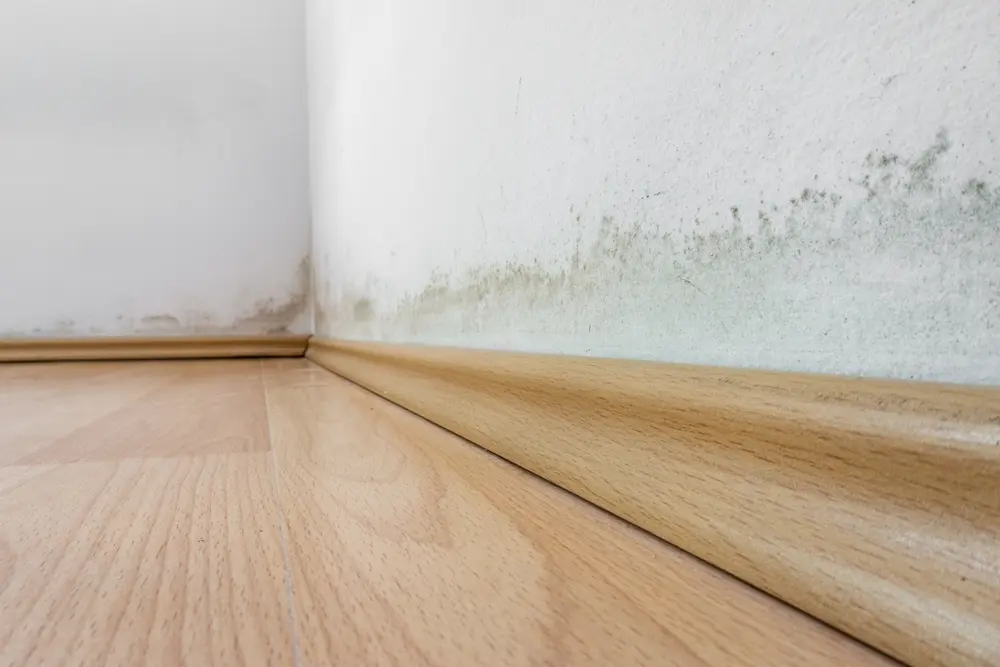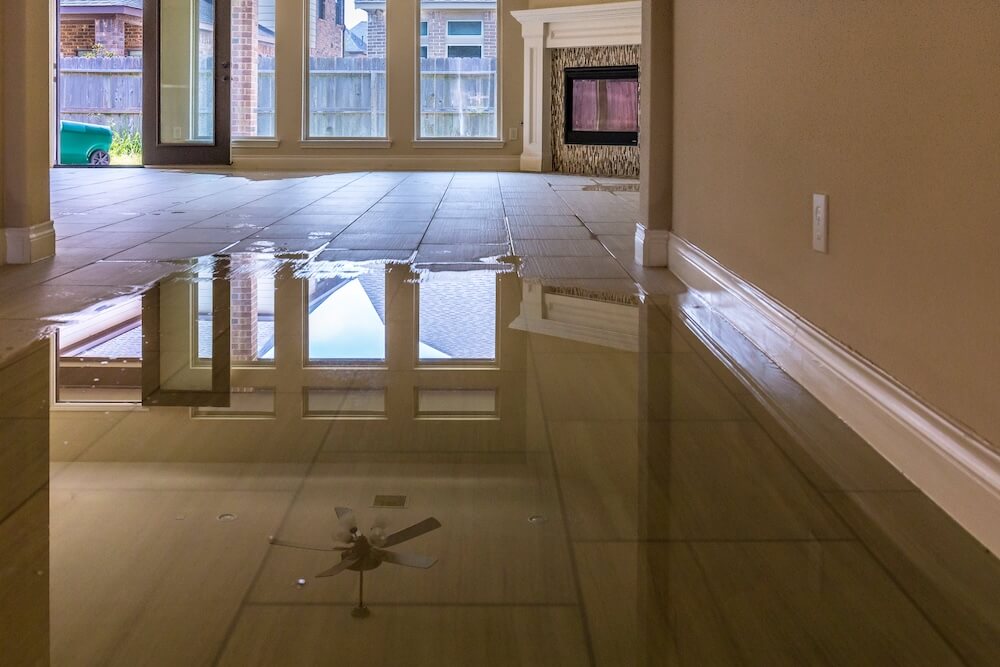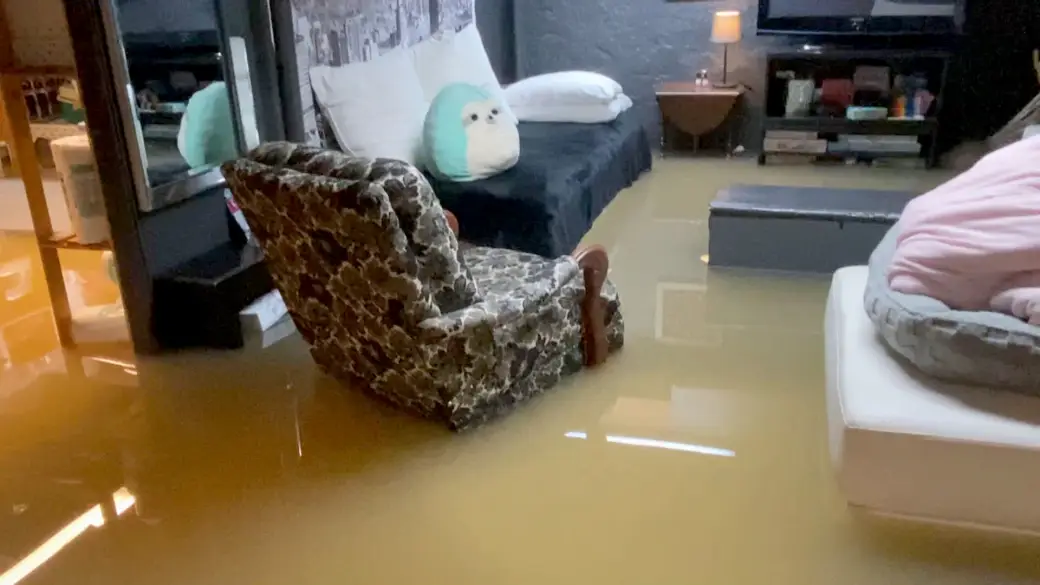
Effective rainwater drainage around house is essential for protecting your property from water damage, basement flooding, and costly repairs. Many homeowners underestimate how quickly water can accumulate near foundations, leading to issues like mold, structural weakening, and landscape erosion. By understanding the principles of proper drainage and applying proven solutions, you can safeguard your home and maintain its value for years to come.
Whether you’re dealing with heavy seasonal rains or simply want to prevent future problems, learning about the best ways to manage runoff is a smart investment. This article covers practical strategies, common mistakes, and actionable tips to help you keep your property dry and safe. For those interested in related home care topics, you might also find value in our guide on how to sanitize a cast iron press.
Why Proper Drainage Matters for Your Home
Water pooling near your foundation can cause a range of problems, from minor landscaping issues to severe structural damage. Over time, poor drainage can lead to:
- Basement flooding and water seepage
- Mold and mildew growth inside walls and crawlspaces
- Foundation cracks and settling
- Soil erosion and landscape deterioration
- Increased risk of pest infestations
Addressing these risks early with a well-designed runoff management system is far less expensive than repairing the consequences of neglect. Homeowners who invest in quality solutions often see improved property value and peace of mind during heavy storms.
Key Principles of Rainwater Management Around Foundations
The main goal is to direct water away from your home’s base as efficiently as possible. Here are the core principles to follow:
- Grade the soil so it slopes away from the house, ideally dropping at least 6 inches over the first 10 feet.
- Install and maintain gutters and downspouts to collect roof runoff and channel it away from the foundation.
- Use downspout extensions or splash blocks to move water several feet from the house.
- Consider French drains or other subsurface systems for areas with persistent pooling.
- Keep drainage paths clear of debris, mulch, and landscaping barriers.
Common Drainage Solutions for Residential Properties
There are several effective methods for managing rainwater around your home. The right combination depends on your property’s layout, soil type, and local climate.
Gutters and Downspouts: The First Line of Defense
Well-maintained gutters are crucial for capturing roof runoff. Ensure they are free of leaves and debris, and check that downspouts direct water at least 4–6 feet away from the foundation. Adding extensions or flexible piping can help in areas with heavy rainfall.
Grading and Landscaping for Effective Runoff Control
The ground around your home should slope gently away to prevent water from collecting near the walls. If necessary, add soil to low spots or reshape beds to encourage proper flow. Avoid piling mulch or decorative stones against the foundation, as these can trap moisture.

French Drains and Subsurface Solutions
For areas where surface grading isn’t enough, a French drain can collect and redirect water underground. This involves a perforated pipe surrounded by gravel, buried in a trench that slopes away from the house. French drains are especially useful for homes with clay soil or persistent wet spots.
Dry Wells and Rain Gardens
A dry well is an underground structure that collects excess water and allows it to soak into the ground slowly. Rain gardens, planted with deep-rooted native species, can also absorb and filter runoff, reducing the burden on your drainage system while enhancing your landscape.
Preventing Basement Flooding and Water Intrusion
Even with good exterior drainage, water can sometimes find its way inside. To minimize the risk:
- Seal cracks in foundation walls and floors with waterproofing compounds.
- Install a sump pump in basements prone to flooding.
- Use window well covers to keep out rain and debris.
- Regularly inspect and repair caulking around windows and doors.

Maintenance Tips for Long-Term Drainage Performance
Consistent upkeep is key to ensuring your rainwater drainage system works as intended. Here are some maintenance tips:
- Clean gutters and downspouts at least twice a year, especially after heavy storms or leaf fall.
- Check for signs of erosion or pooling after rain and adjust grading as needed.
- Inspect French drains and dry wells for blockages or sediment buildup.
- Test sump pumps annually to confirm they operate correctly during emergencies.
- Monitor landscaping changes that could impact water flow, such as new plantings or hardscapes.
For more advanced strategies, you can explore flood-resistant home design tips that go beyond basic drainage.
Frequently Asked Questions
What is the ideal slope for soil around a home’s foundation?
The ground should slope away from the foundation at a rate of about 6 inches over the first 10 feet. This helps ensure that rainwater flows away from the house rather than pooling near the walls.
How often should gutters and downspouts be cleaned?
It’s best to clean gutters and downspouts at least twice a year—once in the spring and again in the fall. If you have many trees nearby, more frequent cleaning may be necessary to prevent clogs and overflow.
Are French drains suitable for all soil types?
French drains are effective in most soil types, but they are especially beneficial in clay or poorly draining soils. In sandy soils, water may drain naturally, but a French drain can still help manage excess runoff.
Can landscaping affect rainwater flow around my house?
Yes, landscaping choices such as raised beds, hardscapes, and mulch placement can influence how water moves around your property. Always ensure that landscaping features do not block or redirect water toward the foundation.
Conclusion
Managing rainwater drainage around your home is a critical part of property maintenance. By combining smart grading, reliable gutter systems, and proactive maintenance, you can protect your foundation and avoid costly water damage. Stay vigilant during rainy seasons, and don’t hesitate to seek professional advice for complex drainage challenges. With the right approach, your home will remain dry, safe, and structurally sound for years to come.