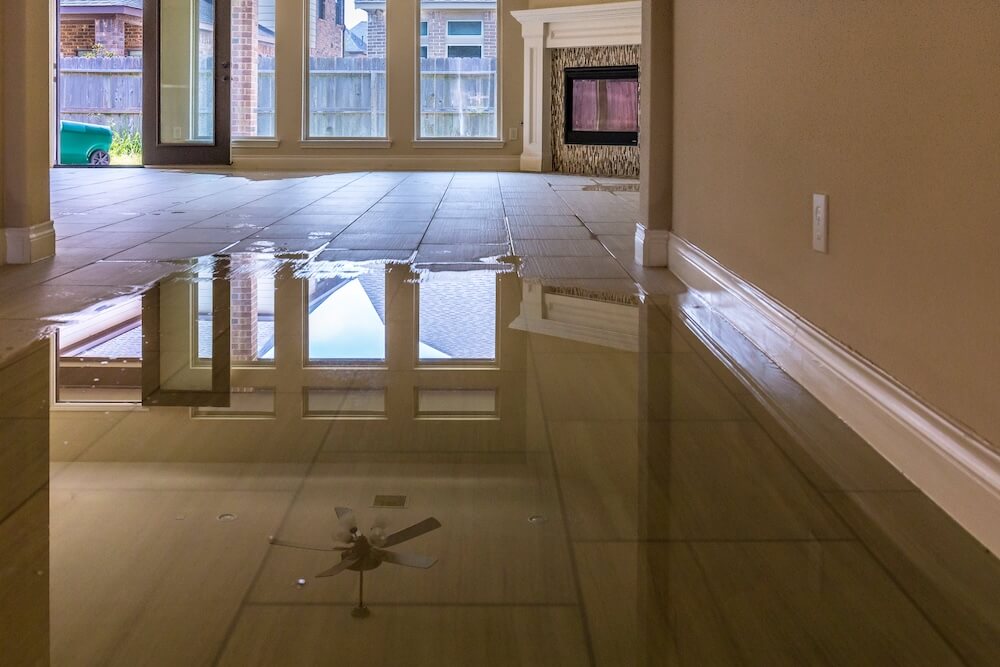
Water leaks are one of the most common and costly issues homeowners face. Undetected leaks can lead to structural damage, mold growth, and expensive repairs. Having the best home inspection tools for leaks is essential for early detection and prevention. Whether you’re a homeowner, landlord, or professional inspector, understanding which devices are most effective can help you protect your property and save money in the long run.
This article explores the top devices and technologies used to identify hidden moisture and plumbing problems. We’ll cover essential features, practical tips for use, and how to choose the right equipment for your needs. For those interested in related home maintenance topics, you might also find value in learning how to sanitize a cast iron press between cooking sessions.
Why Leak Detection Tools Matter
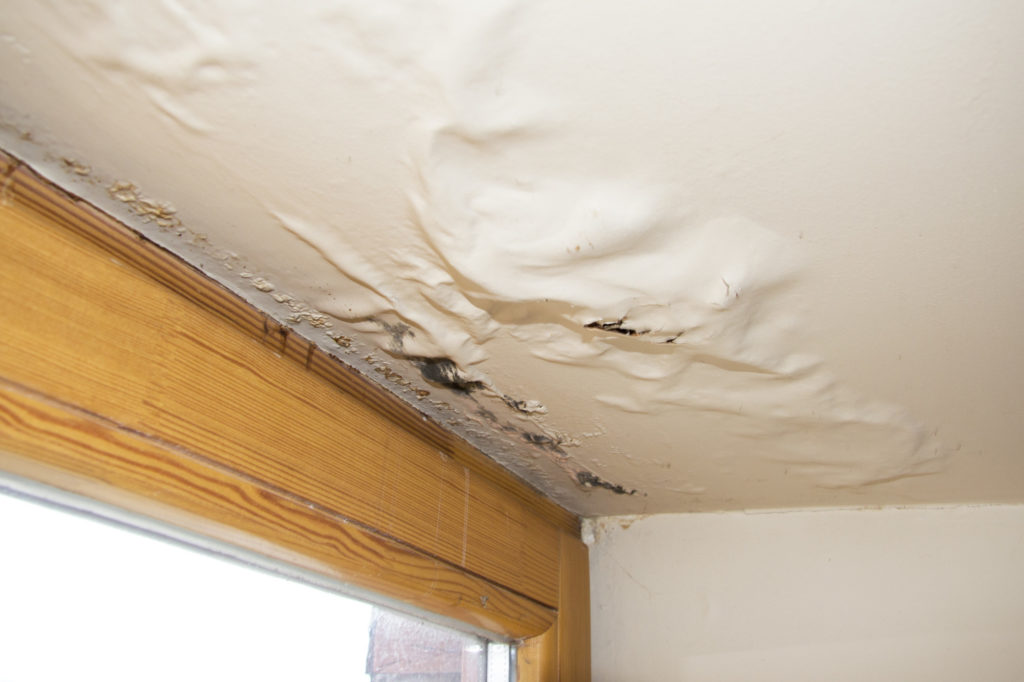
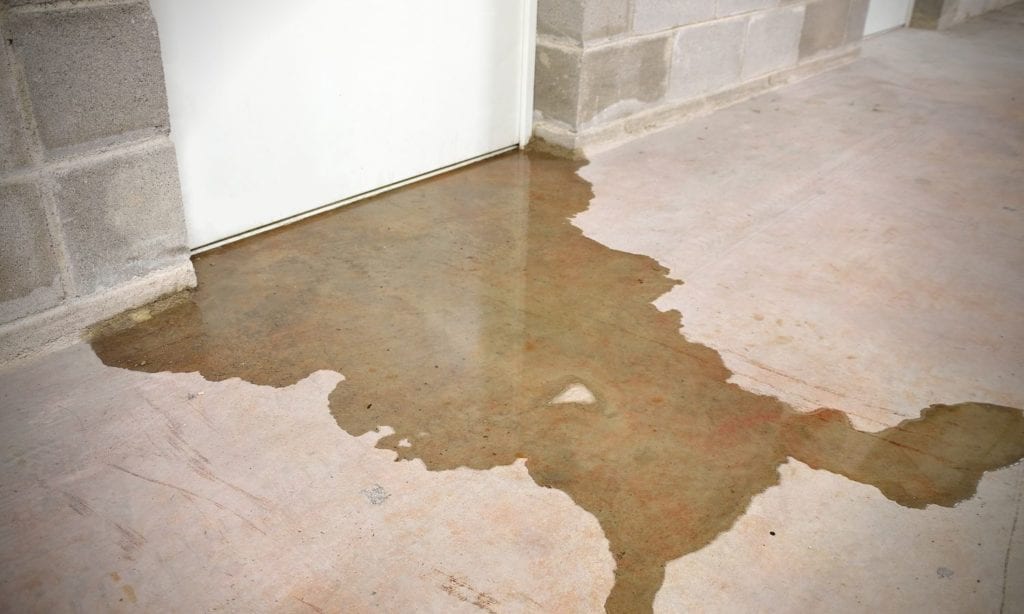
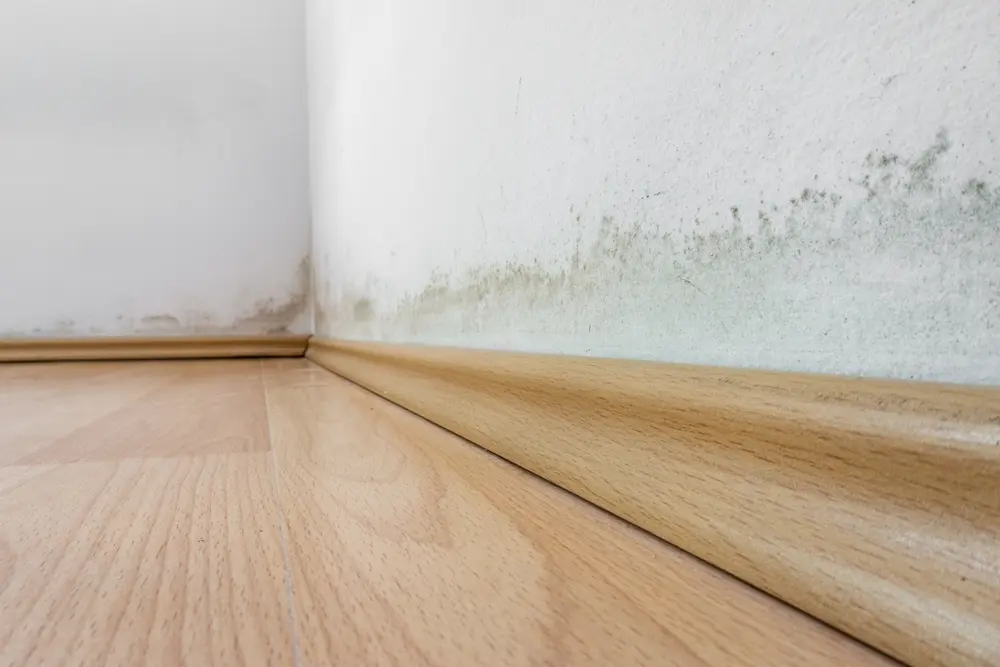
Even a small, slow drip can cause major headaches if left unchecked. Moisture hidden behind walls or under floors may not be visible until significant damage has occurred. Using specialized leak detection devices allows you to pinpoint problems early, reducing the risk of costly repairs and insurance claims.
According to expert advice on preventing water damage, regular inspections with the right equipment are a key part of responsible homeownership.
Types of Leak Detection Devices for Home Inspections
The market offers a variety of tools designed to identify water leaks in different parts of the home. Here are some of the most effective options for both DIY enthusiasts and professionals.
- Moisture meters: These handheld devices measure the moisture content in wood, drywall, and other materials. They’re ideal for finding hidden dampness behind surfaces.
- Thermal imaging cameras: By detecting temperature differences, these cameras can reveal cold spots caused by water intrusion, even when leaks are not visible to the naked eye.
- Acoustic leak detectors: These tools use sensitive microphones to pick up the sound of water escaping from pipes, making them useful for pinpointing leaks under floors or behind walls.
- Smart water sensors: Placed near appliances, toilets, or in basements, these sensors send alerts to your phone if they detect moisture, allowing for rapid response.
- Pipe inspection cameras: Small, flexible cameras that can be fed into pipes to visually inspect for cracks, blockages, or leaks.
Key Features to Look for in Leak Detection Tools
When evaluating the best home inspection tools for leaks, consider these important factors:
- Accuracy: Reliable readings are crucial for effective leak detection. Look for devices with proven performance and positive user reviews.
- Ease of use: Tools should be intuitive, with clear displays and straightforward operation, especially for homeowners without technical backgrounds.
- Connectivity: Many modern devices offer Bluetooth or Wi-Fi connectivity, enabling real-time alerts and data logging via smartphone apps.
- Durability: Inspection tools should withstand regular use and exposure to moisture-prone environments.
- Battery life: Long-lasting batteries or rechargeable options are preferable for uninterrupted inspections.
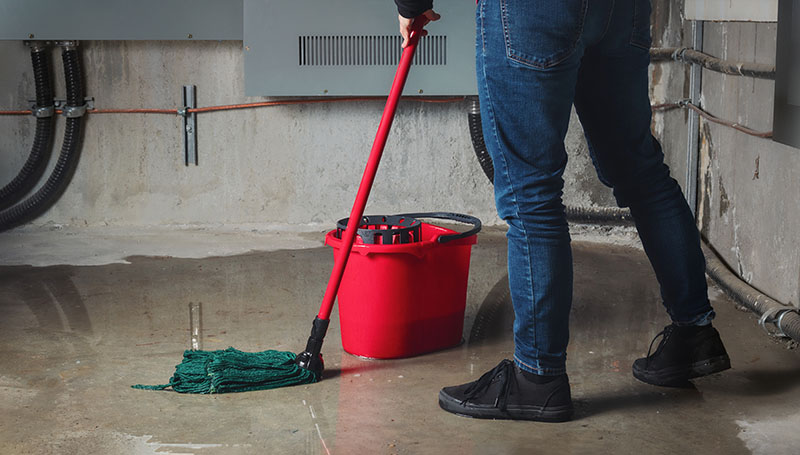
How to Use Leak Detection Equipment Effectively
Getting the most out of your inspection gear requires a systematic approach. Here are some practical steps:
- Start by visually inspecting common problem areas such as under sinks, around toilets, and near water heaters.
- Use a moisture meter to check walls, floors, and ceilings for hidden dampness, especially in basements and bathrooms.
- Deploy smart water sensors in areas prone to leaks, such as laundry rooms and near sump pumps.
- If you suspect a leak but can’t find the source, use a thermal imaging camera to scan for cold spots or an acoustic detector to listen for running water behind surfaces.
- For plumbing systems, consider using a pipe inspection camera to look inside pipes for cracks or blockages.
Top Picks: Leak Detection Tools for Homeowners and Inspectors
Here’s a closer look at some of the most popular and effective devices for finding leaks in residential settings:
- General moisture meters: Affordable and easy to use, these are a staple for anyone inspecting for water damage.
- FLIR thermal cameras: Widely used by professionals, these cameras provide detailed heat maps to reveal hidden moisture.
- Acoustic listening devices: Essential for detecting leaks in pressurized plumbing systems, especially in older homes.
- Smart leak detectors: Brands like Flo by Moen and LeakSmart offer sensors that integrate with home automation systems for instant alerts.
- Endoscope cameras: Useful for visual inspections inside pipes and behind walls without destructive testing.
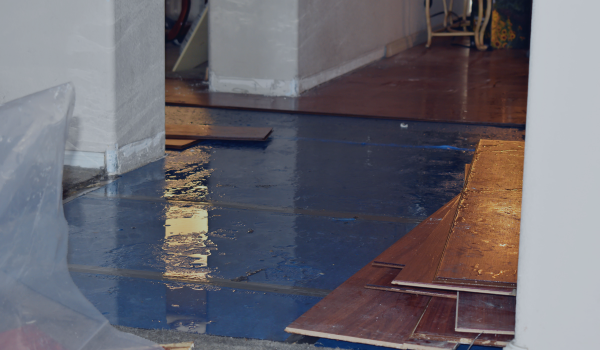
Tips for Preventing Water Damage at Home
While having the right inspection tools is vital, prevention is just as important. Here are some strategies to reduce your risk:
- Inspect plumbing fixtures and appliances regularly for signs of wear or corrosion.
- Install smart leak detectors in high-risk areas for early warning of issues.
- Maintain gutters and downspouts to direct water away from your foundation.
- Seal cracks in walls and floors to prevent seepage.
- Know where your main water shutoff valve is located and test it periodically.
For those interested in other home maintenance techniques, you might also want to explore how to store corn masa for pressing to keep your kitchen tools and ingredients in top condition.
Frequently Asked Questions
What are the most reliable tools for finding hidden water leaks?
The most dependable devices include moisture meters for measuring dampness in building materials, thermal imaging cameras for spotting temperature changes caused by moisture, and acoustic leak detectors that listen for water movement in pipes. Smart water sensors are also highly effective for continuous monitoring.
Can I use leak detection equipment myself, or do I need a professional?
Many modern leak detection tools are designed for homeowner use and come with easy-to-follow instructions. However, for complex plumbing systems or hard-to-find leaks, hiring a professional inspector with advanced equipment can provide more comprehensive results.
How often should I inspect my home for leaks?
It’s recommended to perform a thorough inspection at least once a year, and more frequently in older homes or after severe weather events. Installing smart sensors can provide ongoing protection by alerting you to leaks as soon as they occur.
Are smart leak detectors worth the investment?
Yes, smart leak detectors can save you money and stress by providing early warnings and even shutting off water automatically in some cases. They are especially useful in vacation homes or properties that are vacant for extended periods.
Investing in the right home inspection tools for leaks is a proactive step toward protecting your property and maintaining its value. With regular checks and the latest technology, you can minimize the risk of water damage and ensure peace of mind.