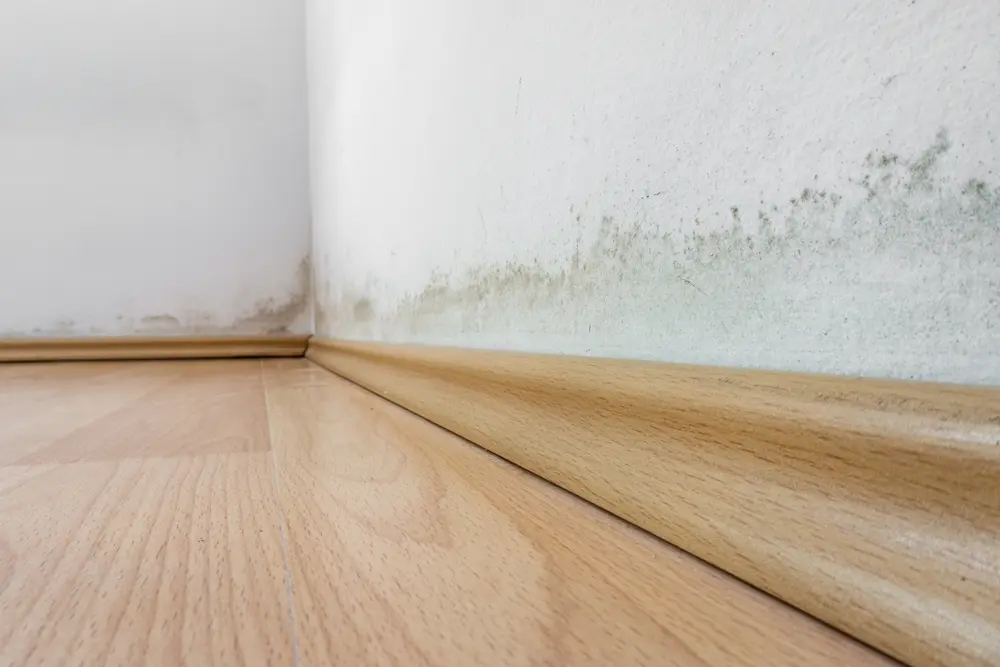
Water intrusion is a common headache for homeowners, and acting quickly can prevent minor leaks from turning into major, costly repairs. Whether it’s a dripping faucet, a damp basement corner, or water pooling under the sink, knowing some quick fixes for water leaks can help you protect your property and maintain a healthy living environment. This article covers practical steps for identifying, stopping, and managing leaks in various areas of your home, along with tips for prevention and when to seek professional help.
Before diving into solutions, it’s worth noting that regular maintenance and vigilance are key to avoiding water damage. If you’re interested in other practical home care topics, you might also find value in our guide on how to sanitize a cast iron press for kitchen safety.
Spotting Water Leaks Early
The first step in managing household leaks is early detection. Look for signs such as water stains on ceilings or walls, musty odors, peeling paint, or unexplained increases in your water bill. These indicators often point to hidden leaks that need immediate attention.
- Check under sinks for moisture or puddles.
- Inspect around toilets and tubs for soft flooring or discoloration.
- Monitor your water meter for unusual activity when no water is being used.
Early intervention is crucial. The longer water is allowed to seep, the greater the risk of mold growth and structural damage.
Essential Quick Fixes for Water Leaks in Common Areas
Once a leak is identified, immediate action can minimize damage. Here are some effective solutions for the most frequent trouble spots in the home.
Kitchen and Bathroom Sinks
- Tighten loose fittings: Use a wrench to secure any loose nuts under the sink.
- Replace worn washers: A dripping faucet often needs a new washer or O-ring.
- Seal with plumber’s tape: For minor leaks at threaded joints, wrap plumber’s tape around the threads before reassembling.
Toilets
- Check the flapper: If water runs into the bowl between flushes, replace the flapper valve inside the tank.
- Tighten tank bolts: Water pooling at the base may be due to loose bolts or a worn wax ring.
- Use leak detector tablets: These can help identify slow leaks from the tank to the bowl.
Showers and Bathtubs
- Re-caulk joints: Remove old caulk and apply a fresh, waterproof sealant around tub edges and fixtures.
- Replace faulty showerheads: If tightening doesn’t stop the drip, a new washer or showerhead may be needed.
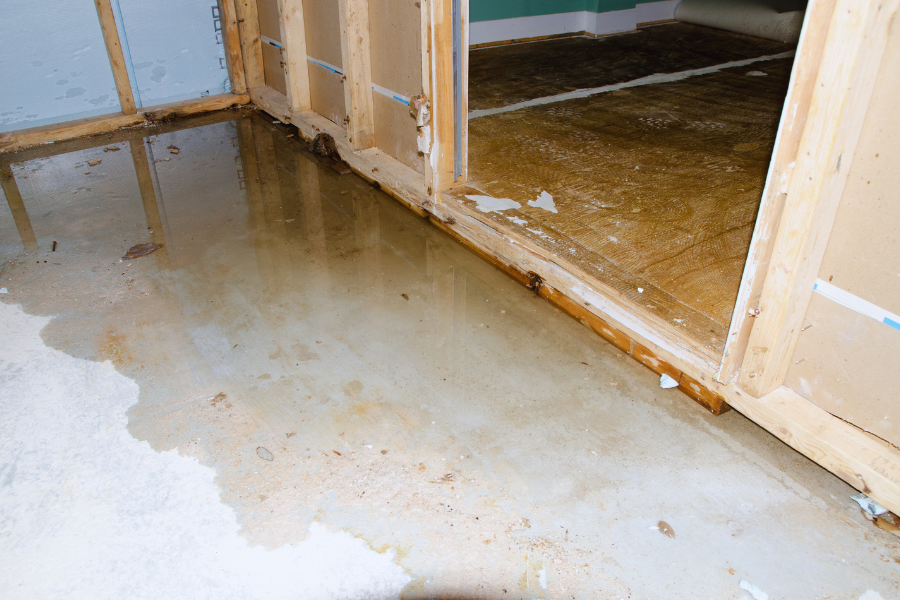
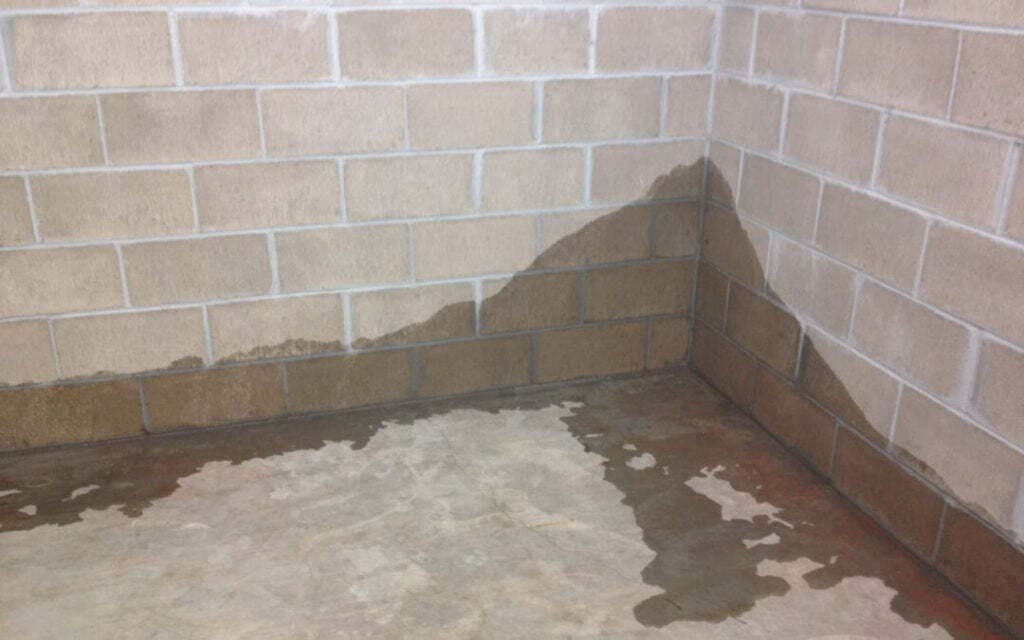
Basement and Foundation Leak Solutions
Water in the basement or along the foundation can lead to serious structural issues. Here are some quick fixes for water leaks in these areas:
- Seal cracks: Use hydraulic cement or epoxy to patch visible cracks in walls or floors.
- Redirect downspouts: Ensure gutters and downspouts carry water at least six feet away from the foundation.
- Install a sump pump: For persistent moisture, a sump pump can help keep your basement dry.
- Apply waterproof coatings: Paint basement walls with a waterproofing sealant to block minor seepage.
Temporary Pipe Repairs
When a pipe springs a leak, a fast response can prevent water from spreading. Here are some immediate actions to take:
- Shut off the water supply: Locate the nearest shutoff valve and turn it off to stop the flow.
- Apply pipe repair tape: Wrap leak-proof tape tightly around the damaged area as a temporary measure.
- Use a pipe clamp: For larger leaks, a pipe clamp or rubber patch secured with hose clamps can hold until a plumber arrives.
These solutions are temporary. For a lasting fix, replace damaged sections of pipe or consult a professional.
Preventing Future Water Leaks
Prevention is always better than cure. Regularly inspect plumbing fixtures, appliances, and exposed pipes for signs of wear or corrosion. Install water leak detectors to get instant alerts if moisture is detected in vulnerable areas.
For more comprehensive strategies, consider reviewing tips for protecting your home’s interior from water damage to further reduce your risk.
- Replace old hoses on washing machines and dishwashers every five years.
- Insulate pipes to prevent freezing and bursting in winter.
- Test your sump pump annually to ensure it’s working properly.
When to Call a Professional
While many minor leaks can be managed with DIY solutions, certain situations require expert intervention:
- Recurring leaks that return after repairs
- Major pipe bursts or flooding
- Signs of mold or structural damage
- Leaks inside walls or ceilings that are difficult to access
Don’t hesitate to contact a licensed plumber if you’re unsure about the severity of a leak or if your quick fix doesn’t hold.
FAQ About Water Leak Solutions
What is the fastest way to stop a leaking pipe?
The quickest method is to shut off the water supply and use pipe repair tape or a clamp to temporarily seal the leak. This buys time until a permanent repair can be made.
Can I use household items to fix a small leak?
For minor drips, items like plumber’s tape, rubber patches, or even a tightly wrapped cloth can help contain the leak temporarily. However, these are not long-term solutions and should be followed up with proper repairs.
How do I know if a leak is causing mold?
Watch for musty odors, visible mold spots, or persistent dampness in affected areas. If you suspect mold, address the moisture source immediately and consider professional remediation if the problem is extensive.
Are water leak detectors worth installing?
Yes, leak detectors can provide early warnings and help prevent significant water damage, especially in basements, laundry rooms, and under sinks.
Conclusion
Addressing leaks promptly with these quick fixes for water leaks can save you time, money, and stress. Regular inspections, simple repairs, and preventive measures go a long way in keeping your home dry and damage-free. For more household maintenance tips, explore related topics like how to store corn masa for pressing to keep your kitchen running smoothly.