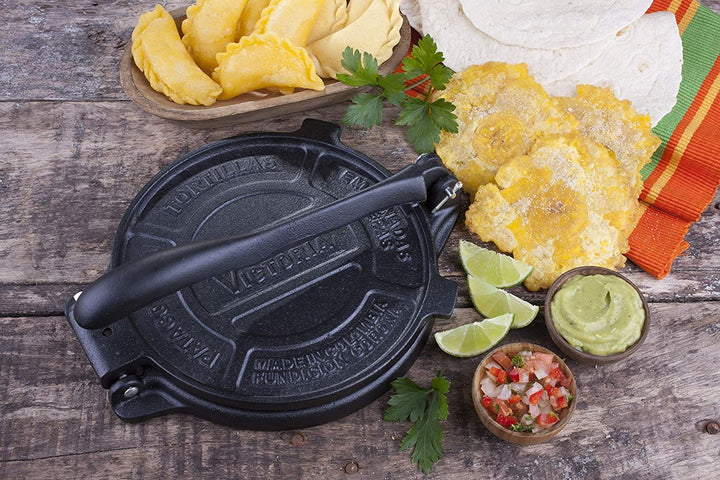
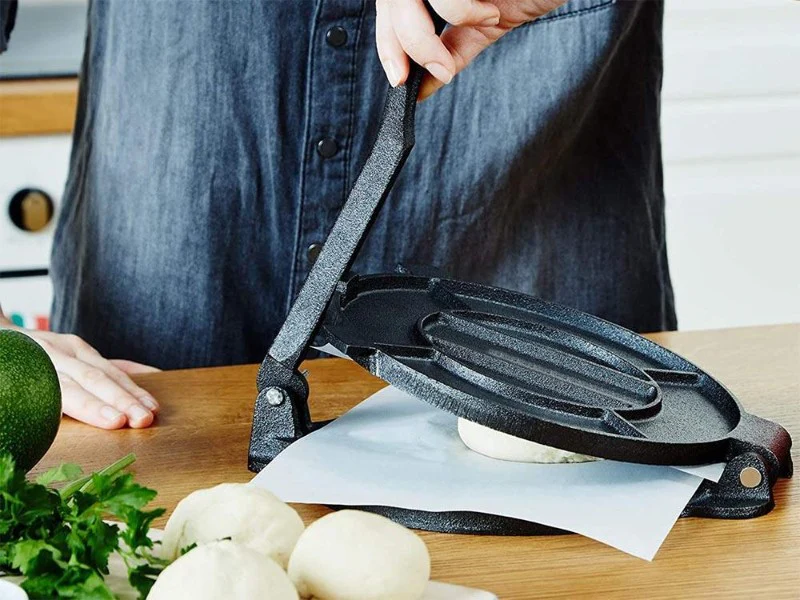
Cast iron cookware and tools are valued for their durability and heat retention, but even the toughest cast iron can develop cracks over time. Regularly inspecting your cast iron for damage is essential to ensure both safety and performance. Whether you use a tortilla press, skillet, or other cast iron item, knowing how to check for cracks in cast iron can help you extend the life of your equipment and avoid potential hazards in the kitchen or workshop.
This guide covers practical inspection techniques, safety precautions, and what to do if you discover a crack. If you’re interested in related topics, you might also find our article on how to press tortillas for chilaquiles helpful for getting the most from your cast iron tortilla press.
Why Inspecting Cast Iron Matters
Cracks in cast iron can compromise the structural integrity of your cookware or tools. Even a small fissure can grow over time, leading to breakage or even injury if the item fails during use. For cookware, cracks may also harbor bacteria or cause leaks, making them unsafe for food preparation. Routine checks help you catch problems early, so you can repair or replace damaged items before they become a risk.
Common Causes of Cracks in Cast Iron
Understanding what leads to cracks can help you prevent them. Some frequent causes include:
- Thermal shock: Sudden changes in temperature, such as placing hot cast iron in cold water, can cause the metal to expand or contract rapidly, resulting in cracks.
- Physical impact: Dropping or banging cast iron against hard surfaces can create fractures.
- Manufacturing defects: Rarely, flaws from the casting process may go unnoticed until the item is used extensively.
- Over-tightening: For items like tortilla presses, overtightening bolts or screws can put stress on the cast iron, leading to cracks.
Visual Inspection: The First Step
The simplest way to start is with a careful visual check. Here’s how to perform a basic inspection:
- Wash and dry the cast iron thoroughly to remove food residue and oil, which can hide surface defects.
- Hold the item under bright, even lighting. Natural sunlight or a strong LED flashlight works well.
- Examine all surfaces, paying close attention to corners, handles, and areas around screws or joints.
- Look for lines, hairline fractures, or discoloration that might indicate a crack.

Physical and Sound Testing Techniques
Sometimes, cracks are too fine to see with the naked eye. In these cases, additional methods can help:
Tapping Test
Gently tap the cast iron with a wooden spoon or a non-metallic object. Listen for the sound it makes:
- A clear, ringing tone usually means the cast iron is intact.
- A dull or “thudding” sound can indicate a crack or internal flaw.
Be careful not to strike too hard, as this could cause damage.
Water or Oil Penetration Test
For cookware, you can use water or a light oil to help reveal hidden cracks:
- Pour a small amount of water or oil onto the surface and observe if it seeps into any lines or fissures.
- If liquid disappears into a line, it may be a crack rather than a surface scratch.
Using Dye Penetrant for Detailed Inspection
For a more thorough check, especially on valuable or heavily used items, a dye penetrant test can be effective. This method is often used in metalworking and involves applying a colored dye to the surface, wiping it off, and then applying a developer that draws the dye out of any cracks, making them visible. While not always necessary for home use, it’s a reliable way to spot hidden damage.
Safety Precautions When Inspecting Cast Iron
When performing any inspection, keep safety in mind:
- Wear gloves to protect your hands from sharp edges or residue.
- Ensure the item is cool and dry before handling.
- Work in a well-lit area to avoid missing small cracks.
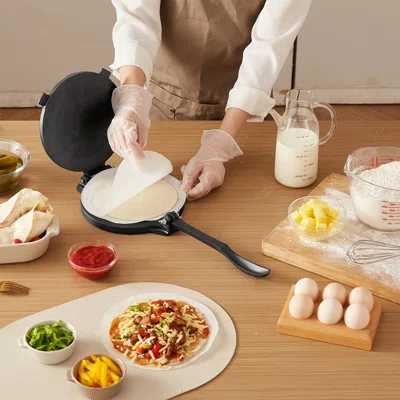
For tortilla presses and similar tools, check all moving parts and hinges for signs of stress or cracking. If you’re interested in more ways to use your press, see our guide on how to use a tortilla press for wraps.
What to Do If You Find a Crack
If you discover a crack, assess its size and location:
- Small, surface-level cracks in non-critical areas may not affect performance immediately, but keep monitoring them for growth.
- Cracks in handles, hinges, or load-bearing areas can be dangerous. Discontinue use and consider repair or replacement.
- For cookware, any crack that goes through the wall or base can cause leaks or contamination and should be addressed promptly.
Some minor cracks can be repaired by professional welding or brazing, but this is best left to experts. For most home cooks and DIYers, replacing the item is the safest option.
Preventing Future Damage
Proper care can help you avoid cracks in the future:
- Always let cast iron cool gradually before washing.
- Avoid dropping or banging your cookware or tools.
- Do not overtighten bolts or screws on presses and similar devices.
- Season cookware regularly to maintain a protective layer.
For more tips on using and maintaining cast iron tortilla presses, check out this comprehensive guide to using a tortilla press.
Related Uses and Further Reading
Cast iron presses are versatile tools. If you want to explore more ways to use them, see our articles on how to press tortillas for burritos for achieving larger sizes, or learn about specialty uses like making gyoza wrappers and prepping tart shells with your press.
Frequently Asked Questions
How often should I inspect my cast iron cookware or tools?
It’s a good idea to check your cast iron for cracks every few months if you use it regularly. For items used less frequently, inspect them before each use, especially if they’ve been stored for a long time or exposed to temperature changes.
Can I still use cast iron with a small crack?
Minor, surface-level cracks in non-critical areas may not immediately affect function, but they can worsen over time. For cookware, any crack that could allow food or liquid to seep through is a sign to stop using it. For presses or tools, cracks in load-bearing areas are a safety risk and should not be ignored.
Is it possible to repair cracked cast iron at home?
While some minor cracks can be repaired by skilled professionals using welding or brazing, most home repairs are not recommended. Improper repair can weaken the structure further. When in doubt, consult a professional or consider replacing the item for safety.