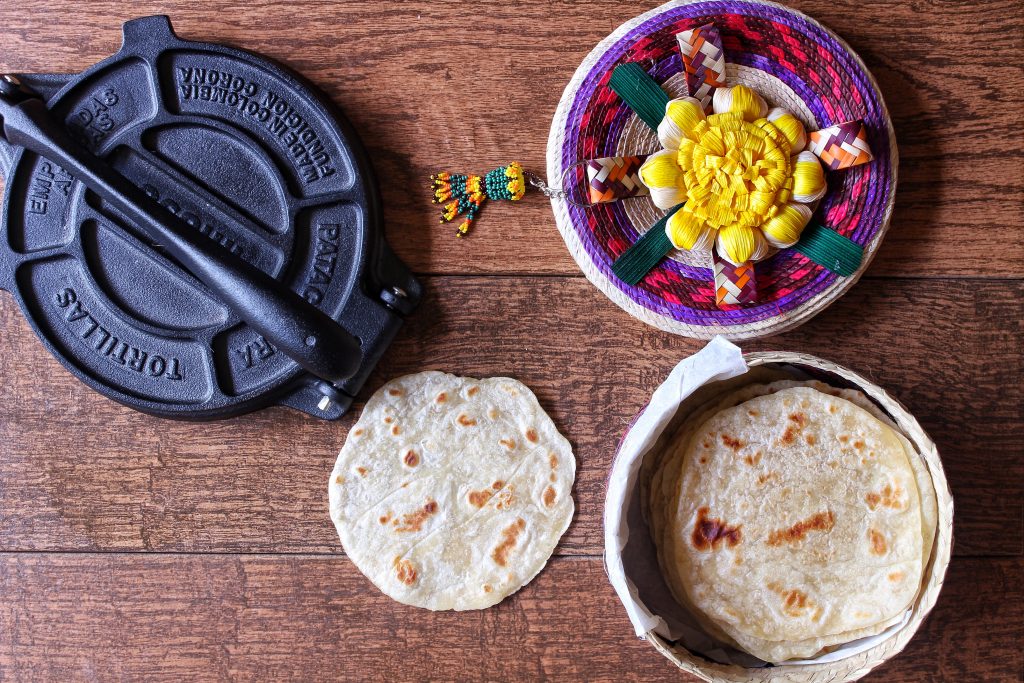
Perfectly thin, pliable tortillas are the foundation of delicious taquitos. Achieving the right texture and flexibility can be challenging, especially if you’re new to using a tortilla press or want to avoid cracking and tearing. This guide offers practical advice for making tortillas that roll easily and fry up crisp, with a focus on the best techniques and tools for the job.
Whether you’re working with corn or flour dough, learning how to press tortillas for taquitos will help you create authentic, restaurant-quality results at home. We’ll cover essential equipment, dough preparation, pressing steps, and troubleshooting tips. If you’re interested in other tortilla press uses, you might also find value in our article on how to press tortillas for burritos for achieving larger sizes.
Choosing the Right Tortilla Press and Tools
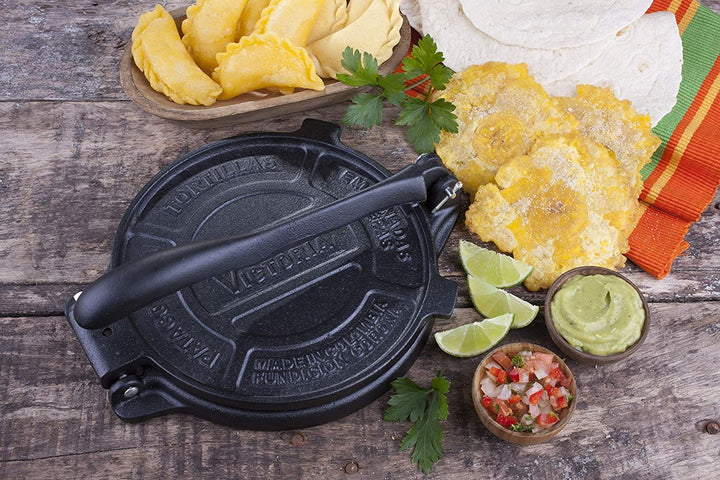
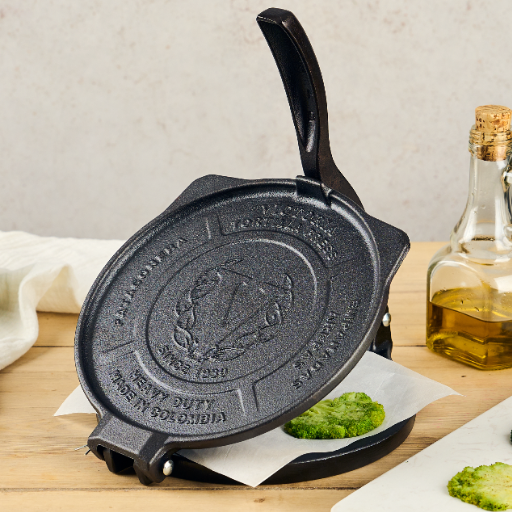
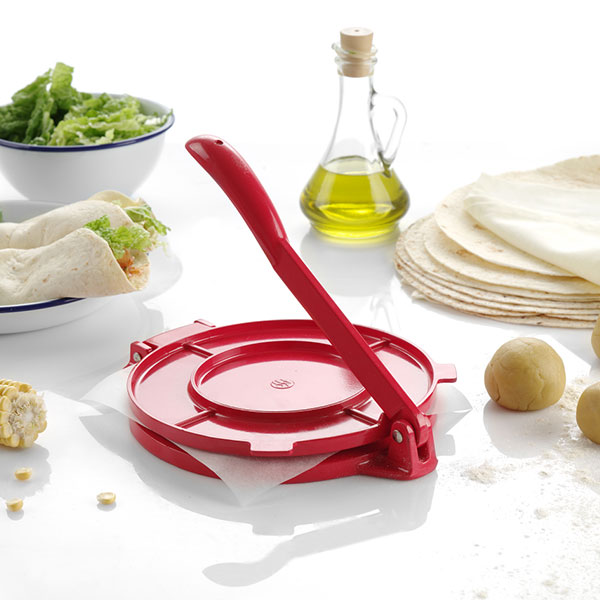
For taquitos, a tortilla press is the most efficient tool for achieving thin, even rounds. Both cast iron and heavy-duty aluminum presses work well, but cast iron offers more consistent pressure and durability. If you’re new to tortilla making, consider starting with an 8-inch tortilla press—it’s the ideal size for most taquito recipes.
Other helpful items include:
- Two sheets of food-safe plastic (cut from a zip-top bag or parchment paper) to prevent sticking
- A rolling pin for extra-thin tortillas (optional)
- A nonstick or cast iron skillet for cooking
For more on press maintenance and care, see this tortilla press care guide with cleaning and seasoning tips.
Preparing Dough for Flexible, Thin Tortillas
The dough’s hydration and texture are crucial for tortillas that won’t crack when rolled. For corn tortillas, use masa harina and warm water; for flour tortillas, combine all-purpose flour, a bit of fat (lard, shortening, or oil), salt, and warm water. The dough should be soft and slightly tacky, but not sticky.
- Corn dough: Mix until it forms a smooth ball that doesn’t crumble. Let it rest, covered, for at least 20 minutes to fully hydrate the masa.
- Flour dough: Knead until smooth and elastic. Rest for 30 minutes to relax the gluten, which helps with stretching and flexibility.
Divide the dough into small balls, about 1 ounce (28 grams) each, for taquito-sized rounds. Keep them covered to prevent drying out.
Step-by-Step: Pressing Tortillas for Taquitos
Follow these steps for best results when pressing tortillas for taquitos:
- Place one sheet of plastic or parchment on the bottom plate of the press.
- Set a dough ball in the center. Cover with the second sheet.
- Close the press and apply firm, even pressure. For taquitos, aim for a diameter of 4–5 inches and a thickness of about 1/16 inch (very thin).
- If needed, rotate the tortilla 90 degrees and press again for evenness.
- Carefully peel off the top plastic. If the tortilla sticks, the dough may need a touch more water.
- Transfer the tortilla (with bottom plastic) to your hand, then gently remove the plastic and place it onto a hot skillet.
For extra-thin tortillas, gently roll with a rolling pin after pressing. This step is optional but can help achieve the delicate texture needed for easy rolling and frying.
Cooking and Storing Pressed Tortillas
Cook each pressed tortilla on a hot, dry skillet for about 30–45 seconds per side. The surface should develop light brown spots but remain soft and flexible. Stack cooked tortillas in a clean kitchen towel or tortilla warmer to keep them moist and pliable.
If you plan to make taquitos later, let the tortillas cool, then store them wrapped in a towel inside a sealed bag. Reheat briefly before filling and rolling to restore their flexibility.
Troubleshooting Common Issues
- Tortillas crack when rolling: The dough may be too dry, or the tortillas may have cooled and dried out. Add a bit more water to the dough, and keep cooked tortillas covered.
- Tortillas stick to the press: Use fresh sheets of plastic or parchment, and ensure the dough isn’t too wet.
- Tortillas are too thick: Press more firmly, or use a rolling pin after pressing to achieve the desired thinness.
- Tortillas tear during transfer: Let the dough rest longer for better elasticity, and handle gently when peeling off the plastic.
Tips for Consistently Thin and Flexible Tortillas
- Rest the dough to allow for full hydration and gluten relaxation.
- Keep dough balls and cooked tortillas covered to prevent drying.
- Press each tortilla just before cooking for maximum flexibility.
- Experiment with dough hydration—slightly wetter doughs yield softer, more pliable tortillas.
- Use a tortilla warmer or towel to keep cooked rounds soft until ready to roll.
For more inspiration on using your tortilla press for different recipes, check out our guide on how to press tortillas for chilaquiles for best prep methods.
Related Techniques and Further Reading
If you’re interested in expanding your tortilla-making skills, you might also explore:
- How to use a tortilla press for fry bread for quick prep tips
- How to use a tortilla press for wraps for sandwich bread hacks
- How to check for cracks in cast iron to ensure your cookware is safe and effective
Frequently Asked Questions
What is the best dough hydration for taquito tortillas?
For corn tortillas, use about 1 to 1.25 cups of warm water per 2 cups of masa harina. For flour tortillas, start with 2/3 cup of warm water per 2 cups of flour, adjusting as needed. The dough should be soft and slightly tacky for flexibility.
Can I use store-bought tortillas for taquitos?
While store-bought tortillas can work, homemade pressed tortillas offer superior flexibility and flavor. If using packaged tortillas, warm them in a damp towel to soften before rolling.
How do I keep tortillas from drying out before rolling taquitos?
Stack cooked tortillas in a towel or tortilla warmer immediately after cooking. Keep them covered until you’re ready to fill and roll, and reheat briefly if needed to restore pliability.