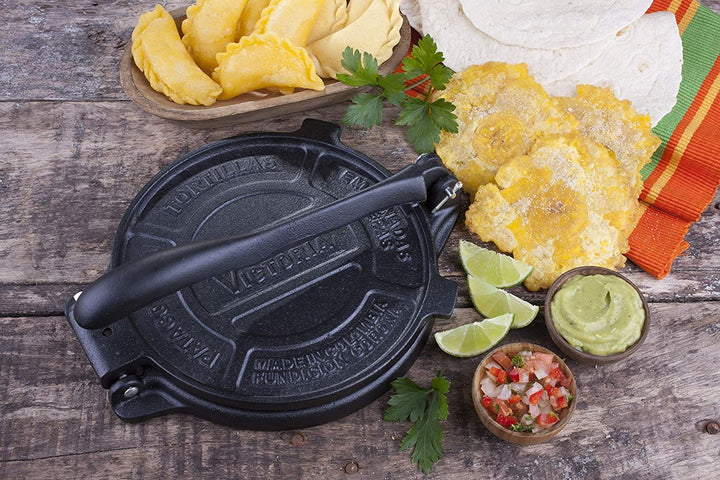
Properly preserving your cast iron press for extended periods is essential to prevent rust and maintain its performance. Whether you use your press for tortillas, fry bread, or other recipes, neglecting long-term care can lead to corrosion and reduced lifespan. This guide covers the best techniques for rust prevention and safe storage, so your press is always ready for use.
Before diving into the step-by-step process, it’s important to understand why cast iron is prone to rust and how a few simple habits can make a big difference. If you’re interested in related maintenance topics, check out our detailed advice on how to check for cracks in cast iron to ensure your cookware remains safe and effective.
Why Cast Iron Needs Special Care for Long-Term Storage
Cast iron is valued for its durability and even heat distribution, but its porous surface makes it susceptible to moisture and oxidation. When left exposed, even a small amount of water or humidity can trigger rust. This is especially true if the press is stored in a kitchen, basement, or garage where temperature and humidity fluctuate.
To avoid rust and deterioration, it’s crucial to follow a routine that includes thorough cleaning, drying, and oiling before putting your press away for weeks or months. These steps not only protect the surface but also help maintain the seasoning that gives cast iron its non-stick qualities.
Step-by-Step Guide to Storing Your Cast Iron Press for the Long Haul
1. Clean the Press Thoroughly
Start by removing any food residue or oil build-up. Use warm water and a non-abrasive brush or sponge. Avoid soap if possible, as it can strip away the seasoning. For stubborn bits, a paste of coarse salt and water can help scrub the surface clean.
Once clean, rinse the press with warm water and immediately dry it with a clean towel. Never let cast iron air dry, as this can leave behind moisture that leads to rust.
2. Inspect for Damage or Rust
Before storing, check your press for any signs of rust or cracks. If you spot rust, gently scrub it away with steel wool or a stiff brush. For more guidance, our resource on how to check for cracks in cast iron offers practical inspection tips.
3. Apply a Protective Oil Layer
After drying, apply a thin, even layer of food-safe oil (such as flaxseed, canola, or vegetable oil) to all surfaces. This layer acts as a barrier against moisture and air, preventing oxidation. Use a paper towel to buff away excess oil, leaving only a light sheen.
For best results, heat the press in an oven at 350°F (175°C) for about an hour. This helps the oil bond to the metal, reinforcing the seasoning and rust resistance. Let the press cool completely before moving to the next step.
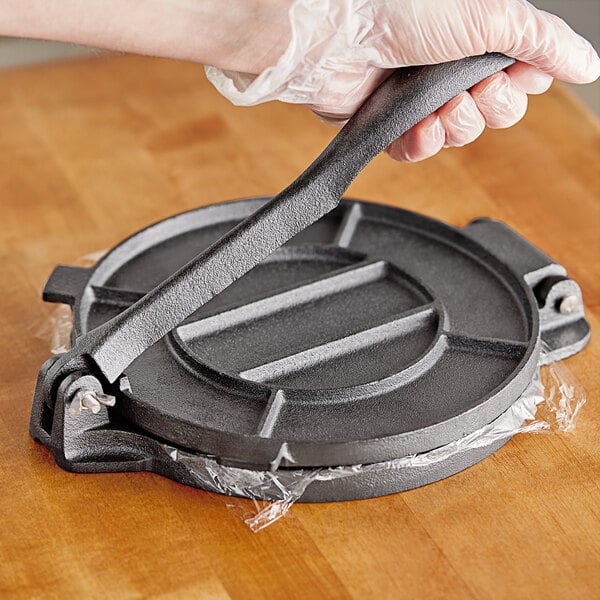
4. Choose the Right Storage Location
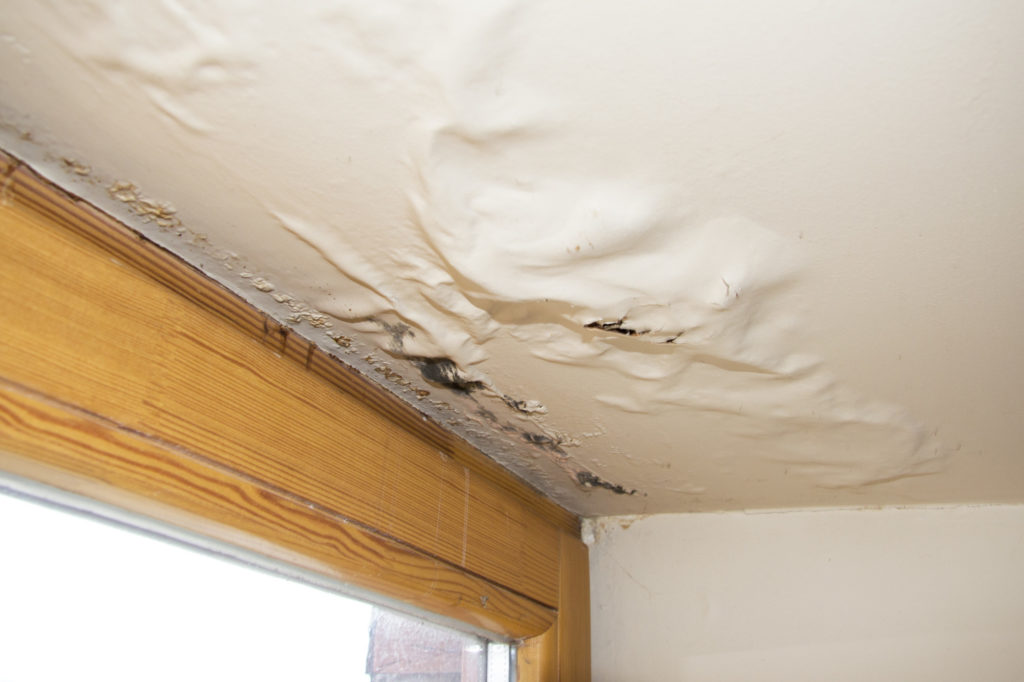
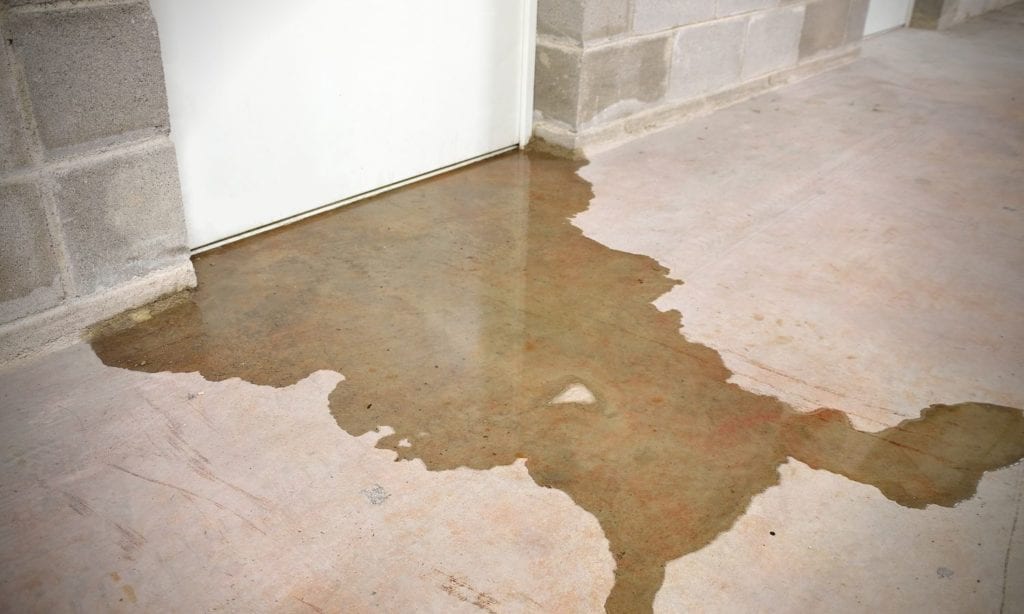
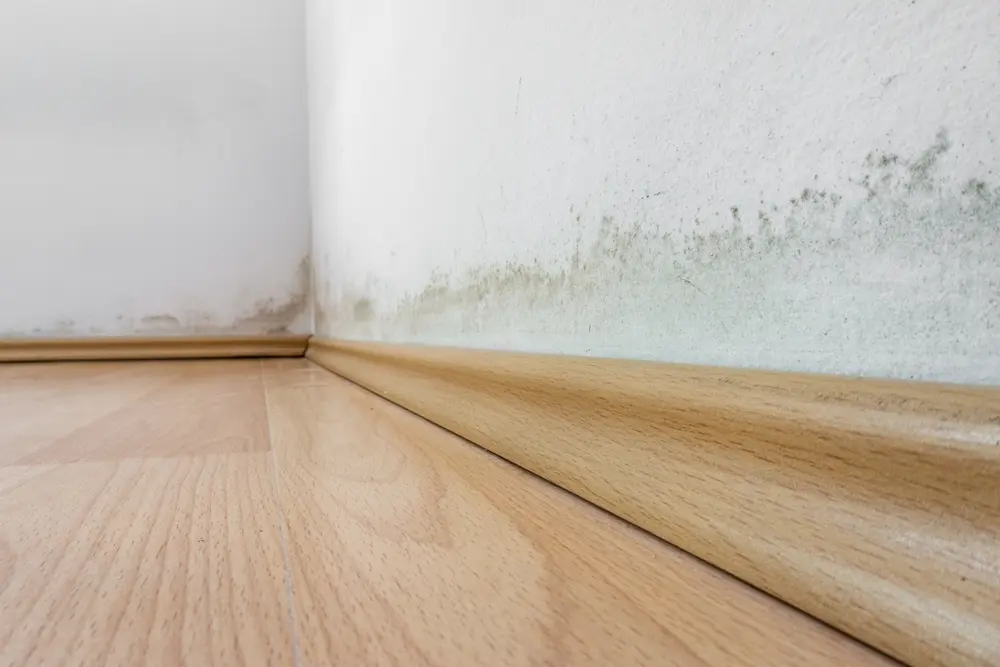
Store your cast iron press in a dry, well-ventilated area. Avoid places with high humidity, such as under the sink or in a damp basement. If possible, keep the press off the floor and away from exterior walls where condensation may form.
For extra protection, wrap the press in a clean, dry cloth or place it in a paper bag. This helps absorb any residual moisture and shields the surface from dust and debris. Avoid using plastic bags, as they can trap humidity and promote rust.
5. Check Periodically During Storage
Even with careful preparation, it’s wise to inspect your press every few months. Look for signs of rust or moisture. If you notice any, repeat the cleaning and oiling process before returning the press to storage.
Additional Tips for Rust Prevention
- Never store cast iron while damp. Always ensure it is completely dry before putting it away.
- Consider using silica gel packets or moisture absorbers in your storage area to reduce humidity.
- If you live in a humid climate, check your press more frequently for early signs of rust.
- Re-season your press at least once a year, even if it’s not in regular use.
Common Mistakes to Avoid When Storing Cast Iron
Many people unintentionally shorten the life of their press by making avoidable errors. Here are some pitfalls to watch out for:
- Skipping the oiling step after cleaning, which leaves the surface vulnerable to moisture.
- Storing the press while it’s still warm, which can create condensation inside a closed container or bag.
- Using plastic wrap or airtight containers that trap humidity.
- Leaving food residue on the press, which can attract pests and promote corrosion.
Restoring a Rusty Cast Iron Press
If you discover rust on your press after storage, don’t panic. Most surface rust can be removed with a little effort. Scrub the affected area with steel wool or a stiff brush, wash and dry thoroughly, then re-season the press. For more in-depth restoration techniques, refer to this guide to restoring and seasoning rusty cast iron.
Related Uses and Maintenance Resources
Caring for your press goes hand-in-hand with learning new ways to use it. If you’re looking for inspiration or want to expand your skills, you might find these resources helpful:
- Discover how to use a tortilla press for fry bread for creative recipes and prep tips.
- Learn about pressing tortillas for chilaquiles and other traditional dishes.
- Explore techniques for making larger tortillas for burritos or using a press for wraps.
Frequently Asked Questions
How often should I re-season my cast iron press if it’s not in use?
For long-term storage, re-seasoning once a year is usually sufficient. However, if you live in a humid environment or notice any dullness or rust, it’s best to repeat the oiling and heating process more frequently.
Can I store my cast iron press in a plastic bag?
It’s not recommended. Plastic bags can trap moisture, which increases the risk of rust. Instead, wrap your press in a dry cloth or place it in a paper bag to allow airflow and absorb any residual moisture.
What type of oil is best for protecting cast iron during storage?
Food-safe oils with a high smoke point, such as flaxseed, canola, or vegetable oil, are ideal. Avoid animal fats, as they can go rancid over time. Always apply a thin, even layer and remove any excess before storing.