
Flooding can strike unexpectedly, causing significant damage to homes and personal belongings. Whether you live in a flood-prone area or simply want to be prepared for severe weather, understanding effective home flood protection tips is essential for minimizing risk and safeguarding your property. Taking proactive steps can help prevent costly repairs, reduce stress, and keep your family safe during extreme weather events.
This guide covers practical strategies for protecting your home from water damage, from simple maintenance to advanced solutions. By following these recommendations, you can strengthen your property’s defenses and gain peace of mind, no matter what the forecast brings.

For those interested in other practical home solutions, you might also want to explore how to store a cast iron press long term for rust protection and longevity.
Why Flood Preparedness Matters for Every Homeowner
Flooding is one of the most common and costly natural disasters. Even homes outside designated flood zones are at risk due to heavy rainfall, melting snow, or plumbing failures. The aftermath of a flood can include structural damage, ruined possessions, and potential health hazards from mold and bacteria. By implementing flood protection strategies, you can reduce the likelihood of water entering your home and limit the impact if it does occur.
Insurance may cover some losses, but prevention is always more effective and less disruptive. A combination of physical barriers, routine maintenance, and smart technology can make a significant difference in how your home weathers a storm.
Essential Home Flood Protection Tips for Prevention
Taking action before a flood is forecasted is the most effective way to protect your property. Here are some proven methods to help keep water out and minimize potential damage:
- Seal Foundation Cracks: Inspect your basement and foundation for any cracks or gaps. Use waterproof sealant to close these openings and prevent water seepage.
- Install Sump Pumps: A sump pump in your basement can quickly remove water that enters, reducing the risk of flooding. Consider a battery backup system to ensure operation during power outages.
- Maintain Gutters and Downspouts: Clean gutters regularly to prevent blockages. Ensure downspouts direct water at least six feet away from your home’s foundation.
- Grade Your Yard: The ground around your house should slope away from the foundation. This helps channel rainwater away and reduces pooling near your walls.
- Use Flood Barriers: Sandbags, water-activated barriers, and other temporary solutions can help block water from entering doors and low windows during heavy rain.
- Install Backflow Valves: These devices prevent sewage from backing up into your home through drains during flooding events.

Smart Technology and Early Warning Solutions
Modern technology offers new ways to detect leaks and prevent water damage before it becomes severe. Installing water leak detectors in high-risk areas such as basements, laundry rooms, and under sinks can provide early warnings. These devices sound an alarm or send alerts to your phone when moisture is detected, allowing you to act quickly.
Some smart home systems can even shut off your water supply automatically if a leak is detected, further reducing the risk of major flooding. Investing in these solutions is a proactive step for anyone looking to enhance their home’s protection.
Protecting Valuables and Important Documents
While structural measures are crucial, it’s also important to safeguard your most valuable possessions. Store important documents, photographs, and irreplaceable items in waterproof containers or on elevated shelves. Consider using a safe that is both waterproof and fire-resistant for added security.
Digital backups of documents and photos can also provide peace of mind in case physical copies are damaged. Regularly update your inventory of valuables and keep records in a secure, accessible location.
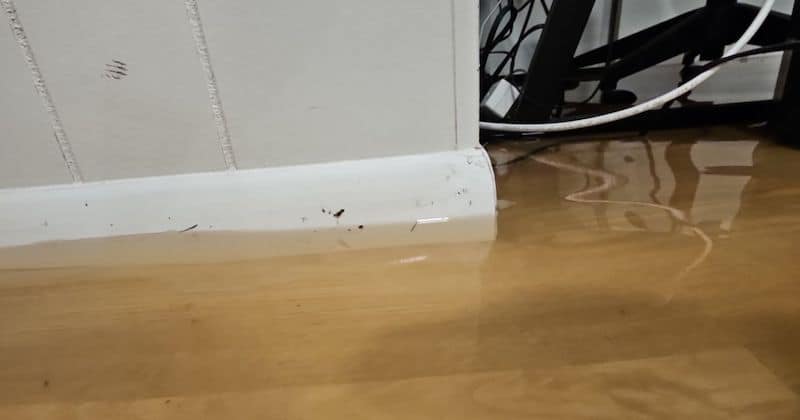
What to Do When Flooding Is Imminent
If severe weather is forecasted or a flood warning is issued, take immediate action to minimize potential damage. Move furniture and electronics to higher ground, unplug appliances, and shut off utilities if instructed by authorities. Place sandbags or other barriers at entry points, and ensure your sump pump is working properly.
Stay informed by monitoring local news and weather alerts. Follow evacuation orders if given, and never attempt to drive or walk through floodwaters. Your safety and that of your family should always be the top priority.
For more detailed guidance on preparing for severe weather, consult resources such as the official flood preparedness checklist from Floodinfo.ie.
Maintaining Your Home After a Flood
Once floodwaters recede, it’s crucial to act quickly to minimize long-term damage. Begin by documenting all damage with photos and contacting your insurance provider. Remove standing water using pumps or wet vacuums, and dry out affected areas with fans and dehumidifiers.
Discard items that cannot be thoroughly cleaned and disinfected, especially if they have been soaked for more than 48 hours. Watch for signs of mold growth, and consider hiring professionals for extensive cleanup or repairs. Regular maintenance and prompt action can help your home recover faster and reduce the risk of future problems.
Frequently Asked Questions
What are the most effective ways to prevent basement flooding?
Key strategies include installing a sump pump with a battery backup, sealing foundation cracks, maintaining gutters and downspouts, and grading your yard to direct water away from the foundation. Using water leak detectors and backflow valves can also help prevent water intrusion.
How can I protect important documents from flood damage?
Store documents in waterproof containers or safes placed on elevated shelves. Consider making digital copies of essential paperwork and storing them securely online or on external drives for added protection.
Are sandbags effective for flood protection?
Sandbags can be a useful temporary barrier to block water from entering doors and low windows during heavy rain or rising water. However, they should be used in combination with other flood prevention measures for the best results.
Should I invest in smart water leak detectors?
Yes, smart leak detectors provide early warnings of leaks or flooding, allowing you to take action before significant damage occurs. Some systems can even shut off your water supply automatically, offering an extra layer of protection.
Conclusion
Protecting your home from flooding requires a combination of preparation, technology, and ongoing maintenance. By following these home flood protection tips, you can reduce the risk of water damage, safeguard your valuables, and ensure your family’s safety. Stay proactive, keep informed about local risks, and consider investing in smart solutions for added peace of mind.




