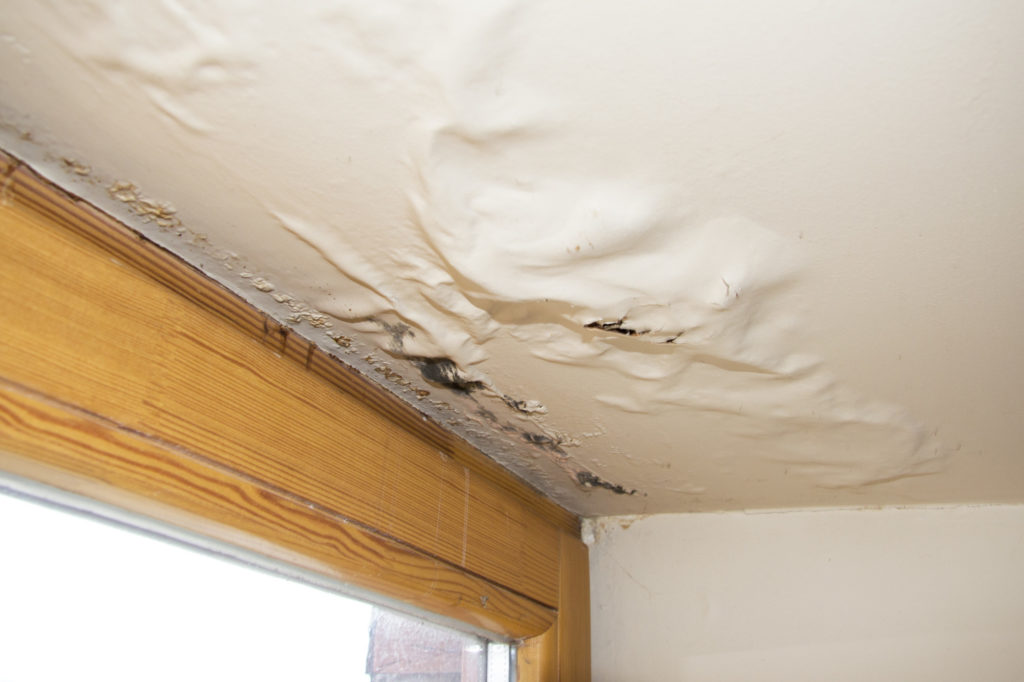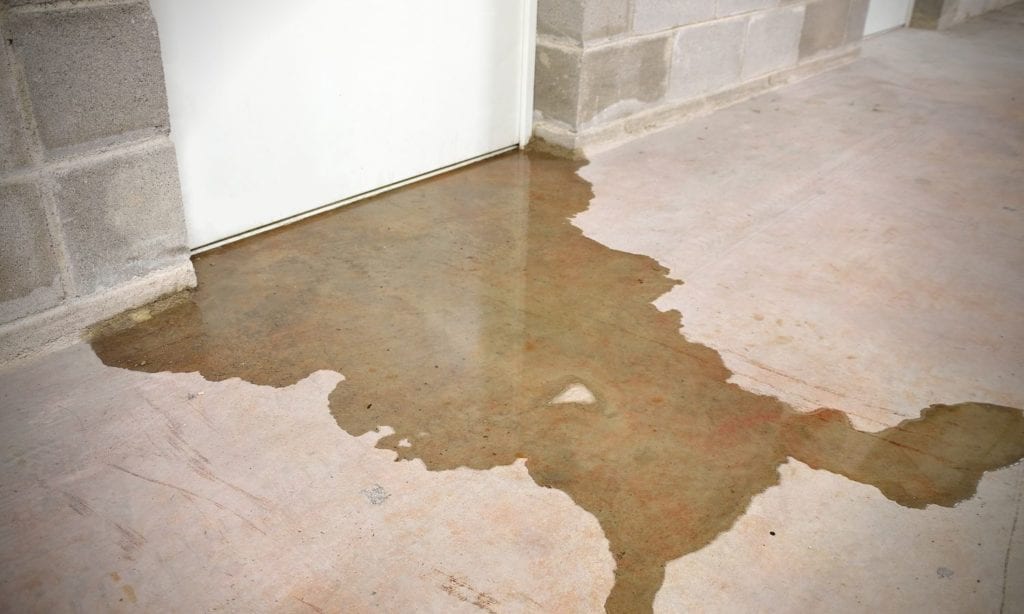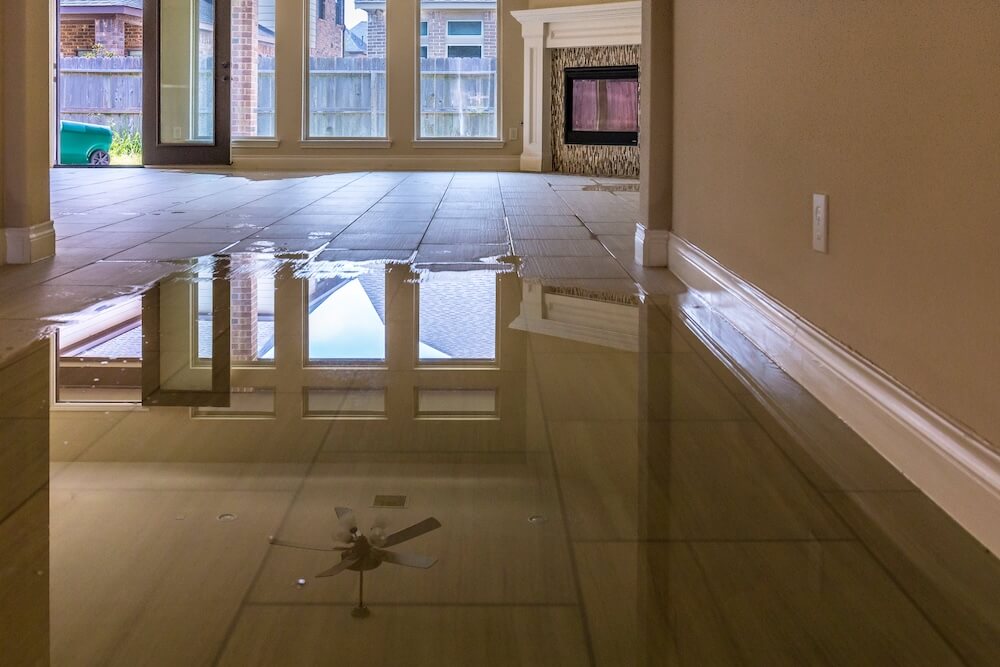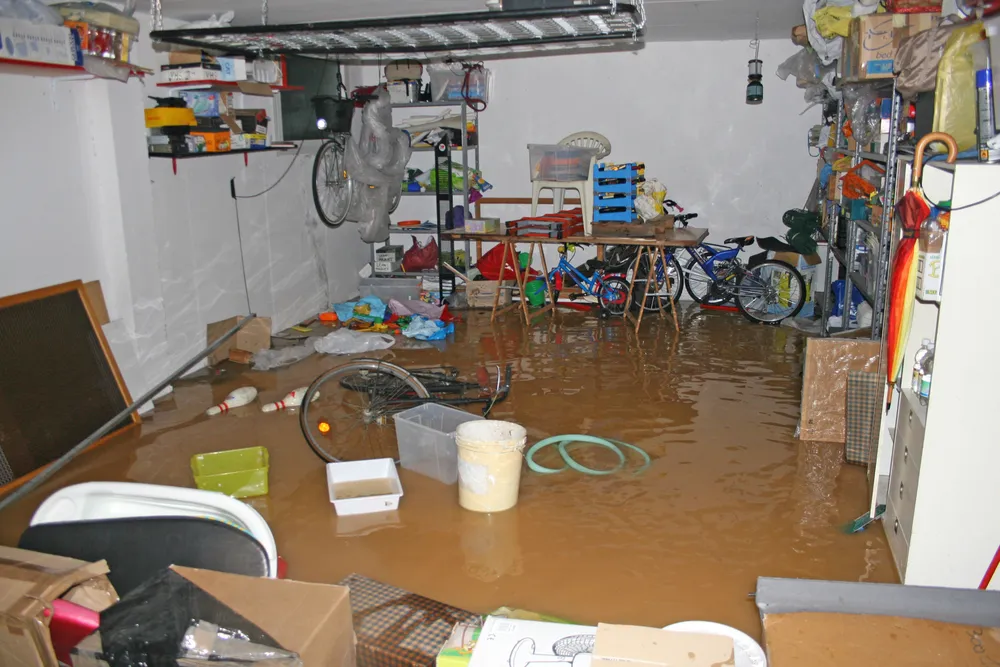
Flooding can cause significant damage to homes and businesses, leading to costly repairs and long-term issues. Implementing a consistent annual flood prevention maintenance routine is essential for safeguarding your property and minimizing risks. By proactively addressing potential vulnerabilities, you can reduce the likelihood of water intrusion and protect your investment year-round.
Whether you live in a flood-prone area or simply want to be prepared for unexpected weather events, this guide covers practical steps to help you stay ahead of water damage. Early action is key, and regular upkeep can make a substantial difference when heavy rains or storms hit.
For those interested in related home maintenance tips, you may also find value in learning how to store a cast iron press long term to prevent rust and prolong the life of your kitchen tools.
Why Regular Flood Prevention Checks Matter
Many property owners underestimate the importance of routine inspections and maintenance. Over time, small issues like clogged gutters or minor cracks in the foundation can develop into major problems during a heavy downpour. By scheduling annual flood prevention maintenance, you can catch these concerns early and take corrective action before water finds its way inside.
Consistent upkeep also helps maintain property value, lowers insurance premiums, and ensures a safer living environment. Local regulations may even require certain preventive measures, especially in high-risk zones.
Essential Exterior Maintenance Tasks
Protecting your property from flooding starts with the exterior. Addressing drainage, landscaping, and structural vulnerabilities can significantly reduce the risk of water intrusion. Here are some key steps to include in your yearly checklist:
- Inspect and Clean Gutters and Downspouts: Remove leaves, debris, and sediment to ensure water flows freely away from the foundation. Make sure downspouts extend at least six feet from the building.
- Check Grading and Drainage: The ground around your home should slope away from the foundation. Fill in low spots and regrade soil as needed to direct water away from the structure.
- Seal Foundation Cracks: Examine the foundation for any cracks or gaps. Use appropriate sealants to prevent water seepage.
- Maintain Sump Pumps: Test your sump pump annually to ensure it is working properly. Consider installing a battery backup in case of power outages during storms.
- Clear Storm Drains: If you have storm drains on your property, remove any obstructions to prevent backups during heavy rainfall.
Interior Flood Protection Strategies
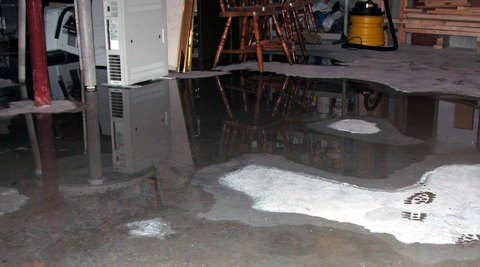
While exterior maintenance is crucial, the inside of your property also requires attention. Incorporating flood prevention maintenance into your annual routine can help you spot potential issues before they escalate:
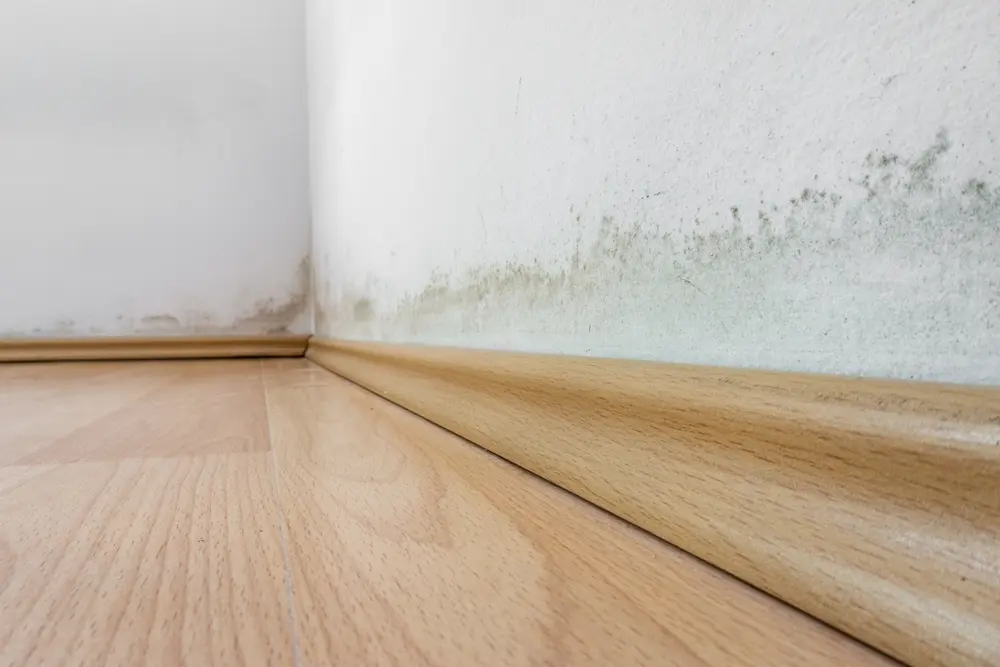
- Inspect Basement and Crawl Spaces: Look for signs of moisture, mold, or standing water. Address leaks promptly and consider using a dehumidifier in damp areas.
- Seal Windows and Doors: Check weatherstripping and caulking around all openings. Replace worn materials to prevent water from seeping in during storms.
- Install Water Leak Detectors: Place sensors near water heaters, washing machines, and sump pumps to receive early warnings of leaks or flooding.
- Elevate Appliances and Electrical Systems: In flood-prone basements, raise appliances and electrical outlets above expected water levels to minimize damage.
- Review Plumbing Systems: Inspect pipes for corrosion, leaks, or blockages. Schedule professional maintenance as needed to keep your system in top shape.
Landscaping and Yard Considerations
Thoughtful landscaping can play a significant role in flood mitigation. By making strategic choices, you can help direct water away from your home and reduce pooling:
- Plant Native Vegetation: Deep-rooted plants help absorb excess water and stabilize soil, reducing erosion and runoff.
- Install Rain Gardens: These shallow, planted depressions capture and filter stormwater, allowing it to soak into the ground gradually.
- Use Permeable Surfaces: Replace concrete or asphalt with gravel, pavers, or permeable tiles to encourage water absorption rather than runoff.
- Maintain Swales and Trenches: Keep these features clear of debris to ensure they channel water away from structures effectively.

Advanced Flood Prevention Upgrades
For properties at higher risk or those seeking extra peace of mind, consider investing in additional protective measures as part of your annual flood prevention maintenance plan:
- Install Backwater Valves: These devices prevent sewage from backing up into your home during heavy rains.
- Add Flood Barriers and Shields: Temporary or permanent barriers can be placed around doors and windows to block incoming water.
- Upgrade to Smart Monitoring Systems: Modern technology allows for real-time monitoring of moisture levels and instant alerts if water is detected.
- Waterproof Basements: Professional waterproofing services can add an extra layer of defense, especially in older homes.
For a comprehensive overview of mitigation strategies, consult this flood mitigation guide for homeowners that covers both basic and advanced techniques.
Annual Flood Prevention Maintenance Checklist
Staying organized is easier with a clear checklist. Use the following as a starting point for your yearly review:
- Clean gutters and downspouts
- Inspect and seal foundation cracks
- Test sump pump and backup systems
- Check grading and landscaping for proper drainage
- Seal windows, doors, and other openings
- Inspect basement and crawl spaces for moisture
- Install or test water leak detectors
- Review and maintain plumbing and appliances
- Maintain storm drains and swales
- Consider advanced upgrades if needed
Frequently Asked Questions
How often should I perform flood prevention maintenance?
It is recommended to conduct a thorough review of your property at least once a year, ideally before the rainy season begins. However, after major storms or significant weather events, a quick inspection can help catch any new issues early.
What are the most common causes of residential flooding?
Typical causes include clogged gutters, poor yard grading, foundation cracks, faulty sump pumps, and plumbing failures. Addressing these areas through regular maintenance can greatly reduce your risk.
Are there affordable ways to improve flood protection?
Yes, many preventive steps are low-cost or even free, such as cleaning gutters, sealing small cracks, and installing basic water leak detectors. More advanced upgrades, like backwater valves or professional waterproofing, may require a larger investment but offer added security.
Conclusion
Taking the time for annual flood prevention maintenance is a smart investment in your property’s safety and longevity. By following the steps outlined in this guide, you can minimize the risk of water damage and be better prepared for whatever the weather brings. Remember, prevention is always more cost-effective than repair, and a little effort now can save you significant stress and expense down the road.