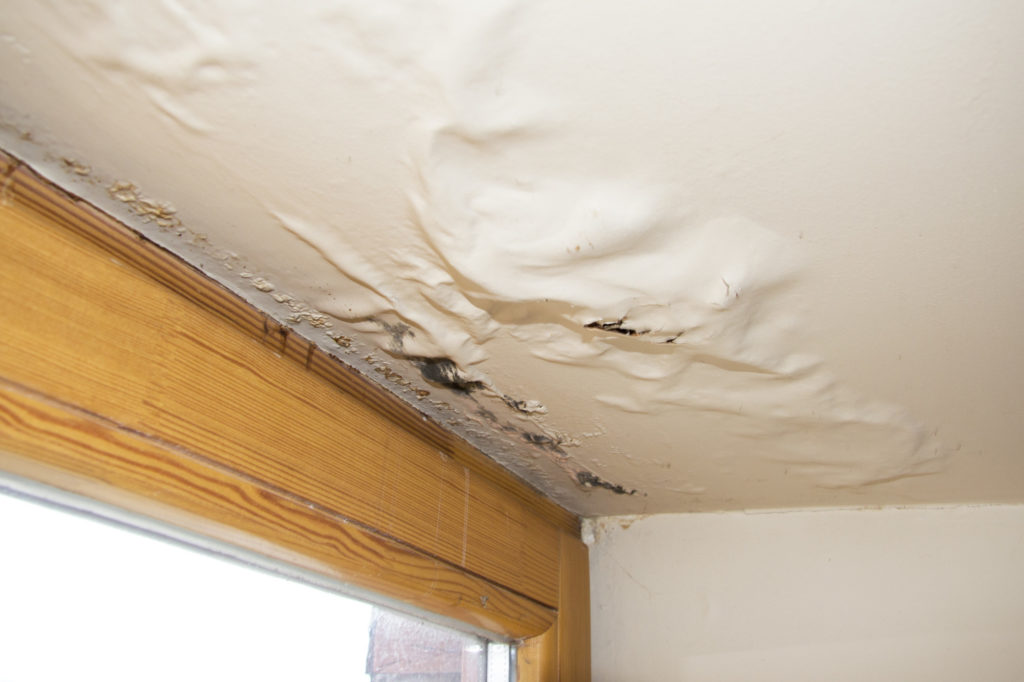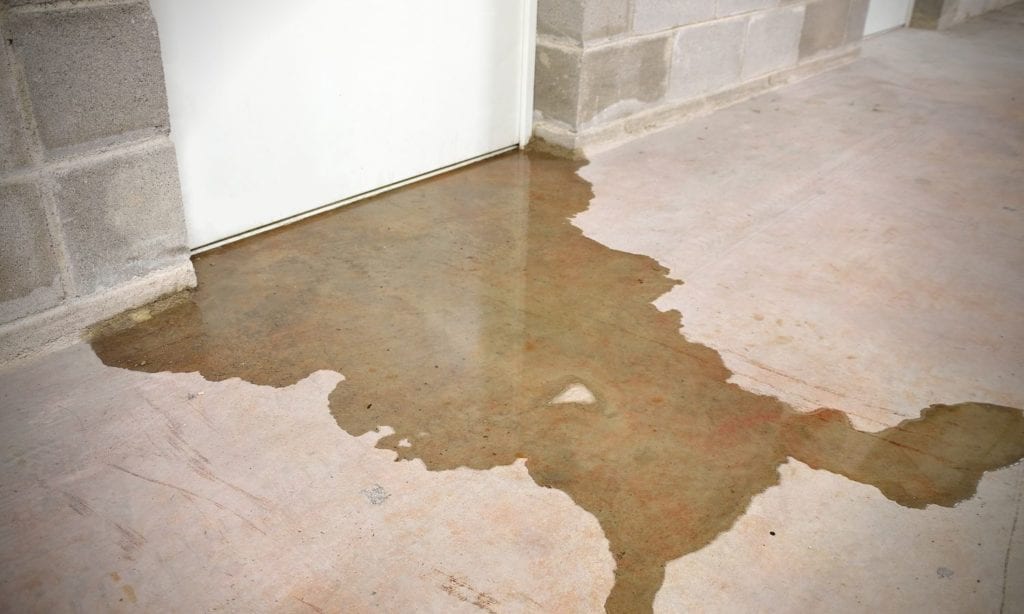
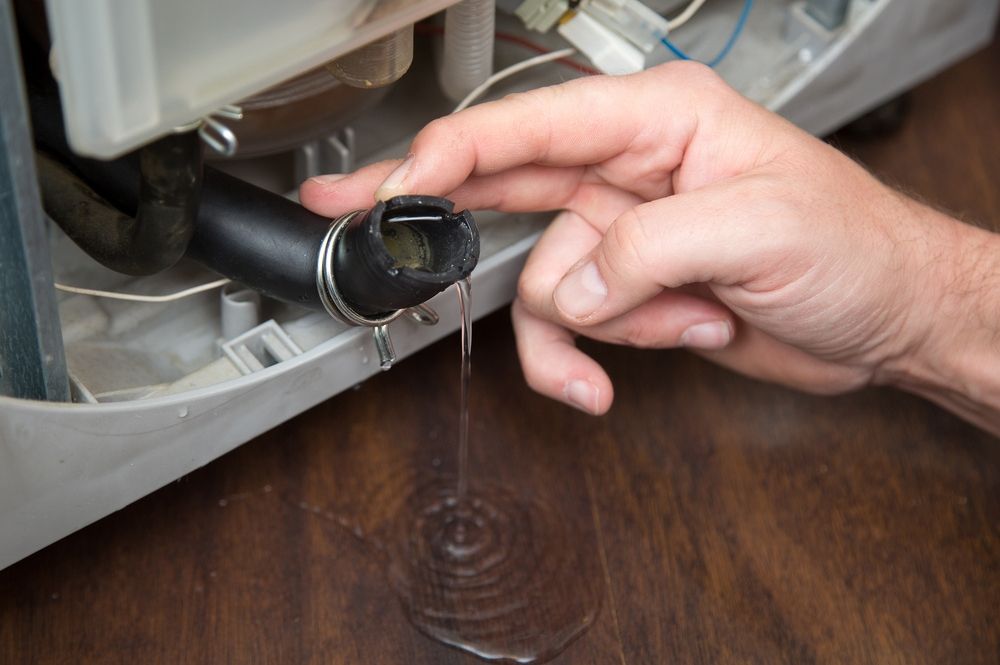
Water damage is one of the most common and costly issues homeowners face. From burst pipes to leaking appliances, even a small leak can lead to significant repairs, mold growth, and property loss. Fortunately, advances in the Internet of Things (IoT) are transforming how we protect our homes from these risks. By leveraging smart sensors, real-time alerts, and automated shutoff systems, IoT technology is making it easier than ever to detect and prevent water-related disasters before they escalate.
Understanding how IoT helps prevent water damage is crucial for anyone looking to safeguard their property and minimize unexpected expenses. In this article, we’ll explore the key ways connected devices are changing home protection, the benefits they offer, and practical steps for integrating these solutions into your living space.
For those interested in related technology topics, you might also enjoy our guide on how to press tortillas for gorditas de azucar, which explores innovative uses of kitchen tools.
Understanding IoT and Its Role in Home Water Protection
The Internet of Things refers to a network of physical devices—such as sensors, meters, and appliances—connected to the internet and capable of exchanging data. In the context of home water safety, IoT devices are designed to monitor plumbing systems, detect leaks, and respond automatically to potential threats.
Key components of a smart water protection system include:
- Leak detection sensors placed near pipes, appliances, and fixtures
- Smart water meters that track usage patterns and anomalies
- Automated shutoff valves that can stop water flow remotely or automatically
- Mobile apps and dashboards for real-time monitoring and alerts
By integrating these elements, homeowners gain a proactive defense against water damage, reducing the risk of costly repairs and insurance claims.
How Connected Sensors Detect Leaks Early
One of the most effective ways IoT prevents water damage is through early leak detection. Smart sensors are typically installed in high-risk areas such as under sinks, behind toilets, near water heaters, and in basements. These devices continuously monitor for moisture, unusual humidity, or the presence of water where it shouldn’t be.
When a sensor detects a leak or abnormal moisture, it instantly sends an alert to the homeowner’s smartphone or central hub. Some advanced systems can also trigger alarms or notify a monitoring service. This rapid notification allows for immediate action, often before significant damage occurs.

Automated Shutoff Valves: Stopping Leaks Before They Spread
While early detection is essential, automated shutoff valves take protection a step further. These IoT-enabled devices are installed on the main water supply line. When a connected sensor identifies a leak, the valve can automatically close, stopping the flow of water and preventing further damage.
This automation is especially valuable when leaks occur while homeowners are away or asleep. By cutting off water at the source, these systems can save thousands of dollars in repairs and help avoid the stress of dealing with extensive property loss.
Many shutoff valves can also be controlled manually via smartphone apps, giving users flexibility and peace of mind wherever they are.
Real-Time Alerts and Remote Monitoring
Another advantage of using IoT for water protection is the ability to receive real-time alerts and monitor your home’s plumbing remotely. Most smart water systems integrate with mobile apps, allowing homeowners to:
- Receive instant notifications about leaks or unusual water usage
- Check the status of sensors and valves from anywhere
- Review historical data to identify patterns or recurring issues
- Share access with family members or property managers
This level of visibility empowers users to take swift action, whether it’s calling a plumber, shutting off water remotely, or addressing minor issues before they escalate.

Benefits of Using IoT for Water Damage Prevention
Adopting smart water protection offers several advantages over traditional methods:
- Proactive risk management: Detect and address leaks before they cause major harm.
- Cost savings: Reduce repair bills, insurance claims, and lost valuables.
- Peace of mind: Monitor your home from anywhere and receive timely alerts.
- Insurance benefits: Some insurers offer discounts for homes equipped with leak detection systems.
- Environmental impact: Prevent unnecessary water waste and support sustainability.
For more tips on protecting your property, see this comprehensive guide to safeguarding your home from water damage.
Choosing and Installing Smart Water Devices
Selecting the right IoT solution depends on your home’s layout, plumbing system, and budget. Here are some steps to get started:
- Identify high-risk areas—such as basements, bathrooms, kitchens, and laundry rooms—where leaks are most likely to occur.
- Research available sensors, meters, and shutoff valves that are compatible with your home’s plumbing and Wi-Fi network.
- Consider professional installation for mainline shutoff valves to ensure proper setup and integration.
- Download the corresponding mobile app and set up custom alerts and monitoring preferences.
- Test your system regularly to confirm that sensors and valves are working as intended.
Many modern devices are designed for DIY installation, but consulting a plumber can help optimize placement and maximize protection.
Integrating IoT with Other Smart Home Systems
Smart water protection can be even more effective when integrated with other home automation platforms. Many IoT devices are compatible with voice assistants, security systems, and energy management tools, allowing for a unified approach to home safety.
For example, you can program routines where leak detection triggers security cameras or sends notifications to multiple family members. This interconnected approach ensures that no warning goes unnoticed and that you can respond quickly to any emergency.
Common Causes of Water Damage and How IoT Addresses Them
Understanding the typical sources of leaks and flooding helps highlight the value of connected technology:
- Burst pipes: Sensors detect sudden water flow and trigger shutoff valves.
- Appliance malfunctions: Leak detectors placed near washing machines, dishwashers, and water heaters provide early warnings.
- Toilet overflows: Specialized sensors can identify leaks or running water in toilets, helping prevent costly bathroom damage.
- Foundation seepage: Moisture sensors in basements alert homeowners to rising water levels or humidity.
By addressing these risks with IoT solutions, homeowners can significantly reduce the likelihood of extensive property loss.
FAQ: Smart Water Protection and IoT
What types of leaks can IoT devices detect?
IoT sensors can identify a wide range of leaks, including slow drips, sudden bursts, appliance failures, and even humidity changes that indicate hidden moisture. Placement in strategic locations ensures comprehensive coverage throughout the home.
Are smart water protection systems difficult to install?
Many leak detectors and sensors are designed for easy DIY installation, requiring only batteries and Wi-Fi setup. However, mainline shutoff valves may require professional installation to ensure proper integration with your plumbing.
Can IoT water protection systems help lower insurance premiums?
Some insurance companies offer discounts or incentives for homes equipped with certified leak detection and shutoff systems. Check with your provider to see if installing these devices can reduce your premiums or deductible.
By embracing connected technology, homeowners can take a proactive approach to water safety, minimize costly repairs, and enjoy greater peace of mind. As IoT continues to evolve, these solutions will only become more accessible and effective in protecting our homes from water-related risks.