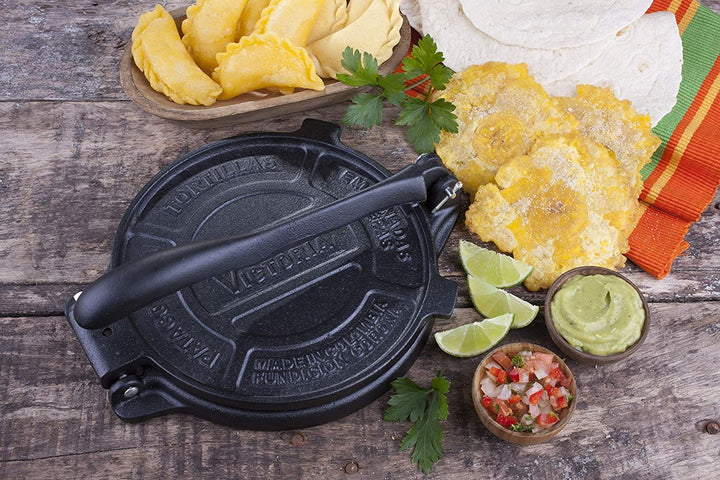
Achieving soft, pliable, and evenly shaped tortillas starts long before the dough meets the press. One of the most overlooked factors in tortilla making is the optimal dough temperature for pressing. Whether you’re using a traditional cast iron press or a modern alternative, temperature directly impacts dough texture, pressability, and the final result on the griddle.
Understanding how warmth or coolness affects masa or flour dough can help you avoid common pitfalls like cracking edges, sticking, or uneven thickness. This guide explores the science and best practices behind getting your dough to the right temperature for effortless pressing and delicious tortillas every time.
If you’re interested in related techniques, you might find the how to press tortillas for chilaquiles guide helpful, especially for specialty dishes that require precise tortilla prep.
Why Temperature Matters When Pressing Tortilla Dough
The temperature of your dough isn’t just a minor detail—it’s a critical factor that determines how easily the dough presses and how well it cooks. When dough is too cold, it tends to be stiff and may crack at the edges under pressure. On the other hand, dough that is too warm can become sticky, making it difficult to release from the press or parchment paper.
For both corn masa and wheat flour doughs, the sweet spot is typically between 72°F and 78°F (22°C–26°C). At this range, the dough is soft, elastic, and easy to shape. This temperature also helps the dough hold moisture, resulting in tortillas that are tender and flexible after cooking.
Finding the Sweet Spot: Best Temperature Range for Pressing
Through years of tradition and experimentation, tortilla makers have identified a practical temperature window for pressing. Keeping the dough within this range ensures consistent results:
- 72°F–78°F (22°C–26°C): Ideal for both corn and flour doughs. Dough is pliable, not sticky, and presses smoothly.
- Below 70°F (21°C): Dough becomes firmer, more likely to crack or resist pressing.
- Above 80°F (27°C): Dough may become sticky, harder to handle, and more prone to sticking to the press or liners.
Using a quick-read thermometer is the most reliable way to check your dough’s temperature. If you don’t have one, touch can be a guide: the dough should feel cool but not cold, and it should yield easily when pressed between your fingers.
How to Achieve and Maintain the Right Dough Temperature
Getting your dough to the right temperature is straightforward with a few simple steps:
- Use Warm Water: When mixing masa harina or flour, use water that’s slightly warm to the touch (about 100°F/38°C). This helps bring the dough up to the desired pressing temperature.
- Rest the Dough: After mixing, let the dough rest, covered, for 15–30 minutes. This allows the temperature to stabilize and the flour to fully hydrate.
- Adjust for Room Conditions: If your kitchen is cold, let the dough rest a bit longer or near a warm spot. In hot climates, use cooler water and avoid letting the dough sit out too long.
- Check Consistency: If the dough feels too cold and stiff, knead it briefly with warm hands. If it’s too warm or sticky, let it rest uncovered for a few minutes or add a touch more flour or masa harina.
Proper storage also plays a role. For tips on keeping your masa fresh and ready for pressing, see how to store corn masa for pressing.
Common Problems When Pressing at the Wrong Temperature
Even experienced cooks can run into trouble if the dough isn’t at the right temperature. Here are some typical issues and how temperature plays a role:
- Cracking Edges: Usually a sign of dough that’s too cold or dry. Allow it to warm slightly and add a splash of water if needed.
- Sticking to the Press: Overly warm or wet dough can cling to the press or liners. Cool the dough briefly or dust with a little extra flour or masa.
- Uneven Thickness: Dough that’s not at the ideal temperature may not press evenly, resulting in thick and thin spots.
Maintaining the optimal dough temperature for pressing helps prevent these issues and ensures each tortilla is uniform and easy to handle.
Tips for Consistent Results with Your Tortilla Press
Consistency is key for homemade tortillas, and temperature control is a big part of that. Here are some practical tips:
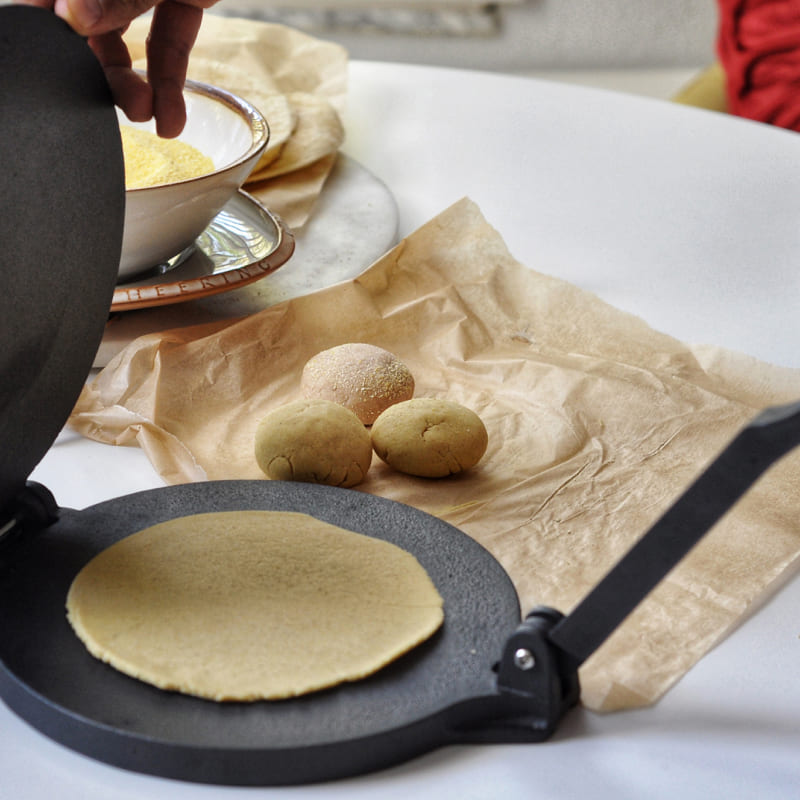
- Portion Before Pressing: Divide your dough into balls before pressing. This helps each portion come to room temperature evenly.
- Cover Dough Balls: Keep unused dough balls covered with a damp towel to prevent drying and cooling.
- Work in Batches: If making a large batch, press only a few tortillas at a time and keep the rest of the dough covered and at the right temperature.
- Clean Your Press: Dough can stick more easily if the press isn’t clean. For best hygiene, see how to sanitize a cast iron press between sessions.
- Use Liners: Parchment or plastic liners help prevent sticking, especially if the dough is on the warmer side.
For more on tortilla presses and their care, check out this comprehensive guide to tortilla presses for additional tips and troubleshooting.
FAQ: Dough Temperature and Tortilla Pressing
What happens if my dough is too cold when pressing tortillas?
Cold dough tends to be stiff and may crack or resist flattening in the press. Allowing the dough to warm up to room temperature makes it more pliable and easier to press into thin, even rounds.
Can I press tortillas if my dough is still warm from mixing?
Warm dough is generally easier to press, but if it’s too hot, it may become sticky and hard to handle. Let the dough rest until it’s just slightly warm or at room temperature for the best results.
How do I keep my dough at the right temperature during a long cooking session?
Keep dough balls covered with a damp towel or plastic wrap to prevent them from drying out and cooling off. If your kitchen is cold, you can place the covered dough near a warm (but not hot) spot to maintain the ideal temperature.
Is the ideal temperature different for corn versus flour tortillas?
The recommended range of 72°F–78°F works well for both corn and flour doughs. However, flour doughs may be slightly more forgiving if a bit warmer, while corn masa is more sensitive to temperature changes and can dry out quickly if too cold.
Conclusion
Mastering the optimal dough temperature for pressing is a simple but powerful way to improve your homemade tortillas. By keeping your dough within the recommended range, you’ll enjoy tortillas that are easy to press, cook evenly, and taste authentic. Remember to adjust for your kitchen environment, use warm water when mixing, and keep dough covered when not in use. With these tips, every batch will be a step closer to perfection.
For more flatbread inspiration, see how you can adapt your press for other breads in the how to use a tortilla press for naan guide, or explore liner options in can you use wax paper in a tortilla press.