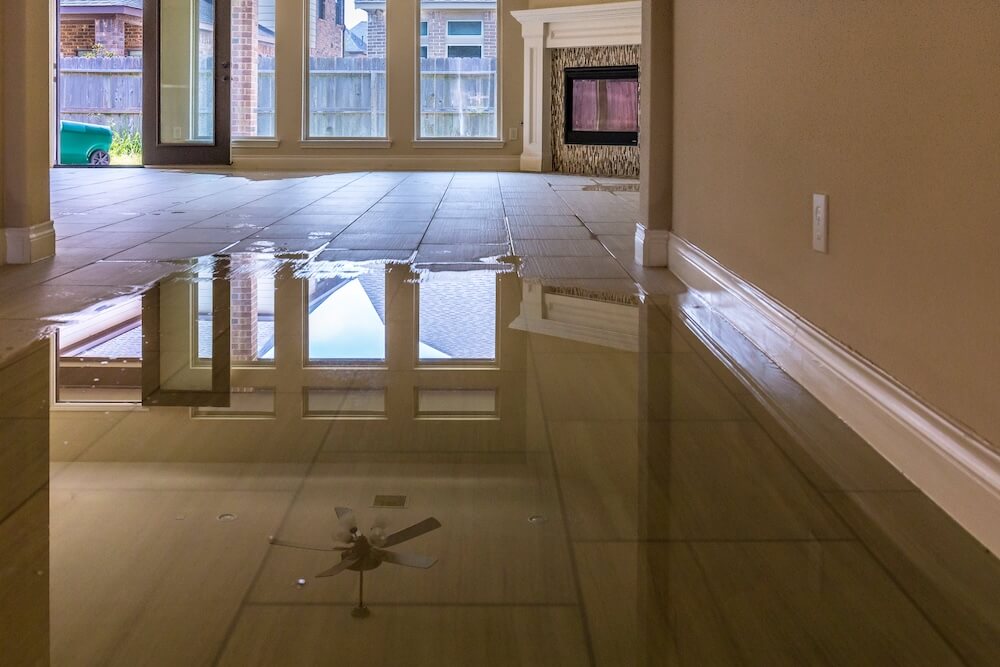
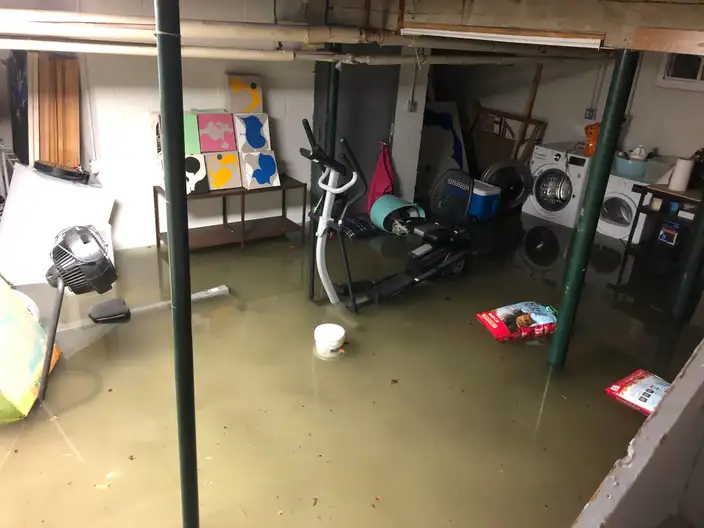
Recovering from a flood can be overwhelming, especially when it comes to cleaning up and restoring your home. Acting quickly is important, but rushing the process or overlooking crucial steps can lead to costly and even hazardous consequences. Understanding the most common flood cleanup mistakes to avoid will help you protect your property, your health, and your finances as you navigate the aftermath of water damage.
Whether you’re dealing with a minor leak or a major flood, knowing what not to do is just as important as knowing what to do. This guide highlights the errors homeowners frequently make during flood recovery and offers practical advice to help you avoid them. For a step-by-step overview of essential actions, see what to do after home flooding for a comprehensive recovery checklist.
Overlooking Safety Precautions During Flood Recovery
One of the most serious errors after water damage is entering flooded areas without taking proper safety measures. Floodwaters often contain contaminants, hidden debris, and electrical hazards. Failing to wear protective gear or ignoring the risk of live wires can result in injury or illness.
- Always turn off electricity at the main breaker before entering a flooded space.
- Wear waterproof boots, gloves, and an N95 mask to protect against bacteria and mold spores.
- Be cautious of structural damage, such as weakened floors or ceilings.
For more on staying safe during the cleanup process, refer to these flood cleanup safety tips designed for homeowners.
Delaying Water Removal and Drying
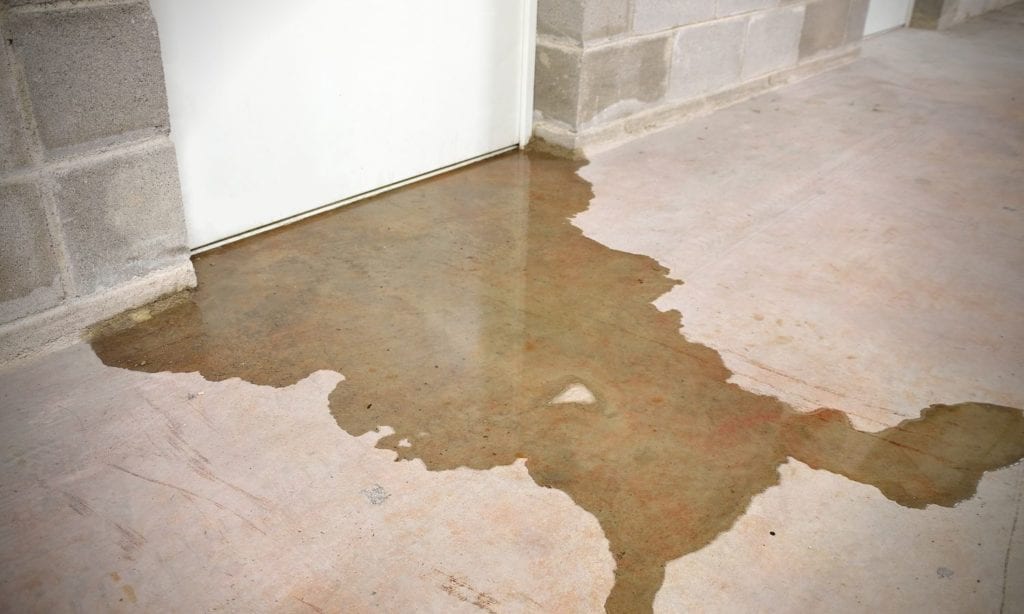
Time is critical when it comes to removing standing water and starting the drying process. Waiting too long can cause extensive damage to floors, walls, and personal belongings, and it significantly increases the risk of mold growth.
Use pumps, wet/dry vacuums, and absorbent materials to extract water as soon as it is safe to do so. Open windows and doors to promote airflow, and use fans and dehumidifiers to speed up drying. For best results, see our guide on dehumidifiers after flooding to learn how to use these devices effectively.
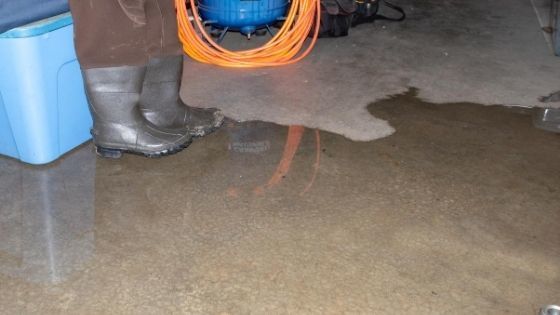
Neglecting Hidden Moisture and Mold Prevention
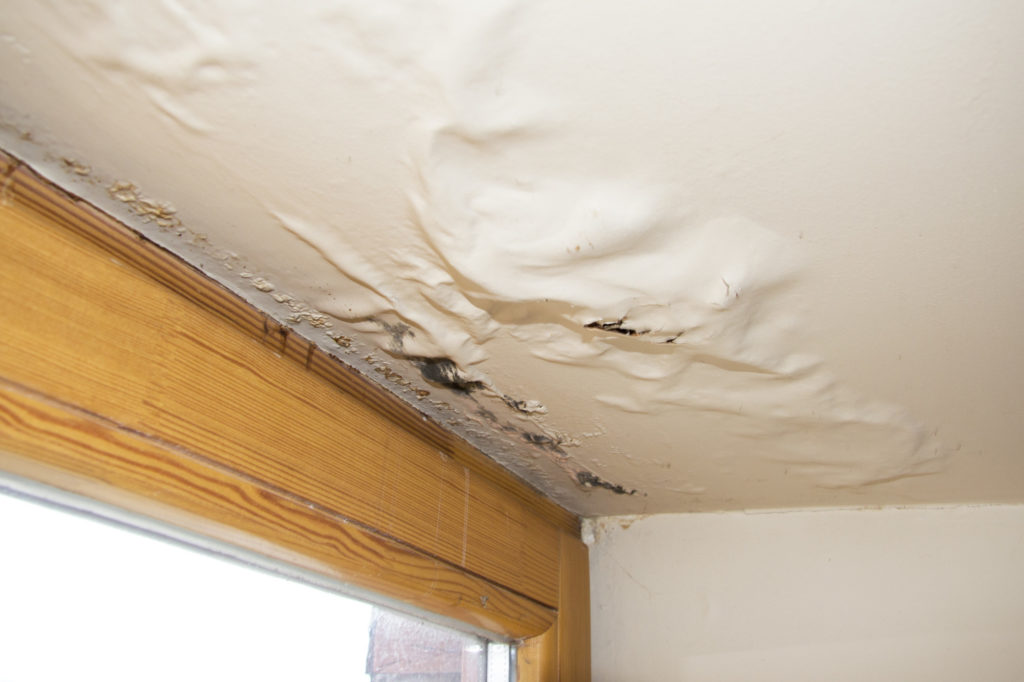
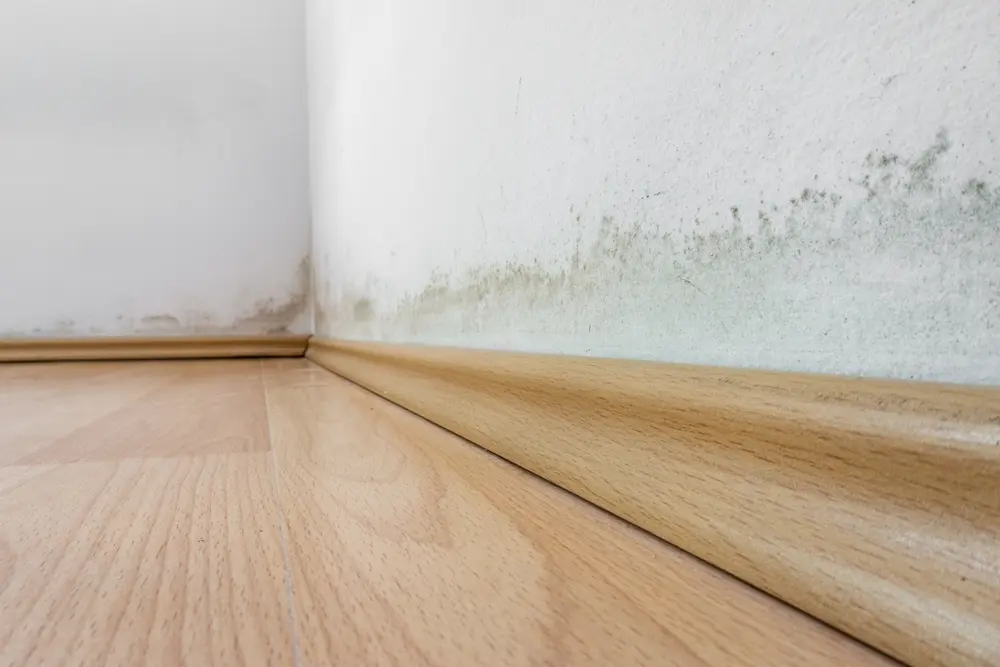
Even after visible water is gone, moisture can linger in walls, floors, and insulation. Overlooking these hidden damp areas is a frequent flood cleanup mistake that can lead to persistent odors, warped materials, and especially mold growth.
Use moisture meters to check for dampness behind walls and under flooring. Remove and discard porous materials like carpet, drywall, and insulation if they remain wet after 24–48 hours. Mold can begin growing in as little as a day, so prompt action is essential. For more information on stopping mold before it starts, read about preventing mold growth after flood.
Improper Disinfection and Cleaning
Simply drying out your home is not enough. Floodwaters can carry bacteria, sewage, and chemicals, making thorough cleaning and disinfection critical. Skipping this step or using the wrong products can leave your home unsafe.
- Scrub all hard surfaces with hot water and soap, then disinfect with a bleach solution or EPA-registered cleaner.
- Dispose of items that cannot be thoroughly cleaned, such as mattresses, upholstered furniture, and stuffed toys.
- Wash clothing and linens in hot water and dry thoroughly.
Failing to Document Damage for Insurance
In the rush to clean up, many homeowners forget to document the extent of the damage. Not taking photos or keeping records can make insurance claims more difficult and may result in reduced compensation.
- Take clear photos and videos of all affected areas and damaged belongings before starting cleanup.
- Keep receipts for repairs, cleaning supplies, and any professional services you hire.
- Contact your insurance company as soon as possible to start the claims process.
Attempting Major Repairs Without Professional Help
While some cleanup tasks can be handled by homeowners, certain repairs require specialized knowledge and equipment. Trying to fix structural damage, electrical systems, or extensive mold problems without expert assistance can be dangerous and may void insurance coverage.
When in doubt, consult licensed contractors, electricians, or water damage restoration professionals. They can assess hidden risks and ensure repairs are done safely and to code.
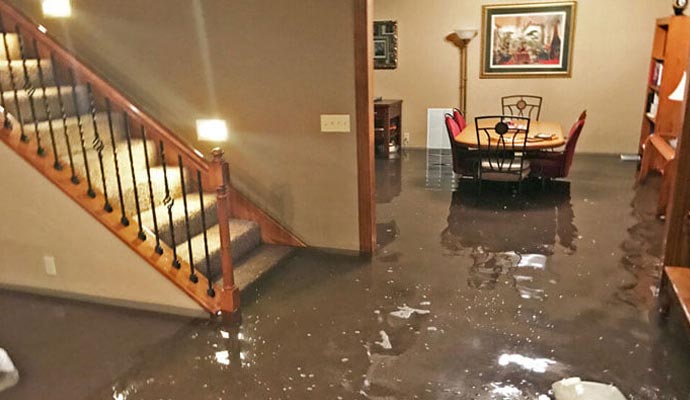
Ignoring Preventive Measures for Future Floods
After experiencing water damage, it’s easy to focus only on immediate repairs. However, failing to take steps to prevent future incidents is a missed opportunity. Consider installing sump pumps, sealing foundation cracks, and using water leak detectors to minimize risk.
For tips on preparing your home for future storms and floods, explore this comprehensive guide to home flood preparedness.
If you want to be proactive, review what to do before a flood for a detailed homeowner checklist.
Frequently Asked Questions
How soon should I start cleaning up after a flood?
Begin cleanup as soon as it is safe to enter your property. The faster you remove water and start drying, the less likely you are to experience severe structural damage or mold growth. Always prioritize safety and follow recommended flood cleanup safety tips.
What are the health risks of improper flood cleanup?
Inadequate cleaning can expose you to bacteria, viruses, and mold, which may cause respiratory issues, skin infections, and other health problems. Always wear protective gear and disinfect all affected areas thoroughly.
Can I prevent mold after water damage?
Mold prevention is possible if you act quickly. Remove all standing water, dry out affected areas within 24–48 hours, and discard materials that cannot be fully dried. For more guidance, see our article on preventing mold growth after flood.