
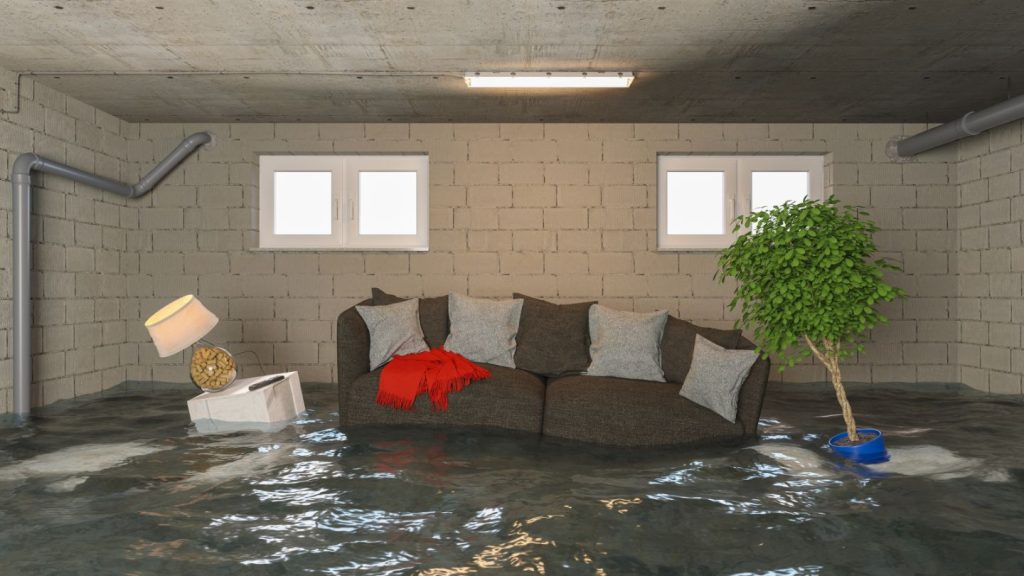
Keeping your basement or crawl space dry is essential for protecting your home’s structure and maintaining healthy indoor air quality. Interior foundation waterproofing is a set of techniques designed to prevent water from seeping through foundation walls or floors, especially in areas prone to heavy rainfall or high groundwater levels. By understanding the available options and how they work, homeowners can make informed decisions to safeguard their property against water damage, mold growth, and costly repairs.
Whether you’re dealing with occasional dampness or persistent leaks, there are effective ways to address moisture issues from inside the home. This article covers the most common interior waterproofing methods, their benefits, and practical considerations for choosing the right solution for your needs. For those interested in related home care topics, you might also find value in learning how to sanitize a cast iron press for kitchen safety and maintenance.
Why Moisture Management Matters for Foundations
Water intrusion can cause a range of problems, from cosmetic issues like peeling paint and musty odors to serious structural damage such as foundation cracks and wood rot. Left unchecked, excess moisture can also create an environment where mold and mildew thrive, impacting the health of everyone in the home.
While exterior solutions like grading and gutter maintenance are important, interior approaches offer practical advantages—especially when outside excavation isn’t feasible or cost-effective. Interior systems can be installed year-round, often with less disruption to landscaping and at a lower overall cost.
Key Interior Foundation Waterproofing Techniques
There are several proven methods for managing water from inside the foundation. The right choice depends on the source of the moisture, the condition of your basement or crawl space, and your long-term goals.
1. Interior Drain Tile Systems
One of the most effective strategies is the installation of an interior drain tile system. This involves creating a channel along the perimeter of the basement floor, typically just inside the foundation walls. A perforated pipe is placed in this channel and covered with gravel, allowing water that seeps through the walls or floor to be collected and directed to a sump pump.
- Reduces hydrostatic pressure against the foundation
- Channels water away before it can pool or cause damage
- Can be installed with minimal disturbance to the home’s exterior
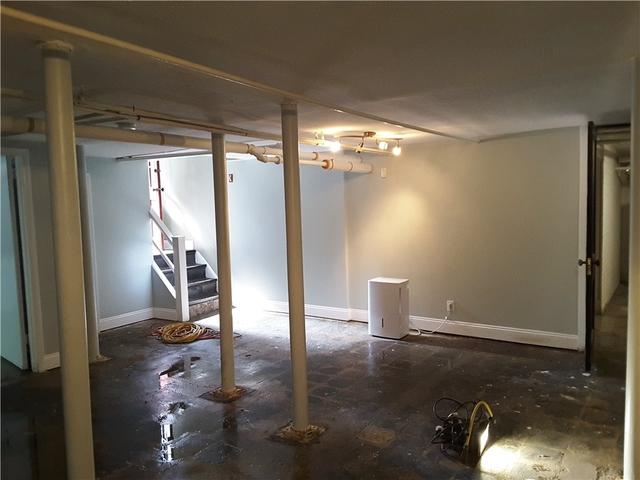
2. Sump Pumps and Battery Backup Systems
Sump pumps are a critical component of many interior waterproofing setups. They work by collecting water from the drain tile or from under the basement floor and pumping it safely away from the foundation. Modern systems often include battery backups to ensure continued operation during power outages, which are common during severe storms.
- Protects against flooding even during heavy rainfall
- Reduces the risk of water pooling in the basement
- Battery backups provide peace of mind during emergencies
3. Wall and Floor Sealants
Applying specialized sealants or waterproof coatings to interior walls and floors can help block minor seepage and reduce humidity. These products are best suited for situations where water intrusion is minimal or as a supplementary measure alongside other solutions.
- Quick and cost-effective for small problem areas
- Improves appearance and reduces musty odors
- Not a substitute for addressing significant leaks or structural issues
Additional Interior Moisture Control Strategies
Beyond the core waterproofing systems, there are other steps homeowners can take to keep basements and crawl spaces dry:
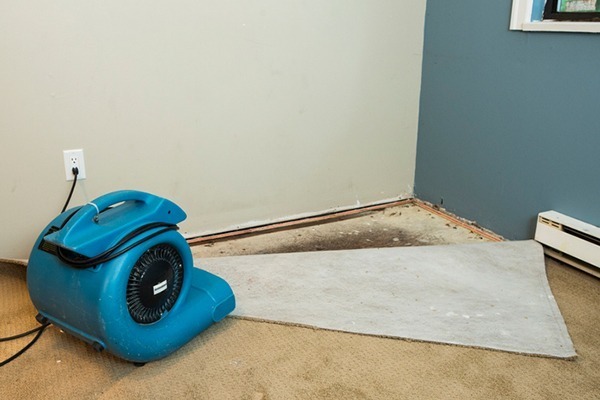
- Install a dehumidifier to control humidity and prevent condensation
- Ensure proper ventilation in utility rooms and storage areas
- Regularly inspect plumbing and appliances for leaks
- Use a water leak detector for early warning of moisture problems
For more ideas on designing a resilient home, check out this comprehensive guide to flood-resistant home design.
Choosing the Right Waterproofing Approach
Selecting the best interior solution depends on several factors:
- Source of Water: Is moisture entering through cracks, floor joints, or as vapor?
- Foundation Type: Concrete, block, or stone foundations may require different techniques.
- Budget and Timeline: Some methods are more affordable and less invasive than others.
- Long-Term Plans: Consider future renovations or finishing the basement when planning waterproofing work.
Consulting with a professional can help identify the underlying causes of water intrusion and recommend a tailored solution. In some cases, a combination of interior and exterior methods may provide the most comprehensive protection.
Maintenance Tips for Lasting Results
Even the best waterproofing systems require regular upkeep to remain effective. Here are some practical maintenance tips:
- Test sump pumps and backup systems at least twice a year
- Inspect drain tiles and discharge lines for blockages
- Reapply sealants as recommended by the manufacturer
- Monitor humidity levels and address any new signs of moisture promptly
Staying proactive with maintenance helps ensure your investment in interior foundation waterproofing continues to protect your home for years to come.
Frequently Asked Questions
How do I know if I need interior waterproofing for my foundation?
Signs that you may need interior waterproofing include visible water stains, peeling paint, musty odors, or standing water in your basement or crawl space. If you notice any of these issues, it’s wise to investigate further and consider professional advice.
Can I install an interior waterproofing system myself?
While some products like sealants or dehumidifiers are suitable for DIY, more complex solutions such as drain tile systems and sump pumps are best handled by experienced contractors. Proper installation is key to long-term effectiveness.
Will interior waterproofing fix all water problems?
Interior methods are highly effective for managing seepage and minor leaks, but severe structural issues or persistent flooding may require a combination of interior and exterior solutions. Addressing grading, gutters, and landscaping outside the home is also important for comprehensive protection.




