Effective managing stormwater at home is essential for protecting your property, preserving local water quality, and reducing the risk of costly water damage. Whether you’re dealing with frequent rain, melting snow, or unexpected downpours, understanding how to control runoff and prevent flooding can make a significant difference in your home’s safety and value. This article explores practical strategies, tools, and maintenance tips to help homeowners address stormwater challenges with confidence.
Along the way, you’ll find actionable advice, recommended products, and helpful resources to guide your efforts. If you’re interested in related home care topics, you might also find value in our guide on how to sanitize a cast iron press.

Why Home Stormwater Management Matters
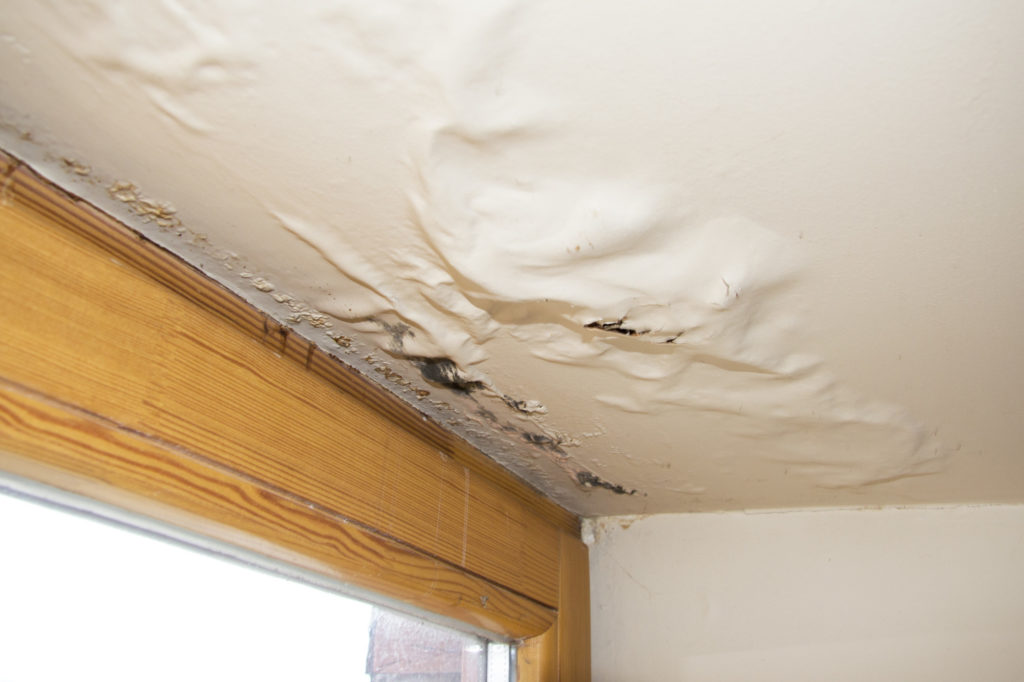
Many homeowners underestimate the impact of uncontrolled runoff. When rainwater isn’t properly directed away from your house, it can seep into basements, erode foundations, and damage landscaping. Over time, this can lead to expensive repairs and even compromise the structural integrity of your home.
Beyond property concerns, excess runoff contributes to local flooding and carries pollutants into streams and lakes. By taking steps to manage stormwater effectively, you’re not just protecting your investment—you’re also supporting a healthier environment for your community.
Common Stormwater Issues Homeowners Face
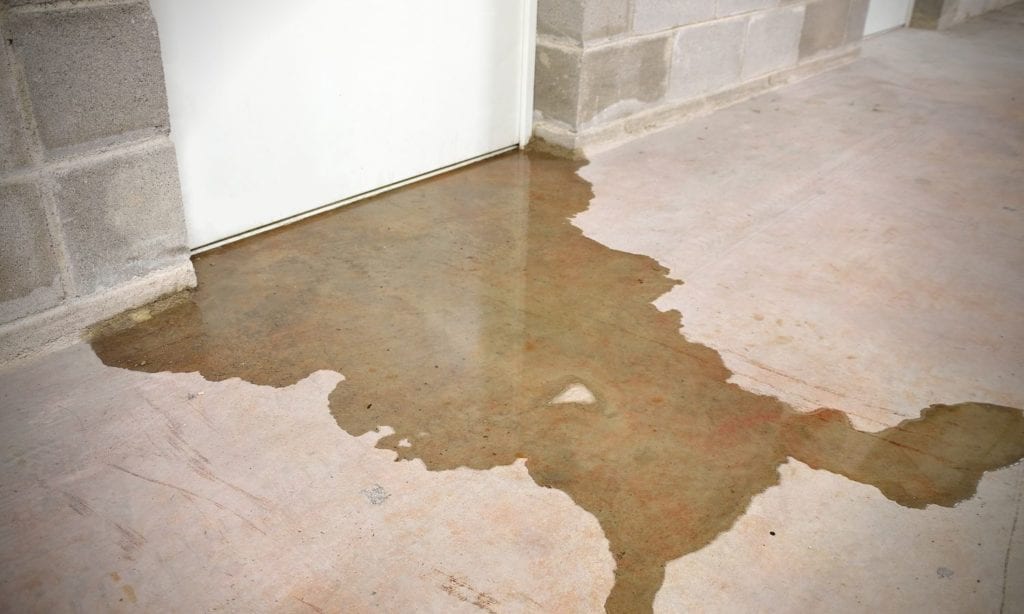
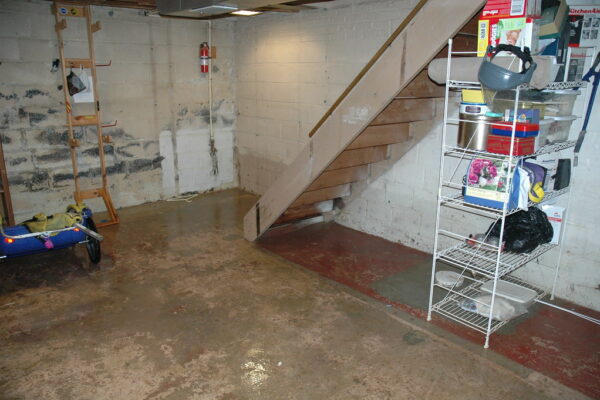
- Basement flooding caused by poor drainage or clogged gutters
- Soil erosion around foundations and garden beds
- Pooled water on driveways, patios, or lawns
- Overflowing downspouts and waterlogged landscaping
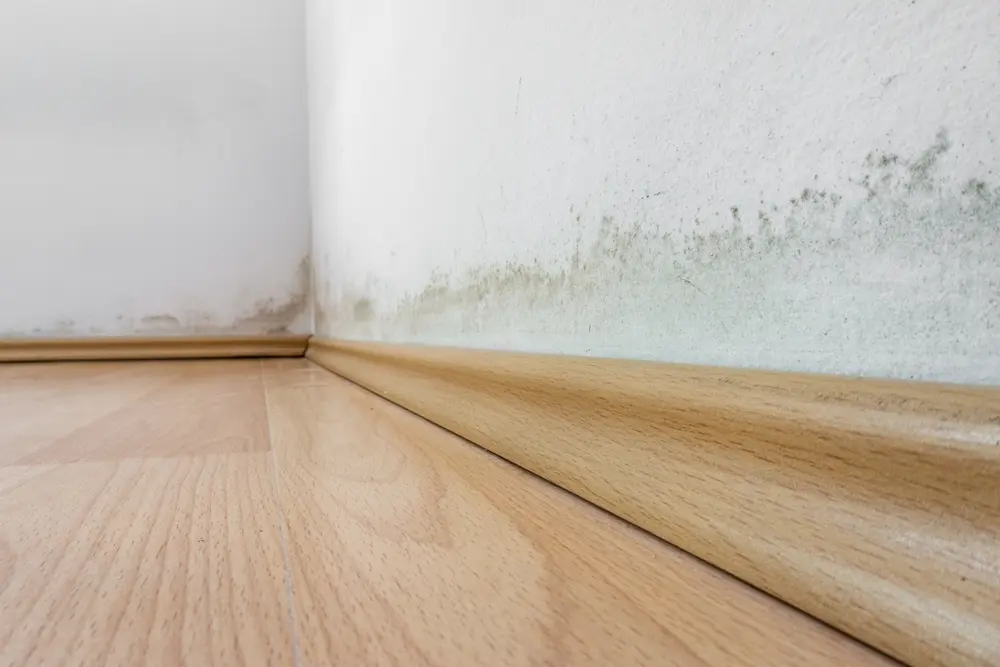
- Mold and mildew growth due to persistent dampness
Key Principles for Handling Rainwater at Home
The foundation of stormwater management is to slow, spread, and soak up runoff before it causes problems. Here are the main principles to follow:
- Direct water away from your foundation. Use gutters, downspouts, and grading to ensure water flows away from your home.
- Capture and reuse rainwater. Rain barrels and cisterns can collect water for gardens and reduce runoff.
- Increase infiltration. Permeable surfaces, rain gardens, and swales allow water to soak into the ground instead of pooling or running off.
- Maintain drainage systems. Regularly clean gutters, check for blockages, and repair damaged pipes or drains.
Practical Solutions for Managing Stormwater at Home
Gutter and Downspout Maintenance
Keeping gutters and downspouts clear is the first line of defense against water damage. Remove leaves and debris at least twice a year, and ensure downspouts extend several feet away from your foundation. Consider adding splash blocks or flexible extensions to direct water further from your home.
Landscaping for Drainage
Thoughtful landscaping can make a big difference in how water moves on your property. Grading soil to slope away from your house, installing French drains, or creating swales can help channel runoff safely. Planting deep-rooted native plants in rain gardens also improves absorption and filters pollutants.

Permeable Surfaces and Rain Gardens
Replacing traditional concrete or asphalt with permeable pavers, gravel, or mulch lets water seep into the soil instead of running off. Installing a rain garden in a low spot captures runoff and allows it to slowly filter into the ground, reducing pressure on storm drains and minimizing erosion.
Using Technology for Early Detection
Modern tools like water leak detectors can alert you to leaks or flooding before they become major issues. These devices are easy to install and provide peace of mind, especially in basements or areas prone to water intrusion.
Preventing Basement Flooding and Water Damage
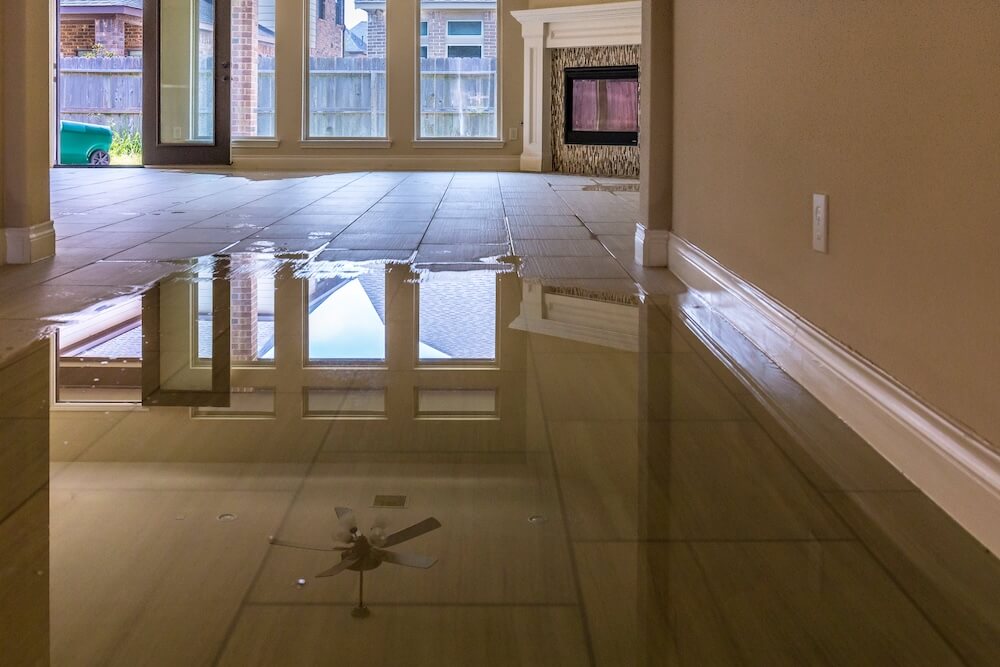
One of the most common and costly consequences of poor runoff control is basement flooding. To minimize risk:
- Seal cracks in foundation walls and floors
- Install a sump pump with a battery backup
- Use window well covers to keep out rain and debris
- Ensure landscaping slopes away from the house
- Monitor humidity and use dehumidifiers as needed
For more detailed advice on protecting your property, check out this comprehensive guide to flood-proofing your home.
Routine Maintenance for Sustainable Stormwater Control
Consistent upkeep is key to long-term success. Inspect your gutters, downspouts, and drainage areas regularly, especially after heavy storms. Remove blockages, repair damage promptly, and keep an eye on landscaping changes that might affect water flow.
If you notice persistent pooling or erosion, consider consulting a local drainage specialist. Addressing small problems early can prevent much larger issues down the road.
Frequently Asked Questions
What are the most effective ways to prevent basement flooding?
The most reliable methods include keeping gutters and downspouts clear, grading soil away from your foundation, sealing cracks, and installing a sump pump. Using water leak detectors can also provide early warnings of moisture issues.
How can landscaping help with stormwater management?
Strategic landscaping—such as rain gardens, swales, and permeable surfaces—slows down runoff and increases infiltration. Native plants with deep roots are especially effective at absorbing water and stabilizing soil.
Are rain barrels a good solution for managing runoff?
Yes, rain barrels capture water from your roof, reducing the amount of runoff and providing a free source of irrigation for your garden. Just make sure to keep them covered and clean to prevent mosquito breeding and debris buildup.
Conclusion
Taking proactive steps to handle rainwater on your property protects your home, saves money, and benefits your neighborhood. With regular maintenance, smart landscaping, and the right tools, you can minimize risks and enjoy a safer, drier living space. For more home care tips, explore our resources on topics like how to store corn masa for pressing and other practical guides.