
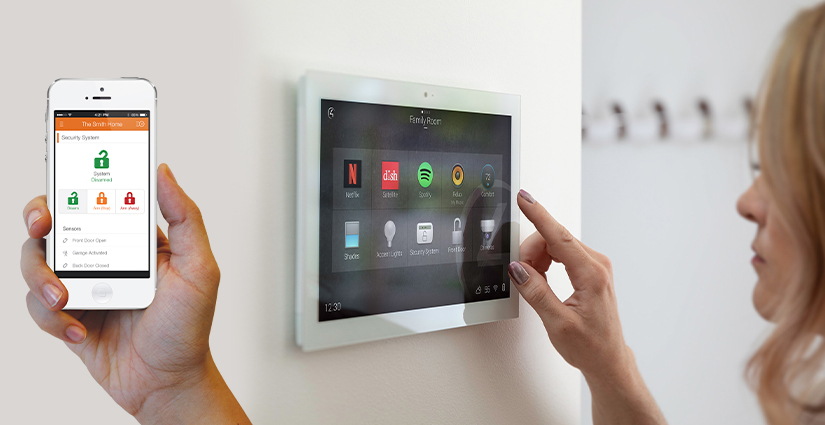
Keeping your home in top condition is about more than just appearances—it’s a crucial part of ensuring your family’s well-being and protecting your investment for years to come. Home maintenance for safety involves regular checks, timely repairs, and proactive upgrades that help prevent accidents, reduce risks, and extend the life of your property. Whether you own a house or rent an apartment, understanding the most important tasks can make a significant difference in both daily comfort and long-term security.
In this guide, we’ll explore practical steps to safeguard your living space, highlight key areas that require attention, and recommend tools and resources to help you stay on top of essential tasks. For those interested in advanced monitoring solutions, you can also learn about real-time home monitoring for added peace of mind.
Why Prioritize Home Maintenance for Safety?
Routine upkeep is not just about keeping things tidy—it’s a proactive approach to minimizing hazards and ensuring your home remains a safe haven. Neglecting regular inspections or repairs can lead to costly damage, health risks, and even emergencies. By focusing on home maintenance for safety, you can prevent common issues such as electrical fires, water leaks, and structural problems before they escalate.
A well-maintained home also supports energy efficiency, reduces insurance premiums, and increases property value. Regular attention to safety-related tasks demonstrates responsibility and care, which benefits everyone living under your roof.
Key Safety Checks Every Homeowner Should Perform
To create a secure environment, it’s important to establish a checklist of essential inspections and tasks. Here are some critical areas to focus on:
- Smoke and Carbon Monoxide Detectors: Test alarms monthly and replace batteries at least once a year. Replace the entire unit every 7–10 years.
- Electrical System: Look for frayed wires, overloaded outlets, and flickering lights. Schedule a professional inspection every few years, especially in older homes.
- Plumbing: Check for leaks under sinks, around toilets, and near water heaters. Early detection can prevent water damage and mold growth.
- Heating and Cooling: Clean or replace filters regularly and have HVAC systems serviced annually to ensure efficient and safe operation.
- Fire Extinguishers: Ensure you have at least one accessible fire extinguisher on each floor and know how to use it.
- Windows and Doors: Inspect locks and seals to enhance security and energy efficiency.
- Outdoor Areas: Keep walkways clear, trim overgrown shrubs, and check for loose railings or steps to prevent falls.
Smart Technology and Security Upgrades
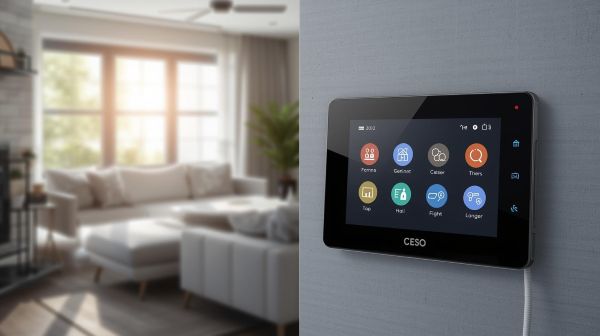
Modern technology can greatly enhance your efforts to maintain a secure home. Smart alarms, surveillance cameras, and energy monitors allow you to track activity, detect issues early, and respond quickly to potential threats. Integrating these devices with your daily routine can provide real-time alerts and remote access, making it easier to manage risks even when you’re away.
For those interested in comprehensive solutions, consider exploring a guide to proactive protection that covers both physical and digital safety strategies. These resources can help you make informed decisions about which upgrades are right for your household.
Seasonal Home Maintenance for Safety and Protection
Different times of year bring unique challenges. Adjusting your maintenance routine to the seasons helps address weather-related risks and keeps your home resilient. Here are some seasonal tips:
- Spring: Inspect the roof for winter damage, clean gutters, and check for signs of leaks or mold.
- Summer: Service air conditioning units, trim trees away from the house, and test outdoor lighting.
- Fall: Prepare heating systems, seal gaps around windows and doors, and clear leaves from drains.
- Winter: Insulate pipes, check for ice dams on the roof, and keep walkways free of snow and ice.
Staying on top of these tasks not only improves safety but also helps prevent costly repairs down the line.
Energy Monitoring and Electrical Safety
Electrical hazards are a leading cause of home fires. Regularly reviewing your wiring, outlets, and appliances is a vital part of home maintenance for safety. Smart energy monitors can provide valuable insights into your household’s power usage, helping you spot unusual patterns that could indicate a problem.
When in doubt, consult a licensed electrician for a thorough inspection. Avoid overloading circuits, unplug unused devices, and replace damaged cords promptly to minimize risk.
Creating a Maintenance Schedule
Consistency is key to effective home care. Developing a maintenance calendar ensures that important tasks are not overlooked. Here are some tips for building your schedule:
- List monthly, seasonal, and annual tasks.
- Set reminders on your phone or calendar app.
- Keep records of completed work and upcoming inspections.
- Involve all household members in basic safety checks.
By staying organized, you can address issues before they become emergencies and maintain a safe, comfortable environment.
Frequently Asked Questions
How often should I check smoke and carbon monoxide detectors?
Test these alarms every month and replace the batteries at least once a year. The entire unit should be replaced every 7–10 years, or as recommended by the manufacturer.
What are the most important seasonal maintenance tasks?
Key seasonal tasks include inspecting the roof and gutters in spring, servicing air conditioning in summer, preparing heating systems in fall, and insulating pipes in winter. Adjust your routine based on your local climate and home features.
How can smart technology improve home safety?
Smart security systems, cameras, and energy monitors offer real-time alerts and remote access, allowing you to detect issues early and respond quickly. These tools can help you monitor your property, reduce risks, and provide peace of mind whether you’re at home or away.




