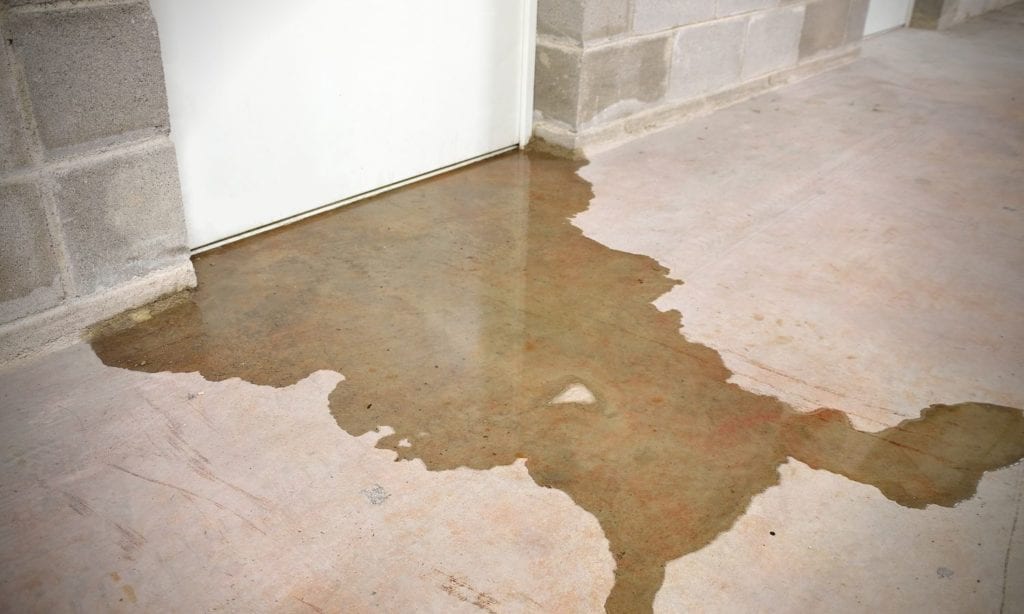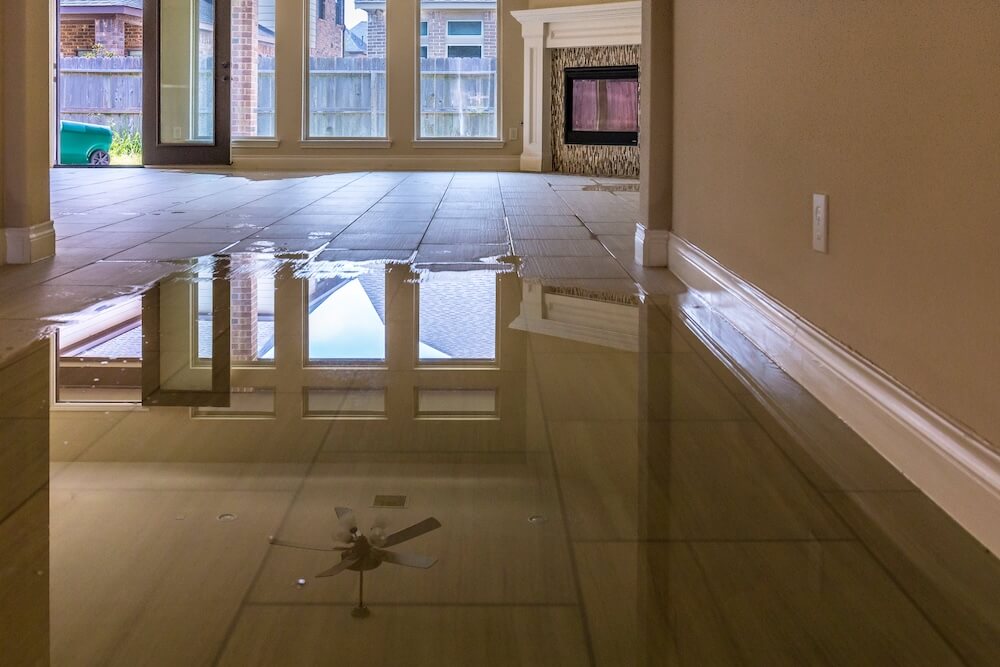
Protecting your home from water damage is essential for maintaining its value and ensuring the safety of everyone inside. Flooding can occur due to heavy rainfall, burst pipes, or even minor leaks that go unnoticed. By understanding and implementing effective home flood prevention strategies, you can significantly reduce the risk of costly repairs and disruption to your daily life.
This guide explores practical steps, technology solutions, and maintenance routines to help keep your property dry. Whether you’re concerned about seasonal storms or everyday plumbing issues, adopting a proactive approach is the best way to safeguard your investment.
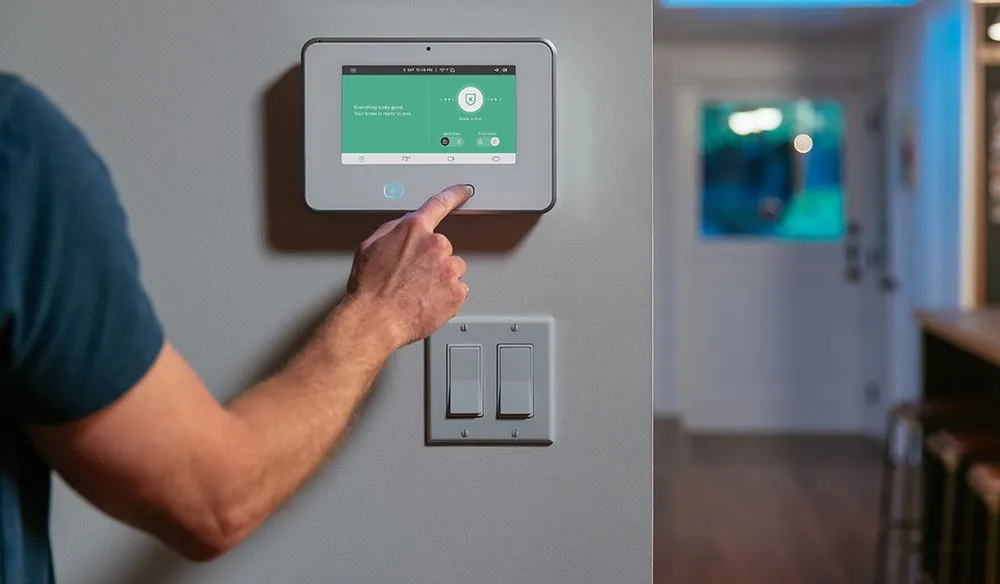
For homeowners interested in advanced monitoring, real-time home monitoring systems can provide instant alerts about water leaks and other emergencies, helping you react quickly before minor issues turn into major problems.
Why Flood Prevention Matters for Homeowners
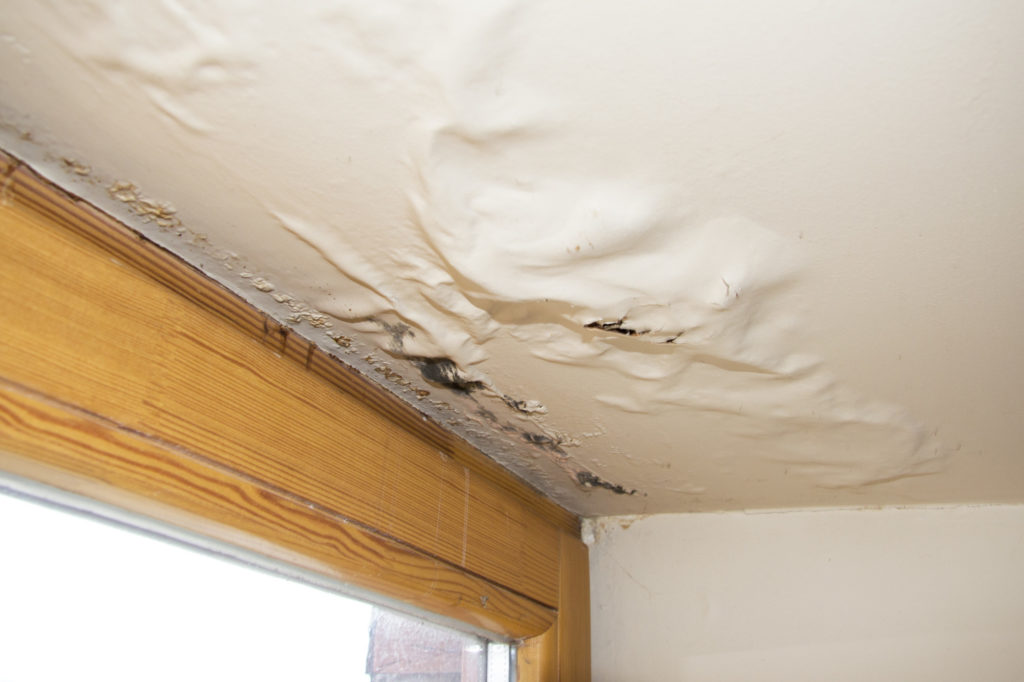
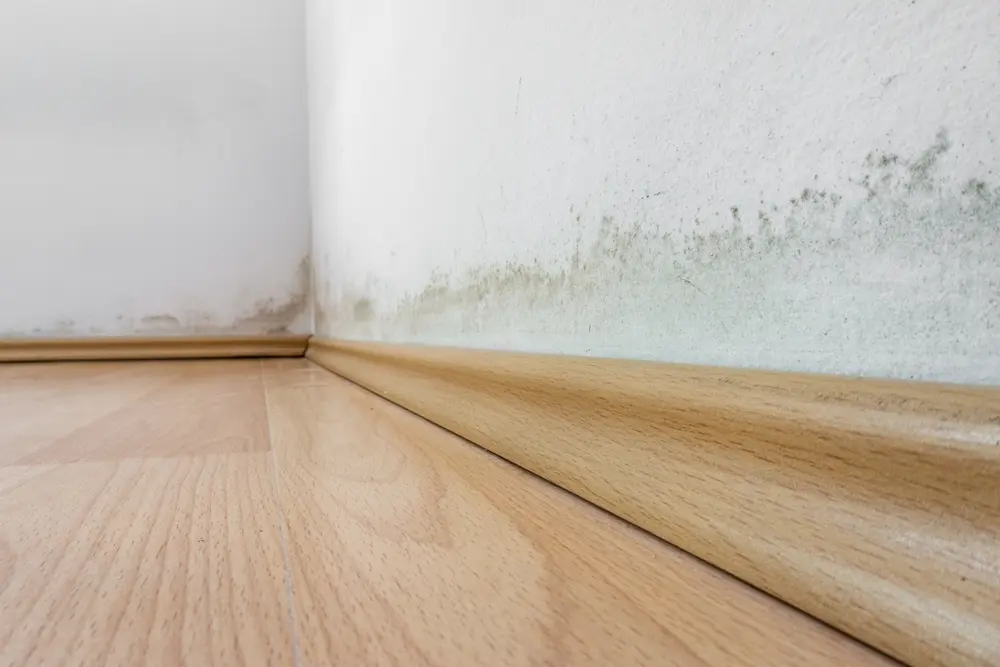
Water intrusion is one of the most common and expensive problems faced by property owners. Even a small leak can lead to mold growth, structural damage, and ruined belongings. By prioritizing flood prevention methods, you not only protect your home but also create a safer environment for your family.
- Financial Savings: Preventing water damage can save thousands in repairs and insurance claims.
- Health Protection: Reducing moisture prevents mold and mildew, which can cause respiratory issues.
- Peace of Mind: Knowing your home is protected allows you to focus on other priorities.
Assessing Your Home’s Flood Risks
Every property is unique, and understanding your specific vulnerabilities is the first step in effective home flood prevention strategies. Consider these key factors:
- Geographic Location: Is your home in a flood-prone area or near bodies of water?
- Foundation and Drainage: Are there signs of water pooling around your foundation after rain?
- Plumbing System: Have you experienced leaks or pipe bursts in the past?
- Roof and Gutters: Are your gutters clear and your roof in good repair?
Conducting a thorough inspection or hiring a professional can help you identify weak points and prioritize improvements.
Essential Flood Prevention Techniques for Every Home
There are several practical steps you can take to minimize the risk of water damage. Many of these solutions are affordable and can be implemented without major renovations.
Maintain Gutters and Downspouts
Clogged gutters are a leading cause of water intrusion. Clean them regularly to ensure rainwater flows away from your home. Downspouts should extend at least six feet from the foundation to prevent pooling near the base of your house.
Seal Foundation Cracks and Basement Walls
Inspect your foundation for cracks or gaps and seal them with waterproof caulk or epoxy. Consider applying a waterproof coating to basement walls for extra protection, especially if you live in an area with high groundwater levels.
Install Sump Pumps and Backup Systems
A sump pump can remove water that accumulates in your basement or crawl space. Choose a model with a battery backup to ensure it works during power outages, which often accompany severe storms.

Smart Technology for Flood Detection and Prevention
Modern technology offers new ways to monitor and prevent water damage. Integrating smart devices into your flood protection plan can provide real-time alerts and automate responses to potential threats.
Water Leak Sensors
Wireless leak detectors can be placed near appliances, under sinks, or in basements. When moisture is detected, these devices send instant notifications to your phone, allowing you to address problems before they escalate.
Smart Home Security Integration
Many smart home security systems now include water and humidity sensors. These can be connected to alarms or even shut off your water supply automatically in case of a detected leak.
Energy Monitors for Early Warning
Energy monitors can help detect unusual spikes in water usage, which may indicate a hidden leak. Early detection allows for prompt repairs, reducing the risk of extensive damage.

Routine Maintenance and Emergency Preparedness
Consistent upkeep is a critical part of any home flood prevention plan. Regularly check for signs of leaks, inspect appliances, and test your sump pump to ensure it’s working properly. Keep a list of emergency contacts, including plumbers and restoration services, so you can act quickly if needed.
- Test water shut-off valves and make sure all household members know their location.
- Store important documents and valuables in waterproof containers.
- Consider installing backflow valves to prevent sewage from entering your home during floods.
Landscaping and Exterior Solutions
The area surrounding your home plays a significant role in flood prevention. Proper landscaping can help direct water away from your foundation and reduce the risk of intrusion.
- Grading: Ensure the ground slopes away from your home to prevent water accumulation.
- French Drains: Install underground drainage systems to channel water away from vulnerable areas.
- Rain Gardens: Use native plants to absorb excess rainwater and reduce runoff.
Frequently Asked Questions
What are the most effective ways to prevent flooding in my basement?
Key steps include maintaining gutters and downspouts, sealing foundation cracks, installing a sump pump with backup power, and using water leak sensors for early detection. Regular inspections and prompt repairs are also essential for keeping basements dry.
How can smart home technology help with flood prevention?
Smart devices such as wireless leak detectors, energy monitors, and integrated security systems provide instant alerts and can automate responses like shutting off water. These tools allow homeowners to act quickly, minimizing damage from leaks or flooding.
Is professional help necessary for flood prevention, or can I do it myself?
Many flood prevention measures can be handled by homeowners, such as cleaning gutters, sealing cracks, and installing basic sensors. However, for complex issues like drainage system installation or major foundation repairs, consulting a professional is recommended.
By combining regular maintenance, smart technology, and practical landscaping, you can build a comprehensive defense against water damage. Taking action now ensures that your property stays dry and secure, no matter what the weather brings.