Protecting your home or business from fire hazards starts with a reliable smoke detection solution. With advances in technology and a wide range of options available, selecting the right setup can feel overwhelming. This smoke detection system guide is designed to help you understand the types of detectors, key features to look for, and the best practices for installation and maintenance. Whether you’re upgrading an older property or building new, making informed choices will ensure your space stays safe and compliant with current safety standards.
Modern smoke detectors do more than just sound an alarm—they can integrate with smart home systems, send alerts to your phone, and even trigger other safety devices. As you explore your options, it’s important to consider not only the type of technology but also placement, connectivity, and long-term maintenance. Early in your research, it’s helpful to see how smoke detection fits into the broader landscape of home protection. For a deeper dive into the latest innovations, check out our resource on next-generation home security systems.
Understanding Smoke Detection Technologies
There are several types of smoke detectors, each using different methods to sense smoke and alert occupants. Knowing the differences will help you choose the most effective solution for your needs.
- Ionization Detectors: These are highly sensitive to fast-flaming fires. They use a small amount of radioactive material to ionize air, triggering the alarm when smoke disrupts the current.
- Photoelectric Detectors: Best for detecting smoldering fires, these use a light beam and sensor. When smoke scatters the light, the alarm sounds.
- Dual-Sensor Detectors: Combining both technologies, these offer broader protection by detecting both fast and slow-burning fires.
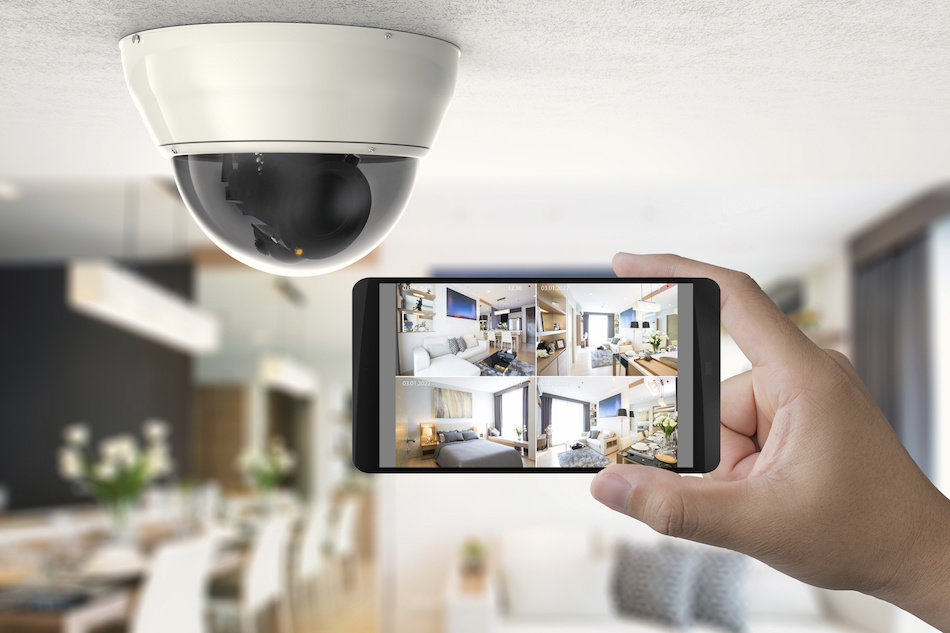
- Smart Smoke Alarms: These connect to Wi-Fi or smart home hubs, sending alerts to your phone and integrating with other safety devices.
For most homes and businesses, a combination of photoelectric and ionization detectors—or dual-sensor models—provides the most comprehensive coverage.
Key Features to Consider in a Smoke Detection System Guide
When evaluating your options, look for features that enhance both safety and convenience. Here are the most important considerations:
- Interconnectivity: Linked alarms ensure that if one detects smoke, all alarms in the system sound simultaneously. This is especially important in multi-level buildings.
- Power Source: Choose between battery-operated, hardwired, or hardwired with battery backup. Battery-only models are easier to install, while hardwired systems offer reliability and compliance with many building codes.
- Smart Integration: Some detectors can connect with smart home platforms, allowing for remote alerts, silencing, and integration with other safety devices like carbon monoxide alarms or security systems.
- Maintenance Alerts: Look for models that provide low-battery and end-of-life notifications to ensure ongoing protection.
- Long-Life Sensors: Many modern detectors feature sealed lithium batteries that last up to 10 years, reducing maintenance needs.
Choosing a system with these features will help you stay proactive about fire safety and ensure your alarms are always ready to respond.

Placement and Installation Best Practices
Proper placement is critical for effective smoke detection. Follow these guidelines to maximize coverage and minimize false alarms:
- Install alarms inside every bedroom, outside each sleeping area, and on every level of your home, including the basement.
- Place detectors on the ceiling or high on the wall, as smoke rises. Avoid corners and areas near windows, doors, or ducts where drafts might interfere with operation.
- For larger homes, interconnected systems are recommended so all alarms sound together.
- In kitchens, install alarms at least 10 feet away from cooking appliances to reduce nuisance alarms from smoke or steam.
- Follow manufacturer instructions for mounting and testing your devices regularly.
For those interested in broader home monitoring, consider integrating your smoke alarms with other smart safety devices. You can learn more about comprehensive solutions in our article on crawl space monitoring solutions.
Maintenance and Testing for Long-Term Reliability
Even the best smoke detectors require regular upkeep to ensure they function when needed. Here’s how to keep your system in top condition:
- Test Monthly: Press the test button on each alarm to confirm it’s working. Replace batteries at least once a year, or as soon as you hear a low-battery chirp.
- Clean Regularly: Dust and debris can interfere with sensors. Gently vacuum around the alarm’s openings or use a can of compressed air.
- Replace Units: Most detectors have a lifespan of 8–10 years. Check the manufacturer’s recommendations and replace outdated units promptly.
- Stay Informed: Some smart alarms will notify you via app when maintenance is required, making it easier to stay on top of safety.
Routine maintenance not only ensures compliance with local fire codes but also provides peace of mind for you and your family.

Integrating Smoke Detection with Smart Home Systems
Today’s best smoke detection setups can do more than just sound a siren. Integration with smart home platforms adds convenience and extra layers of protection:
- Remote Notifications: Receive instant alerts on your smartphone if smoke is detected, even when you’re away from home.
- Automation: Link alarms to other devices, such as smart locks or lights, to help with evacuation or alert emergency contacts.
- Centralized Monitoring: Some systems allow you to monitor multiple properties from a single app, ideal for landlords or business owners.
For those interested in the broader trends shaping home safety, our overview of the future of home protection technology highlights how connected devices are making homes safer and smarter.
When choosing a smart-enabled system, ensure compatibility with your existing devices and look for brands with strong support and regular updates.
Staying Proactive: Additional Safety Tips
While a robust smoke detection setup is essential, it’s just one part of a comprehensive safety plan. Here are a few more steps to maximize protection:
- Develop and practice a fire escape plan with all household members.
- Keep fire extinguishers in accessible locations and ensure everyone knows how to use them.
- Regularly inspect electrical wiring and appliances for signs of wear or damage.
- Stay informed about seasonal risks, such as increased fire hazards during dry weather.
- Consider combining smoke alarms with other sensors, such as carbon monoxide or water leak detectors, for all-around safety.
For more ways to stay ahead of risks, see these proactive home security tips from industry experts.
FAQ: Smoke Detection Systems and Safety
How often should I test and replace my smoke detectors?
Test your alarms monthly by pressing the test button. Replace batteries at least once a year, and replace the entire unit every 8–10 years, or as recommended by the manufacturer.
Where should smoke alarms be installed for maximum effectiveness?
Install alarms inside every bedroom, outside each sleeping area, and on every level of your home, including the basement. Avoid placing them too close to kitchens or bathrooms to minimize false alarms.
What’s the difference between ionization and photoelectric smoke detectors?
Ionization detectors are more responsive to fast-flaming fires, while photoelectric detectors are better at detecting smoldering, slow-burning fires. Dual-sensor models combine both technologies for broader protection.
Can I integrate my smoke alarms with other smart home devices?
Yes, many modern smoke alarms offer smart integration, allowing you to receive alerts on your phone and connect with other safety devices like security systems, lights, and locks.
Choosing the right smoke detection setup is a critical step in safeguarding your property and loved ones. By understanding the available technologies, prioritizing key features, and following best practices for installation and maintenance, you can create a safer, smarter environment for years to come.