
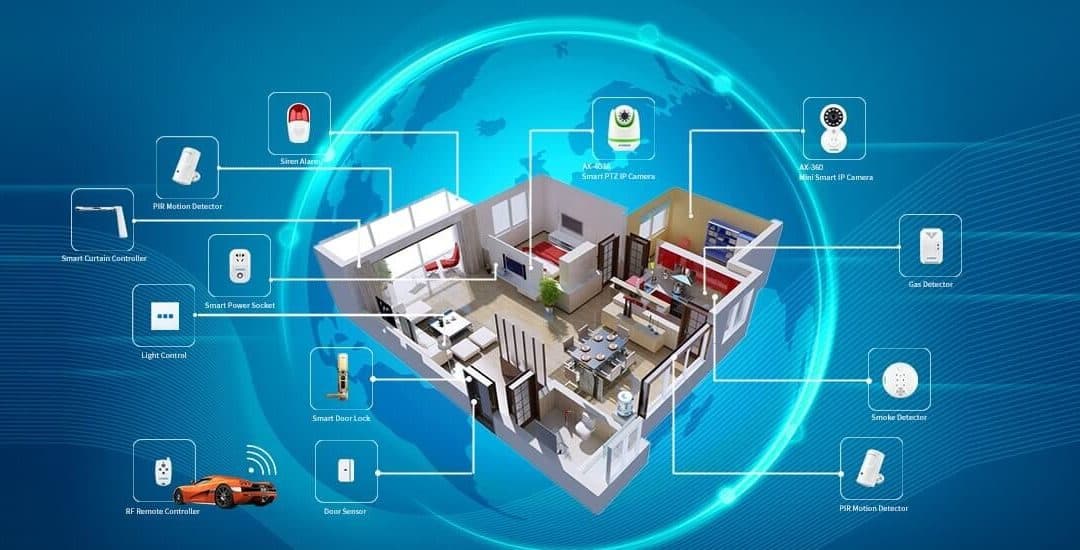
The landscape of home security is evolving rapidly, driven by advances in smart devices, artificial intelligence, and integrated systems. As homeowners seek more effective, convenient, and proactive ways to safeguard their properties, the future of home protection technology promises a new era of intelligent security. From AI-powered cameras to seamless automation and energy monitoring, the next generation of solutions is shaping up to be smarter, more responsive, and deeply connected.
This article explores the most significant trends and innovations shaping residential safety. Whether you’re considering an upgrade to your current system or planning a new installation, understanding these developments will help you make informed decisions. For those interested in a deeper dive into cutting-edge solutions, our guide to next-generation home security systems provides a comprehensive overview of features you should consider now.
AI and Machine Learning: Smarter Threat Detection
One of the most transformative trends in home protection technology is the integration of artificial intelligence and machine learning. Modern security cameras and sensors are no longer limited to simple motion detection. Instead, they can analyze video feeds in real time, distinguish between people, animals, and vehicles, and even recognize familiar faces. This reduces false alarms and enables more precise alerts.
For example, proactive video monitoring solutions now use AI to assess unusual activity and trigger immediate responses. According to proactive video monitoring for home security, these systems can automatically notify homeowners or security services when a genuine threat is detected, rather than every time a pet crosses the yard. This level of intelligence is expected to become standard in the coming years.
Seamless Integration with Smart Home Ecosystems
Today’s homeowners expect their security devices to work together seamlessly. The next wave of home protection solutions is focused on interoperability—connecting alarms, cameras, locks, lighting, and sensors into a unified ecosystem. This allows for automated routines, such as locking doors and activating cameras when you leave the house, or turning on lights in response to detected movement at night.
Integration with voice assistants and mobile apps further enhances convenience. For example, you can arm your system, check live video feeds, or receive alerts directly from your smartphone or smart speaker. As standards like Matter and Zigbee mature, expect even broader compatibility between brands and devices, making it easier to build a truly connected home.

Advanced Sensors and Environmental Monitoring
Security is no longer just about preventing break-ins. The latest home protection technology includes advanced sensors that monitor for fire, smoke, carbon monoxide, water leaks, and even air quality. These devices can alert you to hazards before they become emergencies, helping to protect your property and your family’s health.
Some systems now incorporate early warning features for environmental threats, such as early mold detection systems that catch spores before they spread. Integrating these sensors with your security platform ensures you’re covered against a wider range of risks, not just intrusions.
Energy Monitoring and Smart Power Management
Another emerging trend is the integration of energy monitoring into home security platforms. Smart energy monitors track electricity usage in real time, helping homeowners identify unusual patterns that could indicate a problem—such as an appliance left on or a device malfunctioning. This not only supports energy efficiency but can also alert you to potential safety issues.
For example, if your smart system detects a sudden spike in power usage while you’re away, it could trigger an alert, prompting you to investigate further. Combining security and energy management provides a more holistic approach to home protection.
Privacy and Cybersecurity in Smart Homes
As homes become more connected, privacy and digital security are critical concerns. Modern protection systems must safeguard not only physical entry points but also digital vulnerabilities. Manufacturers are responding with encrypted communications, regular firmware updates, and features that allow users to control data sharing and device permissions.
For practical advice on protecting your digital life at home, see our article on home digital safety strategies. Taking steps to secure your network and devices is just as important as installing locks and alarms.
Proactive and Predictive Security Approaches
The next phase in residential safety is moving from reactive to proactive and even predictive protection. Systems are being designed to anticipate risks based on behavioral patterns, environmental data, and historical trends. For instance, smart motion sensors can learn your household’s routines and alert you only when something truly unusual occurs.
Predictive analytics may soon enable systems to recommend actions, such as adjusting schedules, upgrading sensors, or reinforcing vulnerable entry points. This shift toward prevention, rather than just response, is a defining feature of the latest innovations in the field.
Customization and User-Centric Design
Personalization is becoming a hallmark of the newest home protection solutions. Homeowners can tailor notifications, automate routines, and set custom rules for different scenarios. For example, you might want a silent alert sent to your phone during work hours, but a loud alarm at night. User-friendly interfaces and intuitive mobile apps make these customizations accessible to everyone, not just tech enthusiasts.
Additionally, many systems now offer modular components, so you can start with basic coverage and expand as your needs change. This flexibility ensures that your investment remains relevant as technology and your lifestyle evolve.
FAQ: Home Protection Technology Trends
What role does artificial intelligence play in modern home security?
Artificial intelligence enables security systems to analyze data from cameras and sensors in real time, reducing false alarms and providing more accurate alerts. AI can distinguish between different types of movement, recognize faces, and even predict potential threats based on patterns.
How can I ensure my smart home devices are secure from cyber threats?
To protect your connected devices, use strong, unique passwords, enable two-factor authentication, keep firmware updated, and regularly review device permissions. For more detailed tips, refer to resources on home digital safety strategies.
Are smart sensors only for security, or do they offer other benefits?
Modern sensors go beyond intrusion detection. They can monitor for fire, carbon monoxide, water leaks, and even air quality, providing early warnings for a range of hazards. Some systems also include energy monitoring features to help you manage power usage and detect potential issues.
Looking Ahead: Preparing for the Next Wave of Home Security
The pace of innovation in home protection technology shows no signs of slowing. As AI, automation, and connectivity continue to advance, homeowners will benefit from systems that are not only more effective but also easier to use and adapt. Staying informed about these trends—and choosing solutions that offer flexibility, integration, and strong privacy protections—will help ensure your home remains safe and secure in the years to come.
For more insights on planning a secure home environment, explore our resources on safe room planning at home and effective motion sensors for home protection. Embracing these innovations will empower you to take a proactive approach to residential safety, both now and in the future.




