Protecting your home is more complex than ever, with new technologies and evolving threats shaping the way we think about safety. Understanding the difference between reactive and proactive security is crucial for homeowners who want to make informed decisions about their protection strategies. While both approaches aim to keep your property and loved ones safe, they differ in timing, technology, and overall effectiveness.
This article breaks down the core distinctions between these two security mindsets, explores their practical applications, and helps you determine which approach—or combination—best fits your household. For those interested in the latest advancements, you can also explore next-generation home security systems to see how modern solutions are evolving.
Understanding Reactive Security Measures
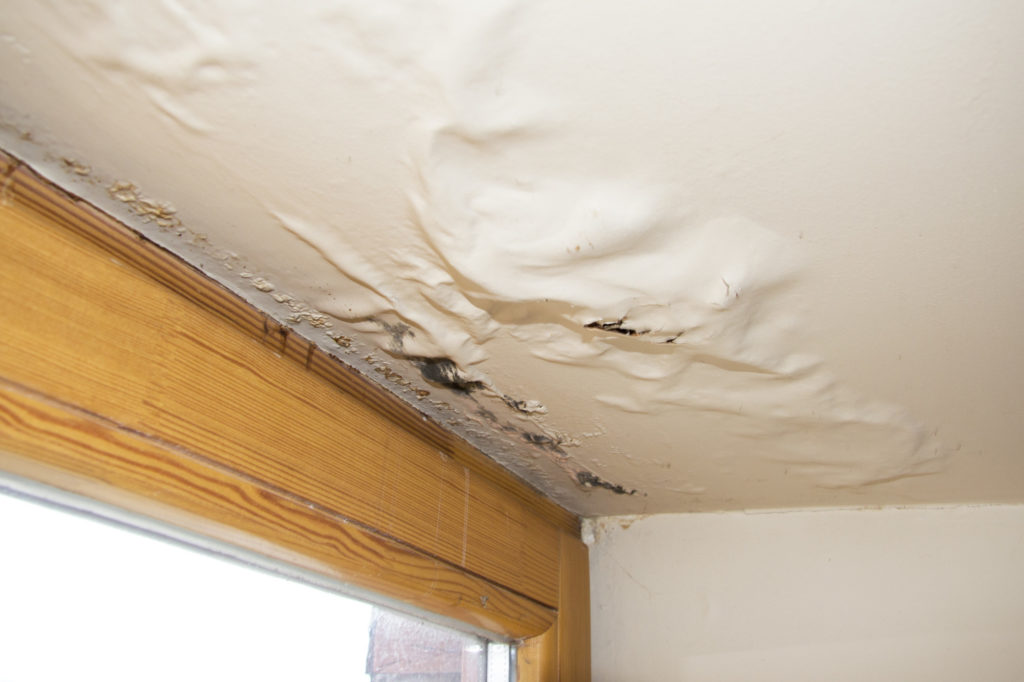
Reactive security refers to systems and actions that respond to incidents after they occur. This approach is centered on detection and response, rather than prevention. Common examples include:
- Traditional burglar alarms that sound after a break-in
- Security cameras that record footage for review post-incident
- Emergency services called after an alert is triggered
With reactive methods, the focus is on minimizing damage and gathering evidence once a threat has already materialized. While this can help with recovery and legal proceedings, it often means the harm—such as theft or property damage—has already been done.
Proactive Security: Prevention First
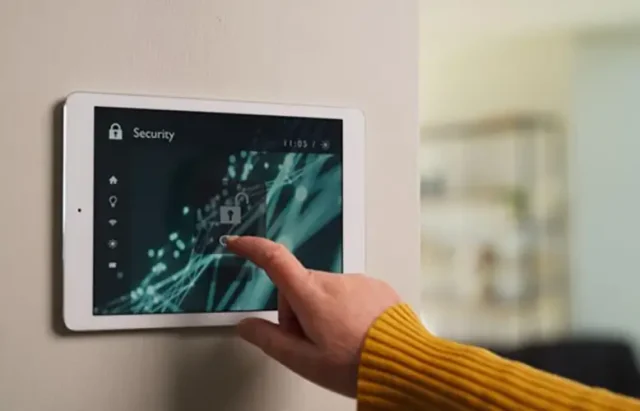
Proactive security, on the other hand, emphasizes anticipation and prevention. This strategy uses technology and planning to identify vulnerabilities and deter threats before they escalate. Key elements include:
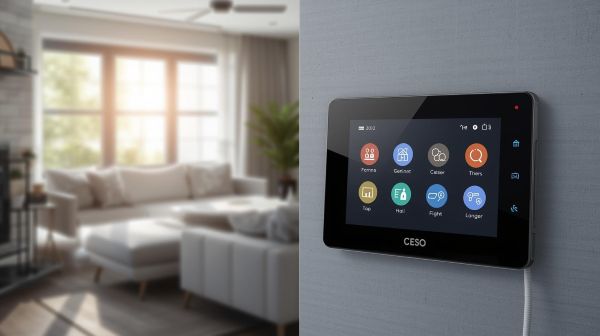
- Smart sensors that detect unusual activity or environmental changes
- Automated lighting and access controls to discourage intruders
- Regular security audits and risk assessments
By addressing risks early, proactive security aims to stop incidents before they occur. This approach is increasingly popular as smart home technology becomes more accessible and affordable.
Key Differences in Home Security Approaches
To fully appreciate the difference between reactive and proactive security strategies, it helps to compare their main characteristics side by side:
| Aspect | Reactive Security | Proactive Security |
|---|---|---|
| Timing | Responds after an incident | Acts before an incident occurs |
| Technology | Alarms, basic cameras | Smart sensors, automation, analytics |
| Goal | Minimize damage, gather evidence | Prevent incidents, deter threats |
| Example | Alarm triggered by break-in | Motion-activated lights, predictive monitoring |
While both methods have their place, proactive strategies are increasingly favored for their ability to reduce risk and provide peace of mind. For a deeper dive into emerging trends, see the future of home protection technology for insights on what’s next in residential safety.
Benefits and Limitations of Each Security Model
Advantages of Reactive Security
- Often less expensive to install
- Simple to operate and maintain
- Useful for collecting evidence after an event
Drawbacks of Reactive Approaches
- Damage or loss may occur before response
- Limited deterrence for would-be intruders
- Can create a false sense of security
Strengths of Proactive Security
- Reduces likelihood of incidents
- Improves overall safety and peace of mind
- Integrates with smart home systems for enhanced control
Potential Challenges with Proactive Solutions
- Higher upfront investment
- Requires ongoing monitoring and updates
- May involve a learning curve for new technology
Combining both approaches can offer a layered defense, leveraging the strengths of each for comprehensive protection.

Choosing the Right Security Approach for Your Home
When deciding between reactive and proactive methods, consider your home’s unique needs, your budget, and your comfort with technology. For some, a basic alarm system may suffice. Others may prefer a comprehensive smart home setup with predictive monitoring and automation.
Many homeowners find that integrating both strategies—such as pairing smart sensors with traditional alarms—offers the best of both worlds. This layered approach can deter intruders, provide early warnings, and ensure a swift response if an incident does occur.
If you’re looking to upgrade, you might also be interested in smart homeowner solutions that make daily life easier while enhancing safety.
Best Practices for Home Security Planning
- Conduct a thorough risk assessment of your property
- Install visible deterrents like cameras and lights
- Use smart sensors for doors, windows, and environmental hazards
- Regularly update passwords and security software
- Educate all household members on emergency procedures
Staying informed about the latest products and strategies is essential. For a comprehensive overview, check out the ultimate guide to home security for first-time homeowners for practical tips and recommendations.
Frequently Asked Questions
What is the main distinction between reactive and proactive home security?
The primary difference lies in timing and intent. Reactive security responds to incidents after they happen, while proactive security aims to prevent threats before they occur by anticipating risks and implementing deterrents.
Can I combine both types of security measures?
Yes, many experts recommend a layered approach that uses both reactive and proactive strategies. For example, you might use smart sensors and automated lights to deter intruders, while also having alarms and cameras to respond if an incident occurs.
Are proactive security systems more expensive?
Proactive solutions often require a higher initial investment due to advanced technology and integration. However, they can reduce long-term costs by preventing incidents and minimizing potential losses.
How do I know which approach is right for my home?
Assess your property’s vulnerabilities, your budget, and your willingness to adopt new technology. Consulting with a security professional or exploring resources like future of home protection technology can help you make an informed decision.