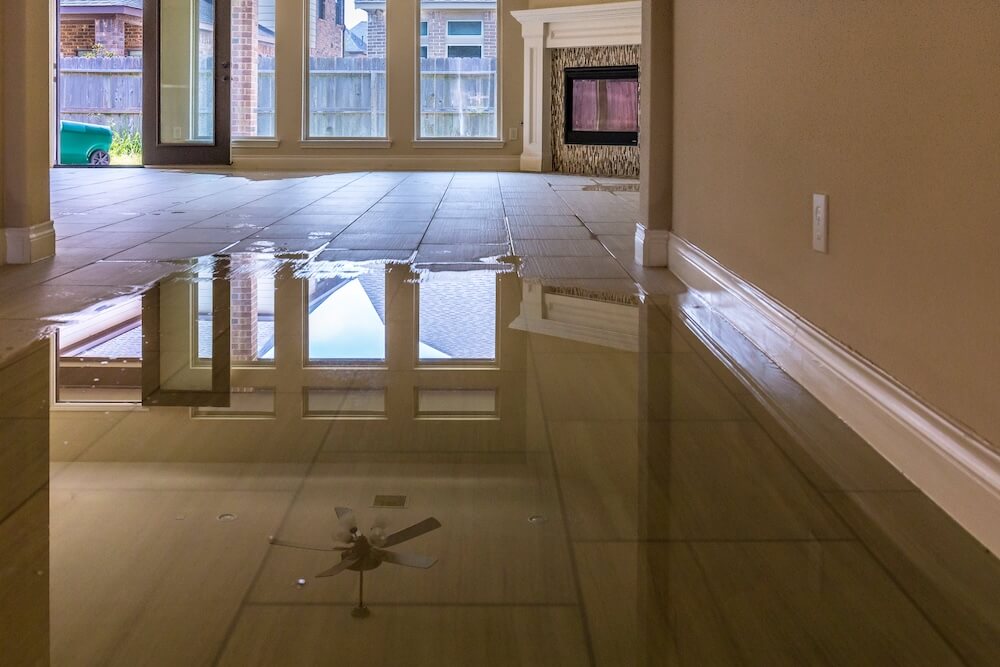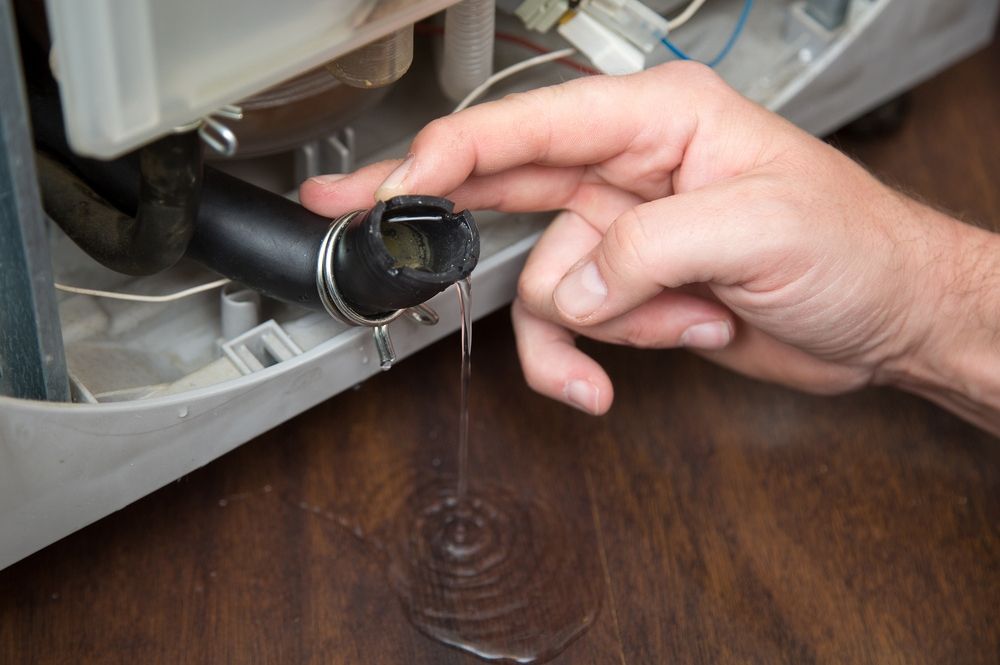
Water intrusion is one of the most common threats to residential properties, leading to costly repairs, mold growth, and structural issues. Whether you live in a rainy climate, an area prone to flooding, or simply want to safeguard your investment, improving your house’s ability to withstand moisture is essential. This guide will outline practical steps and proven methods to help you make your home more water-resistant, from exterior upgrades to interior maintenance strategies.
Before diving into specific techniques, it’s worth noting that water protection is not a one-time project but an ongoing process. Regular inspections and timely interventions can prevent small leaks from turning into major disasters. For those interested in related home care topics, you might also find value in learning how to sanitize a cast iron press between cooking sessions.
Assessing Vulnerable Areas for Moisture Entry
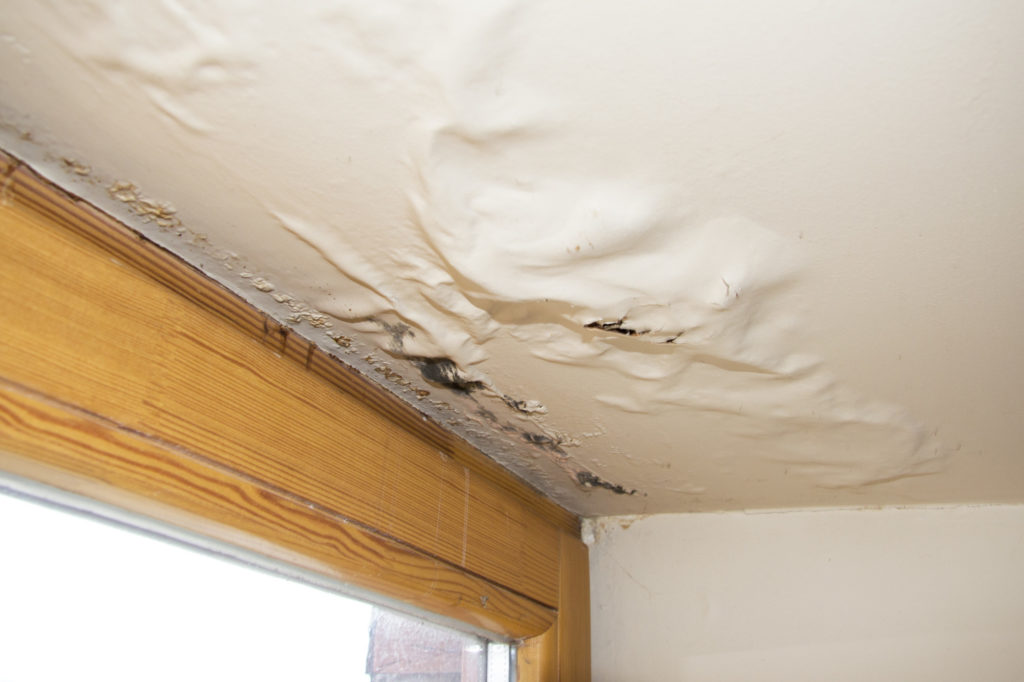
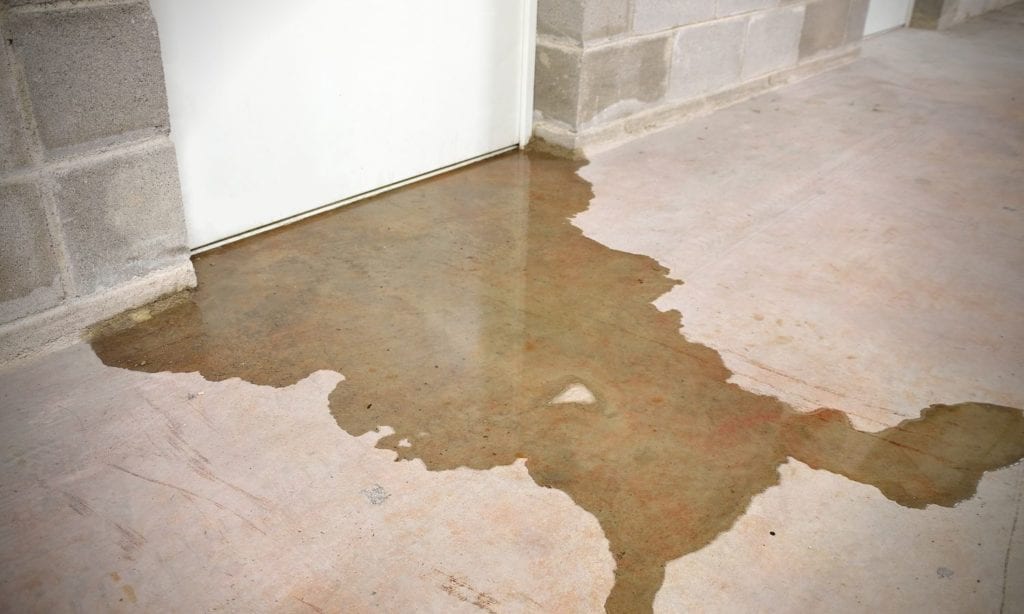
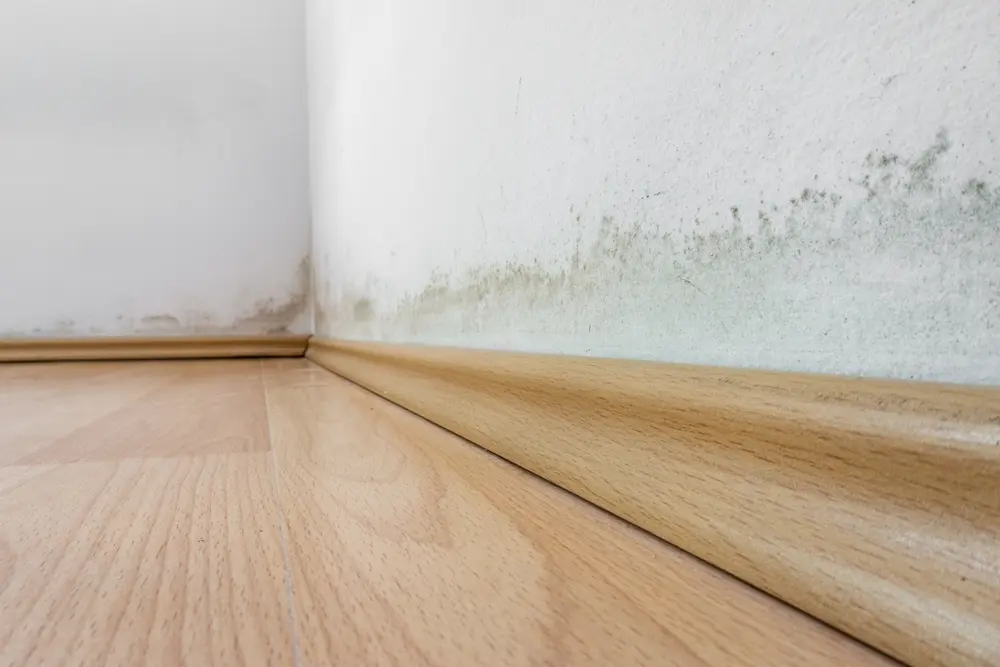
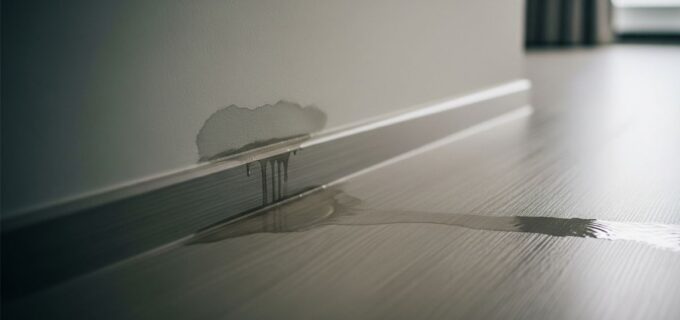
The first step in enhancing your property’s water resistance is to identify the most vulnerable spots. Common problem areas include basements, crawl spaces, roofs, windows, doors, and exterior walls. Begin with a thorough inspection, looking for signs of water stains, peeling paint, warped wood, or musty odors. Pay close attention to the foundation and any areas where water tends to pool after rain.
If you’re unsure where to start, consider consulting a professional for a moisture assessment. They can use specialized tools to detect hidden leaks and recommend targeted solutions.
Exterior Upgrades to Boost Water Resistance
Many water problems originate outside the house. Taking proactive measures on your home’s exterior can dramatically reduce the risk of leaks and seepage.
- Improve Drainage: Ensure gutters and downspouts are clear of debris and direct water at least six feet away from the foundation. Consider installing extensions or splash blocks if needed.
- Seal Cracks and Gaps: Use high-quality caulk or masonry sealant to fill any visible cracks in the foundation, siding, or around windows and doors. This prevents rainwater from seeping inside.
- Upgrade Roofing Materials: Inspect your roof for missing or damaged shingles. Replace them promptly and consider water-resistant underlayment for added protection.
- Install a Sump Pump: In flood-prone areas, a sump pump in the basement can help remove excess water quickly and prevent damage.
- Landscape for Drainage: Slope soil away from the house to prevent water from accumulating near the foundation. Avoid planting water-loving shrubs too close to the walls.
Interior Strategies for Preventing Water Damage
While exterior improvements are crucial, the inside of your house also needs attention to minimize the risk of leaks and moisture buildup. Here are several effective strategies:
- Install Water Leak Detectors: Place smart sensors near appliances, under sinks, and in basements to get instant alerts if a leak is detected. These devices can help catch problems early before they escalate.
- Maintain Plumbing: Regularly check pipes, faucets, and water heaters for signs of corrosion, drips, or rust. Replace worn washers and address minor leaks promptly.
- Use Water-Resistant Materials: In areas prone to moisture, such as bathrooms and kitchens, opt for tile, vinyl, or waterproof laminate flooring. Moisture-resistant drywall and mold-resistant paint can also help.
- Ventilate Properly: Use exhaust fans in bathrooms, kitchens, and laundry rooms to reduce humidity and prevent condensation on walls and ceilings.
- Monitor Humidity Levels: Keep indoor humidity below 60% using dehumidifiers if necessary. High humidity can encourage mold growth and wood rot.
Basement and Foundation Protection Techniques
Basements are particularly susceptible to water intrusion. To make this area more resilient:
- Apply Waterproof Coatings: Use specialized sealants on basement walls and floors to block moisture from seeping through concrete.
- Install a Vapor Barrier: In crawl spaces, a heavy-duty plastic vapor barrier can prevent ground moisture from entering the home.
- Check for Grading Issues: Ensure the ground around your home slopes away from the foundation to direct water runoff.
- Maintain Window Wells: Clean and cover basement window wells to keep out debris and water.
Routine Maintenance for Long-Term Water Protection
Consistent upkeep is key to keeping your property dry and safe. Schedule seasonal inspections of your roof, gutters, and downspouts, especially after severe weather. Test sump pumps annually and replace batteries in leak detectors as needed. Address minor repairs immediately to prevent escalation.
For more comprehensive tips on safeguarding your property, you can refer to this expert guide on protecting your home from water damage.
Additional Tips for a Moisture-Resistant Household
- Store valuable items off the basement floor or in waterproof containers.
- Check washing machine hoses for cracks or bulges and replace them every five years.
- Insulate pipes to prevent condensation and freezing.
- Regularly inspect caulking around tubs, showers, and sinks.
- Install backwater valves to prevent sewage backups during heavy rain.
If you’re interested in other practical home care solutions, you might also like our article on how to store corn masa for pressing.
FAQ: Water-Resistant Home Solutions
What are the most effective ways to prevent water damage in basements?
The most effective methods include applying waterproof coatings to walls and floors, installing a sump pump, ensuring proper grading around the foundation, and using a vapor barrier in crawl spaces. Regularly inspecting and maintaining window wells also helps keep water out.
How often should I inspect my home for potential water leaks?
It’s recommended to check for leaks and signs of moisture at least twice a year, ideally in spring and fall. After major storms or heavy rainfall, perform additional inspections to catch any new issues early.
Are smart leak detectors worth the investment?
Yes, smart leak detectors can provide early warnings about leaks in hidden areas, helping you address problems before they cause significant damage. They are especially useful for monitoring basements, laundry rooms, and under sinks.
Can landscaping really help with water resistance?
Absolutely. Proper landscaping, such as sloping soil away from the foundation and using plants that require less water near the house, can significantly reduce the risk of water pooling and seeping into your home.
By following these strategies and maintaining a proactive approach, you can greatly reduce the risk of water damage and keep your living space safe, dry, and comfortable for years to come.