
Homeowners often face the challenge of water damage in basements and lower levels, especially during heavy rains or plumbing failures. Two common issues—sump pump vs sewer backup—are frequently confused, but they have distinct causes, risks, and solutions. Understanding how these problems differ is crucial for effective prevention and response. This article breaks down the essential contrasts between these two threats, helping you make informed decisions about protecting your property.
Alongside practical tips, you’ll find guidance on prevention, maintenance, and the latest technologies that can help reduce the risk of basement flooding. For those interested in advanced solutions, consider learning about smart water shutoff valves that can automatically stop leaks before they become disasters.
Understanding Sump Pumps and Their Role
A sump pump is a mechanical device installed in the lowest part of a basement or crawlspace. Its primary function is to collect and pump out groundwater that accumulates in a specially constructed pit, known as a sump basin. When water levels rise due to rain, melting snow, or high groundwater, the pump activates and directs the water safely away from your home’s foundation.
Sump pumps are essential in areas prone to flooding or with high water tables. They prevent water from seeping through foundation walls or floors, which can lead to mold, structural damage, and ruined belongings. Regular maintenance, including cleaning the pit and testing the pump, is key to reliable operation.
What Is a Sewer Backup?
In contrast, a sewer backup occurs when wastewater from toilets, sinks, and drains cannot exit your home due to a blockage or overwhelmed municipal system. Instead of flowing out, sewage reverses direction and enters your basement or lower levels through floor drains, toilets, or sinks.
Sewer backups are not only unpleasant but also pose serious health hazards due to contamination. Causes include clogged pipes, tree root intrusion, collapsed sewer lines, or heavy rainfall overwhelming city sewers. Unlike groundwater issues, sewer backups involve contaminated water and require immediate professional cleanup.
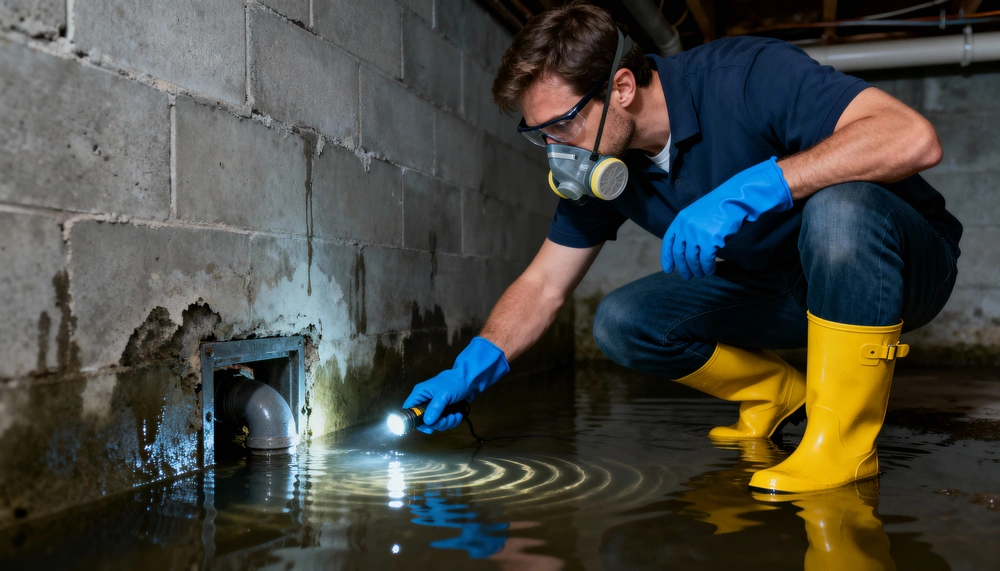
Comparing Causes: Sump Pump Failure vs Sewer Line Issues
The root causes of these two types of basement flooding are fundamentally different:
- Sump pump problems are usually related to heavy rainfall, rising groundwater, or equipment failure. Power outages, clogged discharge pipes, or mechanical breakdowns can all prevent the pump from working when it’s needed most.
- Sewer backups result from blockages in the main sewer line, municipal system overloads, or pipe collapses. Tree roots, grease buildup, and flushing inappropriate items are common culprits.
Recognizing the source of water intrusion is critical for choosing the right response and prevention strategy. While a malfunctioning sump pump leads to clear water flooding, a sewer backup introduces contaminated water, requiring different cleanup protocols.
Signs and Symptoms: How to Tell the Difference
It’s important to quickly identify whether you’re dealing with a sump pump issue or a sewer backup. Here are some telltale signs:
- Sump pump failure often results in clear or slightly muddy water pooling around the sump pit or basement floor, especially after rain.
- Sewer backups typically involve foul odors, slow drains throughout the house, gurgling toilets, and dark, contaminated water coming up from floor drains or lower-level fixtures.
If you notice any of these symptoms, act quickly to minimize damage and health risks. For more on emergency flood protection, see our guide to temporary flood protection systems.

Prevention Strategies for Both Threats
While the risks are different, proactive steps can help you avoid both types of flooding:
- Sump pump maintenance: Test your pump regularly, keep the pit clean, and consider a battery backup system in case of power outages.
- Sewer line care: Avoid flushing wipes, grease, or other debris. Schedule periodic inspections and cleaning, especially in older homes or those with large trees nearby.
- Install backwater valves: These devices prevent sewage from flowing back into your home during municipal overloads.
- Upgrade flood protection: Products like flood shields for doors and flood vents installation can help keep water out during severe weather.
- Monitor for leaks: Early detection with water leak sensors can alert you before minor issues become major disasters.
For more on the latest innovations in flood prevention, explore technologies that are combatting flood risks around the world.
Cleanup and Restoration: What to Do After Water Damage
The cleanup process depends on the type of flooding:
- After a sump pump failure: Remove standing water with a wet/dry vacuum or pump, dry out the area with fans and dehumidifiers, and disinfect surfaces to prevent mold.
- After a sewer backup: Call professionals immediately. Sewage contains harmful bacteria and viruses. Specialized cleaning, disinfection, and sometimes removal of contaminated materials are necessary.
Always document the damage for insurance claims and consult your policy to understand what’s covered. Some policies require separate riders for sewer backup protection.
Long-Term Protection and Modern Solutions
Investing in long-term solutions can save money and stress in the future. Consider these options:
- Automatic shutoff valves: These smart devices can detect leaks and shut off your water supply automatically, reducing the risk of extensive damage.
- Routine inspections: Schedule regular checks of your sump pump, sewer lines, and plumbing system.
- Emergency preparedness: Keep a plan in place for quick response, including access to water leak detectors and contact information for restoration professionals.
- Additional resources: For tips on avoiding burst pipes, see our article on burst pipe flood prevention.
FAQ
How can I tell if my basement flooding is from a sump pump failure or a sewer backup?
Look for the color and smell of the water. Clear or slightly muddy water, especially after rain, usually points to a sump pump issue. Dark, foul-smelling water coming from drains or toilets is a sign of a sewer backup. If you’re unsure, consult a professional to identify the source.
What maintenance should I perform to prevent both problems?
Test your sump pump every few months, keep the pit clean, and check for power supply issues. For sewer lines, avoid flushing non-degradable items and schedule periodic inspections. Installing a backwater valve and a battery backup for your pump can also help.
Are both types of water damage covered by homeowners insurance?
Not always. Standard policies often cover sump pump failures but may exclude sewer backups unless you have a specific rider. Review your policy and consider adding extra coverage if you live in a high-risk area.
What are some new technologies for flood prevention?
Smart water leak detectors, automatic shutoff valves, and advanced flood barriers are now available for homeowners. These tools can provide early warnings and minimize damage, making them valuable additions to your flood prevention strategy.




