Persistent water seepage through foundation walls is a common concern for homeowners, especially in regions with heavy rainfall or poor drainage. This problem can lead to damp basements, mold growth, and even structural damage if left unaddressed. Understanding the causes and effective solutions is essential for maintaining a dry, healthy home.
In this article, you’ll find practical steps to identify, prevent, and repair unwanted moisture intrusion. Whether you’re dealing with minor dampness or significant leaks, the following guidance will help you protect your property and avoid costly repairs. If you’re interested in related home maintenance topics, you might also find value in our guide on how to sanitize a cast iron press.

Understanding the Causes of Foundation Water Intrusion
Before tackling the issue, it’s important to understand why moisture finds its way through your foundation. The most common causes include:
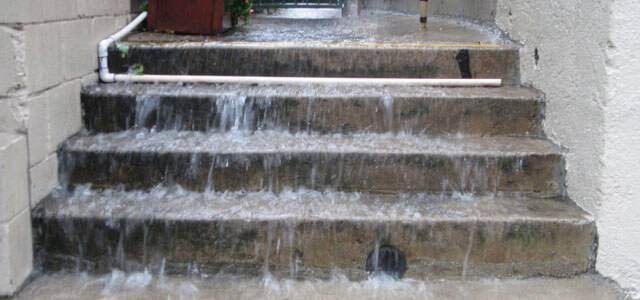
- Poor exterior drainage—Improper grading or clogged gutters can direct rainwater toward your home instead of away from it.
- Cracks in foundation walls—Even small fissures can allow water to seep through, especially during periods of heavy rain or snowmelt.
- Hydrostatic pressure—When soil around your home becomes saturated, the pressure can force water through weak points in the foundation.
- Faulty window wells or basement windows—Improperly sealed or aging windows can be a direct entry point for moisture.
- Plumbing leaks—While less common, interior leaks can mimic the symptoms of exterior seepage.
Identifying the root cause is the first step toward a lasting solution. Sometimes, a combination of factors may be at play, requiring a multi-pronged approach.
Signs That You Have Water Entering Your Foundation
Recognizing the early warning signs of water seepage through foundation walls can help you act before major damage occurs. Look for:
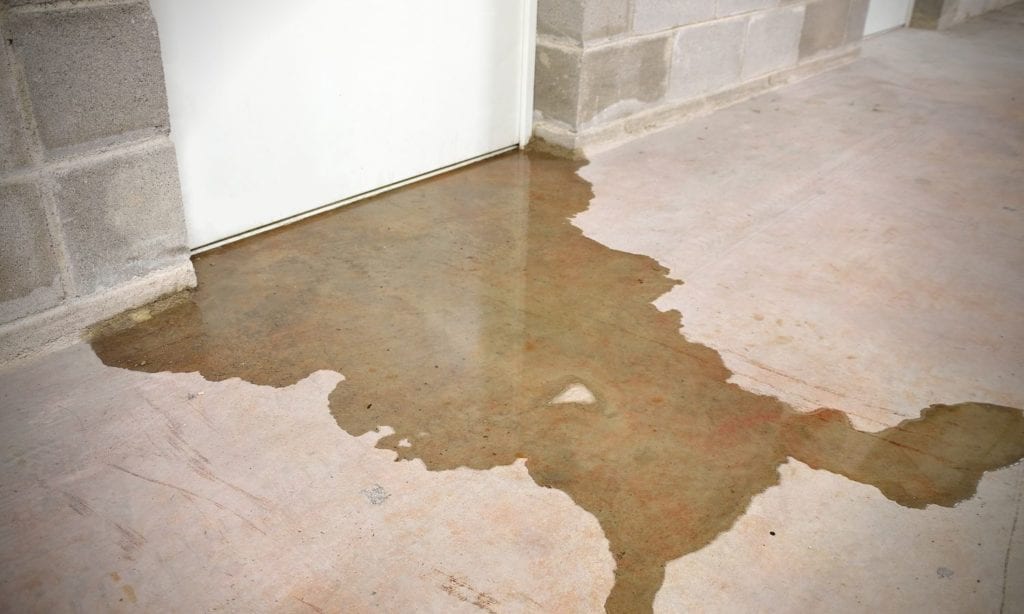
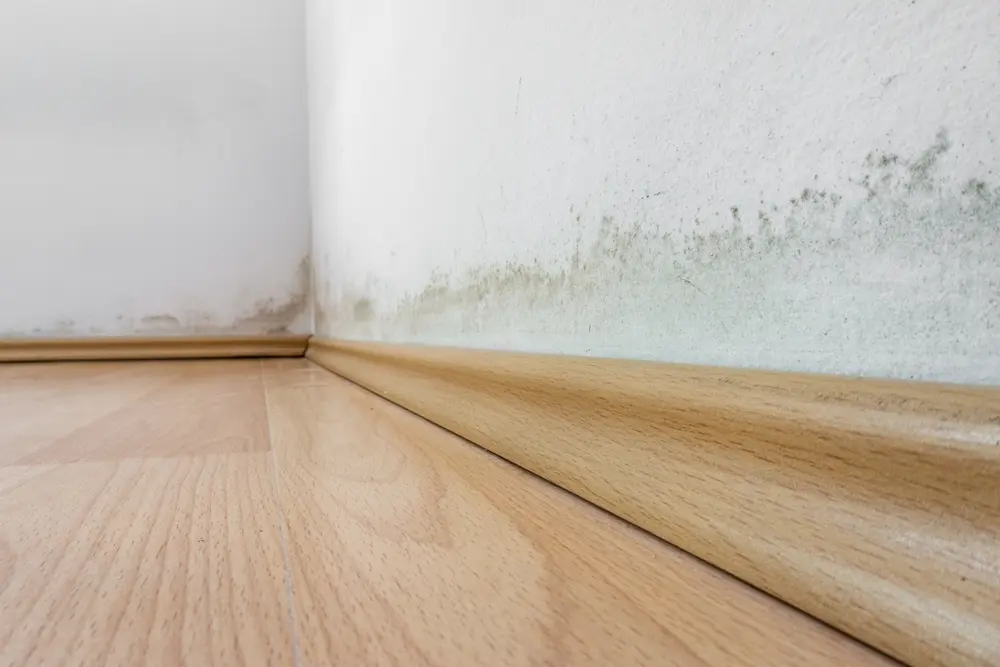
- Damp spots or discoloration on basement walls or floors
- Efflorescence—a white, powdery residue left by evaporated water
- Mold or mildew odors, especially after rain
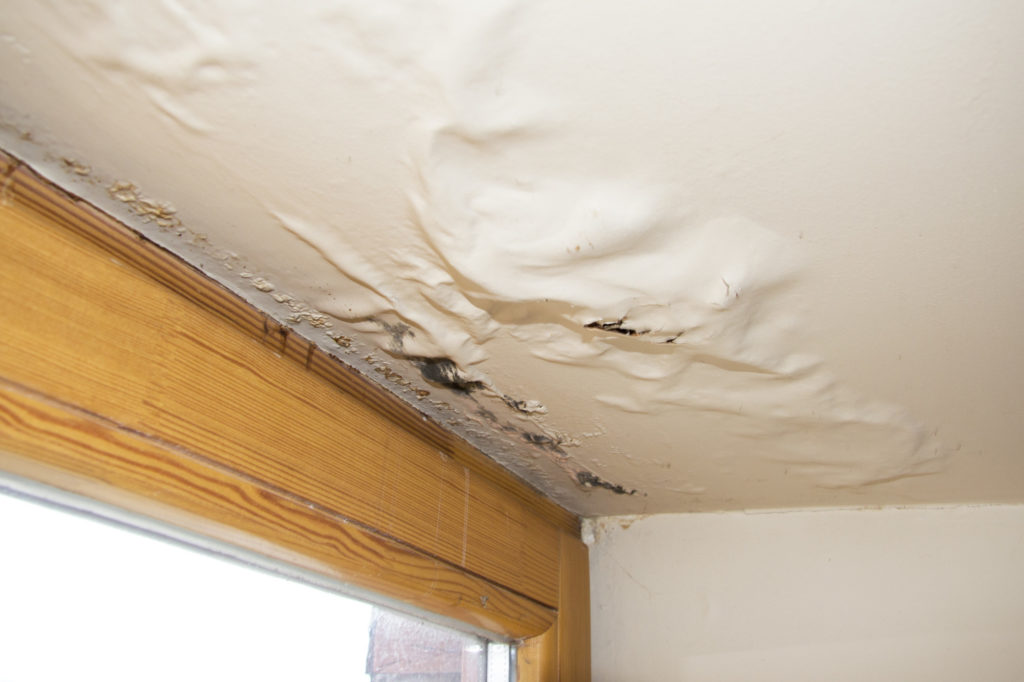
- Peeling paint or wallpaper
- Visible cracks or bulges in the foundation
If you notice any of these symptoms, it’s wise to inspect your home thoroughly and consider professional evaluation for a more accurate diagnosis.
Effective Solutions for Preventing Water Intrusion
Addressing foundation moisture problems requires a combination of exterior and interior strategies. Here are some proven methods:
Improve Exterior Drainage
- Extend downspouts at least 6 feet from your foundation to keep roof runoff away from the base of your home.
- Ensure the soil slopes away from the house, ideally at a rate of 6 inches over the first 10 feet.
- Clean gutters regularly to prevent overflow and pooling near the foundation.
- Install French drains or swales if your yard tends to collect water.
Seal Foundation Cracks and Joints
- Use hydraulic cement or epoxy injections to fill visible cracks in basement walls.
- Apply waterproof coatings or sealants to interior foundation surfaces for added protection.
- Check and reseal window wells and basement windows as needed.
Install or Upgrade a Sump Pump System
A sump pump can be a reliable defense against rising groundwater. If you already have one, test it regularly and consider a battery backup for power outages. For homes without a sump pump, professional installation may be a worthwhile investment.
Interior Drainage Solutions
In severe cases, installing an interior perimeter drain (also known as a French drain) along the basement floor can redirect water to a sump pump. This solution is often used when exterior excavation is impractical.
Long-Term Maintenance to Prevent Recurrence
Once you’ve addressed immediate issues, ongoing maintenance is key to keeping your basement dry. Here are some tips:
- Inspect your foundation and basement for new cracks or dampness at least twice a year.
- Maintain landscaping to ensure proper grading and avoid planting water-loving shrubs too close to the house.
- Check for plumbing leaks and repair them promptly.
- Use a dehumidifier in the basement to control humidity and discourage mold growth.
- Consider installing a water leak detector for early warning of future problems.
When to Call a Professional for Foundation Moisture Issues
While many minor seepage problems can be handled by homeowners, there are situations where professional help is necessary:
- Persistent or worsening leaks despite your best efforts
- Large or expanding cracks in foundation walls
- Signs of structural movement, such as bowing walls or uneven floors
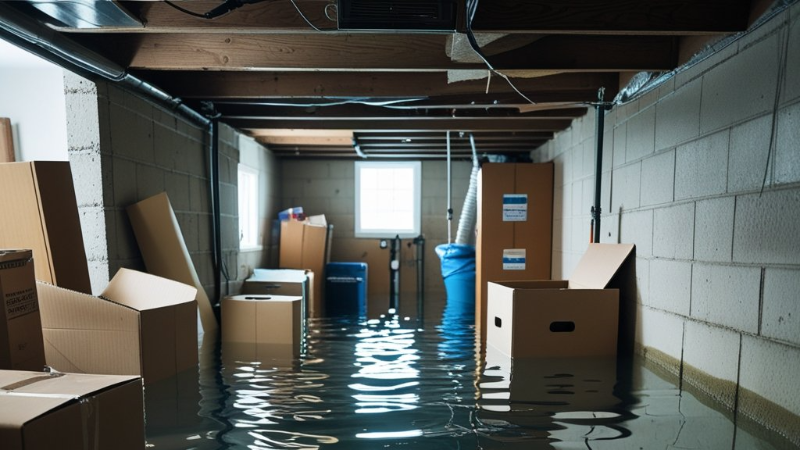
- Extensive mold growth or water damage
Foundation repair specialists can assess the situation, recommend targeted solutions, and ensure that repairs are performed safely and effectively.
For more comprehensive information on flood prevention and risk reduction, consider reading this expert guide to preventing flooding.
Frequently Asked Questions
What is the most effective way to keep water out of my basement?
The most effective approach combines proper exterior drainage, sealing foundation cracks, and installing a sump pump if necessary. Regular maintenance and early detection are also crucial to prevent future issues.
Can I fix foundation water seepage myself, or do I need a professional?
Small cracks and minor dampness can often be managed with DIY solutions like sealants and improved drainage. However, persistent leaks, large cracks, or signs of structural damage should be evaluated by a professional.
How can I tell if water is coming from outside or inside my foundation?
Exterior seepage usually appears after rain or snowmelt and is often found along walls or floors. Interior sources, like plumbing leaks, may be constant or appear even in dry weather. Monitoring when and where moisture appears can help you pinpoint the source.
Conclusion
Dealing with water seepage through foundation walls can be challenging, but with the right knowledge and proactive steps, you can safeguard your home. Focus on identifying the source, improving drainage, sealing entry points, and maintaining your property to prevent future problems. Early intervention not only protects your investment but also ensures a healthier living environment for you and your family.