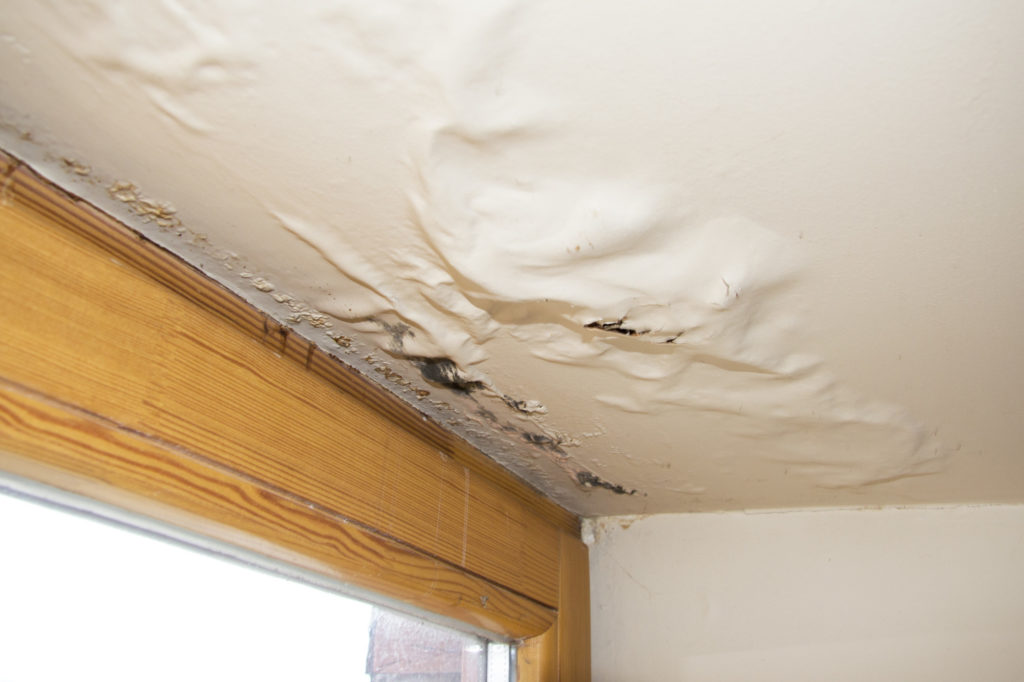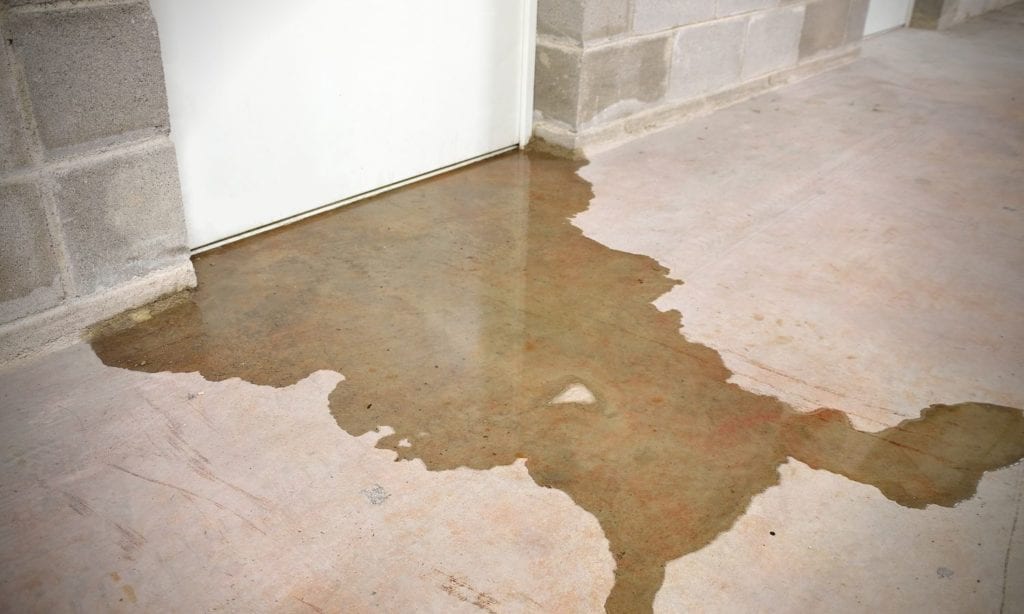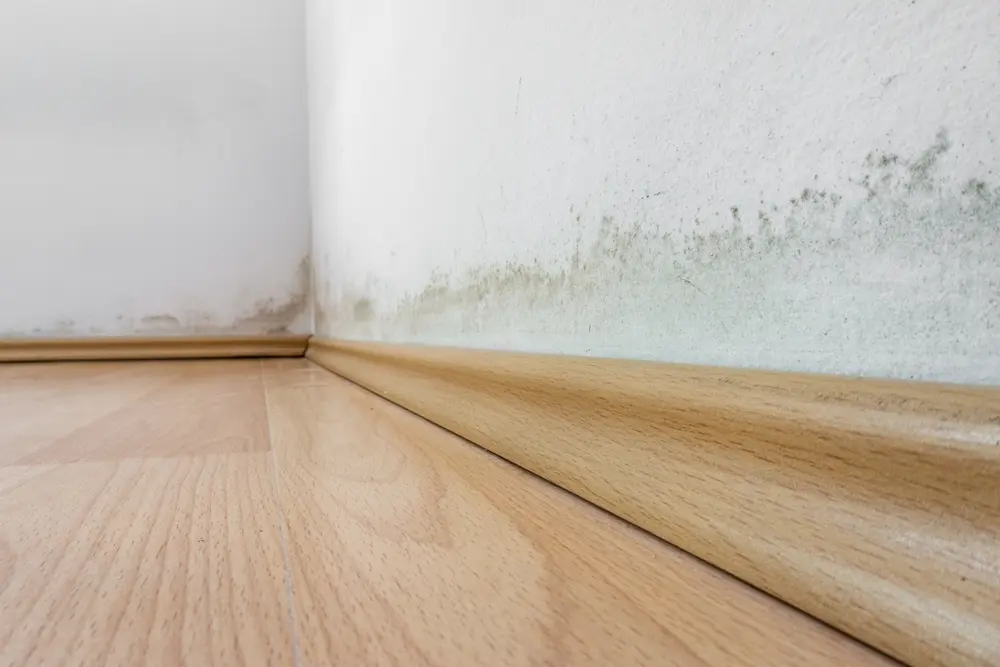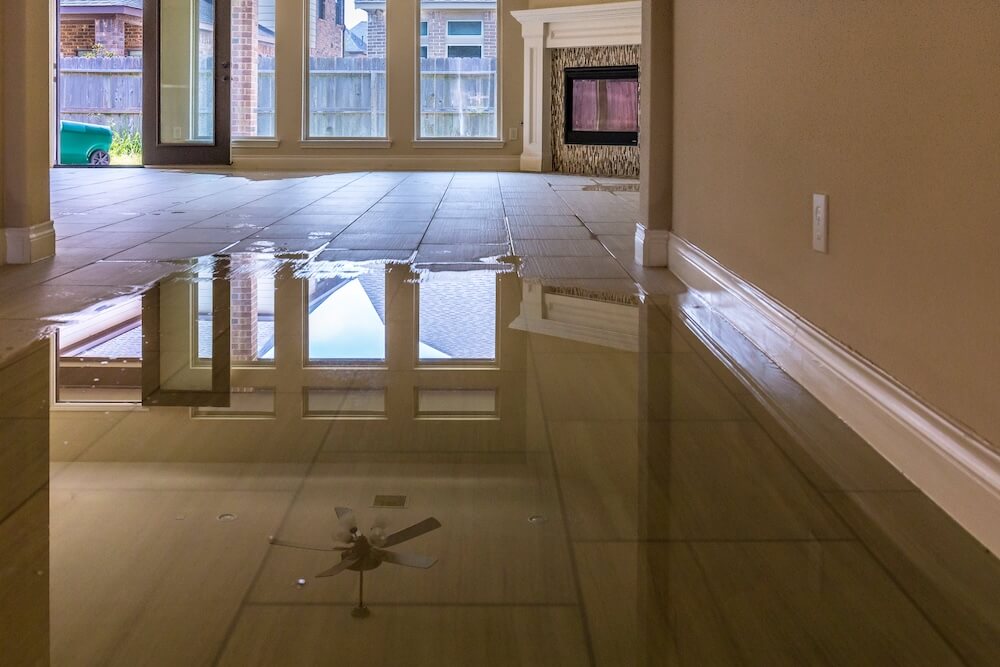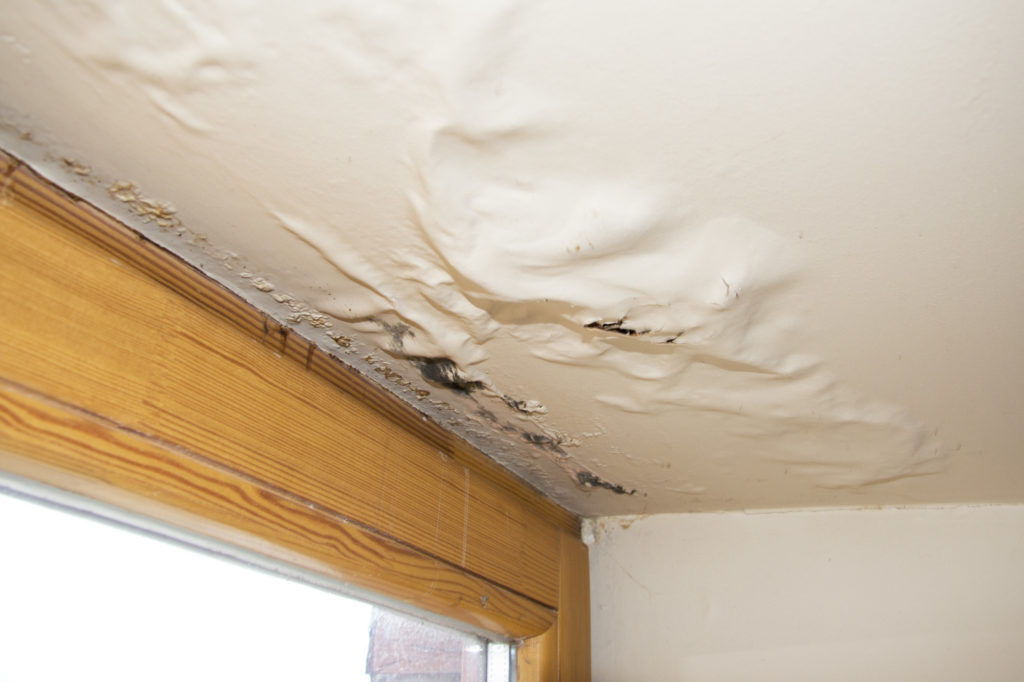
Water damage can be a costly and disruptive issue for both homeowners and businesses. With the growing adoption of smart water sensors, it has become easier than ever to detect leaks early and prevent extensive property damage. This article offers a comprehensive look at how these intelligent devices work, their benefits, and how to choose and install them for optimal protection.
As technology advances, the ability to monitor water usage and detect leaks remotely has become accessible to more people. If you’re interested in other smart home technologies, you might also find our guide on how to sanitize a cast iron press useful for maintaining kitchen tools.
Understanding How Smart Water Sensors Work
At their core, smart water sensors are designed to detect the presence of water in areas where it shouldn’t be. These devices use a combination of moisture sensors, temperature gauges, and sometimes even flow meters to monitor for unusual activity. When a leak or abnormal moisture level is detected, the sensor sends an alert to your smartphone or connected hub, allowing you to take action before the problem escalates.
Many modern leak detectors are wireless and battery-powered, making them easy to install in hard-to-reach locations such as under sinks, behind toilets, or near water heaters. Some advanced models can even integrate with home automation systems, enabling automatic shutoff of the water supply when a leak is detected.
Key Benefits of Using Leak Detection Technology
The advantages of installing smart water sensors go beyond simple leak detection. Here are some of the most significant benefits:
- Early Warning: Receive instant notifications on your phone or smart device when water is detected, allowing for rapid response.
- Reduced Water Damage: By catching leaks early, you can minimize costly repairs and prevent mold growth.
- Lower Insurance Costs: Some insurance providers offer discounts for homes equipped with leak detection systems.
- Peace of Mind: Monitor your property remotely, even when you’re away on vacation or business trips.
- Integration with Smart Homes: Many sensors work seamlessly with platforms like Alexa, Google Home, or Apple HomeKit.
Types of Smart Water Sensors and Their Features
There are several types of water leak detectors available, each suited to different needs and environments. Understanding the options can help you select the right device for your property.
- Spot Leak Detectors: These are placed in specific locations and trigger an alert when water touches their sensors.
- Rope-Style Sensors: Designed for larger areas, these use a cable or rope that senses moisture along its entire length.
- Flow-Based Sensors: Installed on the main water line, these monitor water usage patterns and detect anomalies that may indicate a leak.
- Temperature Sensors: Some models include temperature monitoring to alert you to freezing conditions that could cause burst pipes.
Choosing the Right Leak Detector for Your Needs
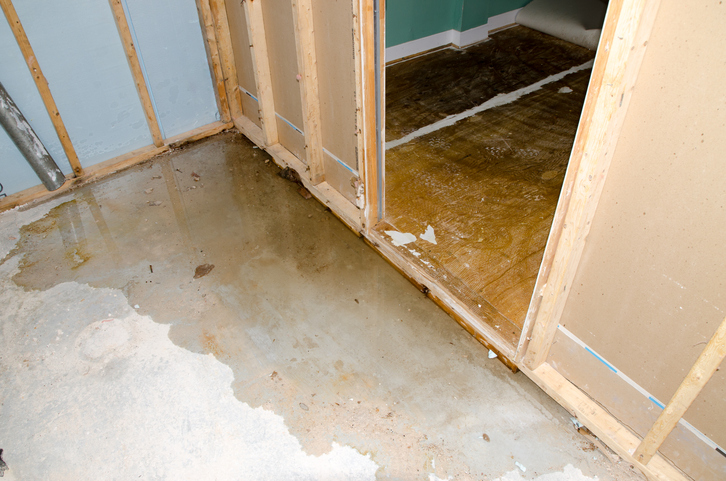
Selecting the most suitable water sensor depends on several factors, including the size of your property, the areas most at risk, and your desired level of automation. For small apartments, a few spot sensors may suffice, while larger homes or commercial spaces might benefit from a combination of rope sensors and flow-based systems.
Consider the following when making your choice:
- Connectivity: Do you want a device that connects via Wi-Fi, Zigbee, or Z-Wave?
- Power Source: Battery-powered models offer flexibility, while hardwired units provide continuous operation.
- Integration: Check compatibility with your existing smart home ecosystem.
- Alert Methods: Look for options that provide push notifications, emails, or even phone calls.
- Automatic Shutoff: Some advanced systems can automatically turn off your water supply to prevent further damage.
Installation Tips for Smart Water Sensors
Proper placement and installation are key to maximizing the effectiveness of your leak detection system. Here are some tips to get started:
- Install sensors in high-risk areas such as under sinks, near water heaters, behind toilets, and around appliances like washing machines and dishwashers.
- For rope-style sensors, lay the cable along the floor in basements or crawl spaces where leaks are likely to go unnoticed.
- Test each sensor after installation to ensure it sends alerts as expected.
- Regularly check batteries and replace them as needed to maintain reliable operation.
- Review your device’s app or dashboard to customize alert settings and notification preferences.
Best Practices for Preventing Water Damage
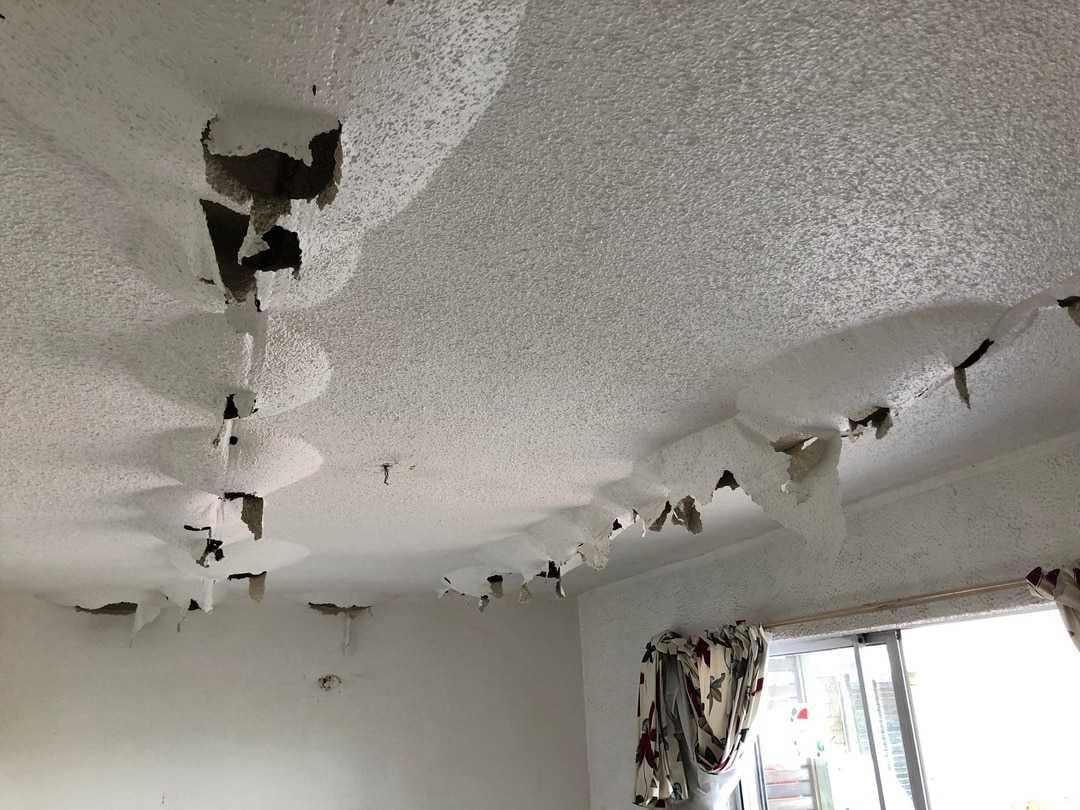
While technology plays a crucial role in leak prevention, combining sensors with good maintenance habits provides the best protection. Inspect plumbing regularly, repair small leaks promptly, and insulate pipes in cold climates to prevent freezing. For more tips, see these best practices to protect your home while you are away.
Additionally, consider integrating your leak detection system with other smart home devices for a comprehensive approach to home safety. This can include pairing with smart thermostats, security cameras, or even automated shutoff valves.
Frequently Asked Questions
Where should I place water leak sensors for maximum protection?
Place sensors in areas most prone to leaks, such as under sinks, near water heaters, behind toilets, and around appliances like washing machines and dishwashers. Basements and crawl spaces are also common locations for hidden leaks.
Can smart water sensors help lower my insurance premiums?
Many insurance companies recognize the value of early leak detection and may offer discounts for properties equipped with these devices. Check with your provider to see if you qualify for reduced premiums.
Do I need professional installation for leak detectors?
Most modern water sensors are designed for easy DIY installation. However, if you choose a flow-based system that connects to your main water line, professional installation may be recommended for safety and optimal performance.
How do I maintain my water leak sensors?
Regularly test your sensors to ensure they are working properly, replace batteries as needed, and keep the devices clean and free of dust or debris. Review your app settings to confirm you are receiving alerts.
Conclusion
Investing in smart water sensors is a proactive step toward safeguarding your property from costly water damage. By understanding the different types of sensors, their features, and best installation practices, you can create a robust leak prevention system tailored to your needs. Combine these devices with regular maintenance and smart home integration for the highest level of protection and peace of mind.