Maintaining the right moisture levels inside your home is essential for comfort, health, and the longevity of your property. Excessive humidity can lead to mold growth, dust mites, and even structural damage. Whether you live in a humid climate or simply want to prevent moisture-related issues, understanding how to keep indoor humidity low is crucial for a healthy living environment.
This article explores practical steps, effective tools, and expert tips to help you manage moisture indoors. From simple habits to advanced solutions, you’ll find actionable advice for every type of home. For those interested in related home care topics, you might also enjoy our guide on how to sanitize a cast iron press, which covers best practices for maintaining kitchen tools and surfaces.
Why Managing Indoor Moisture Matters
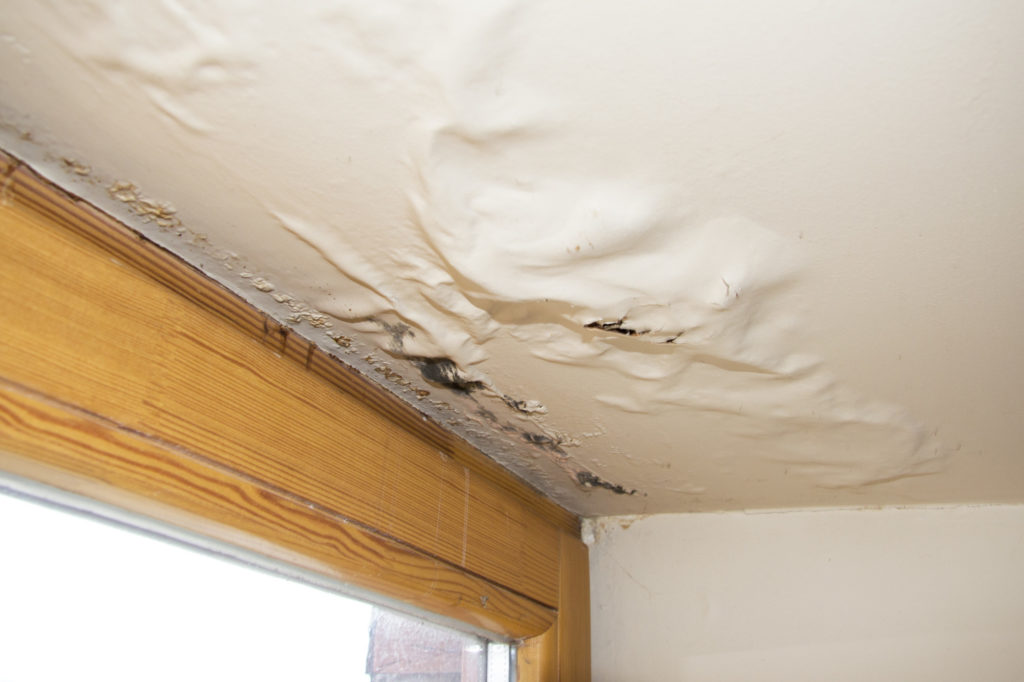
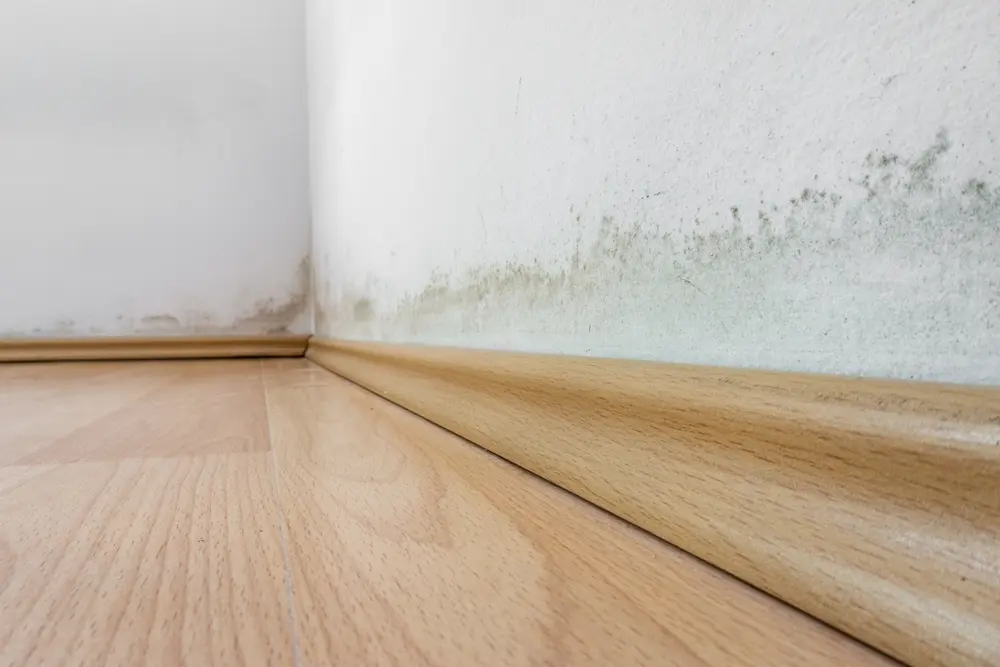
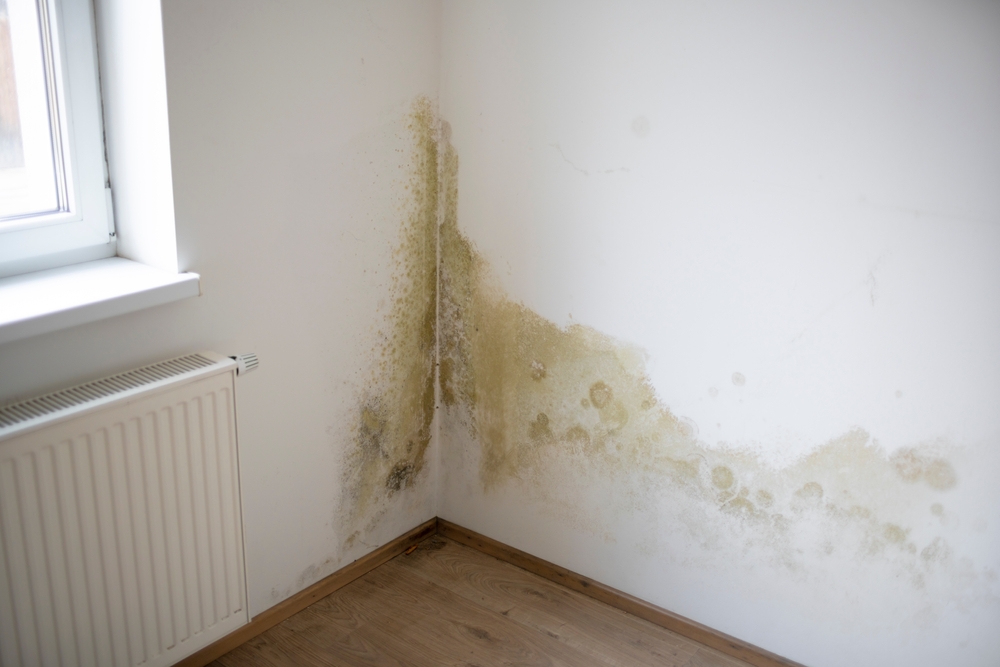
High humidity indoors can cause a range of problems, including musty odors, peeling paint, warped wood, and increased allergens. Mold and mildew thrive in damp conditions, posing health risks, especially for people with allergies or respiratory issues. Keeping moisture under control not only protects your home but also improves air quality and comfort.
Common Causes of Excess Humidity
Before tackling the issue, it’s helpful to know what contributes to elevated moisture levels inside. Some of the most frequent sources include:
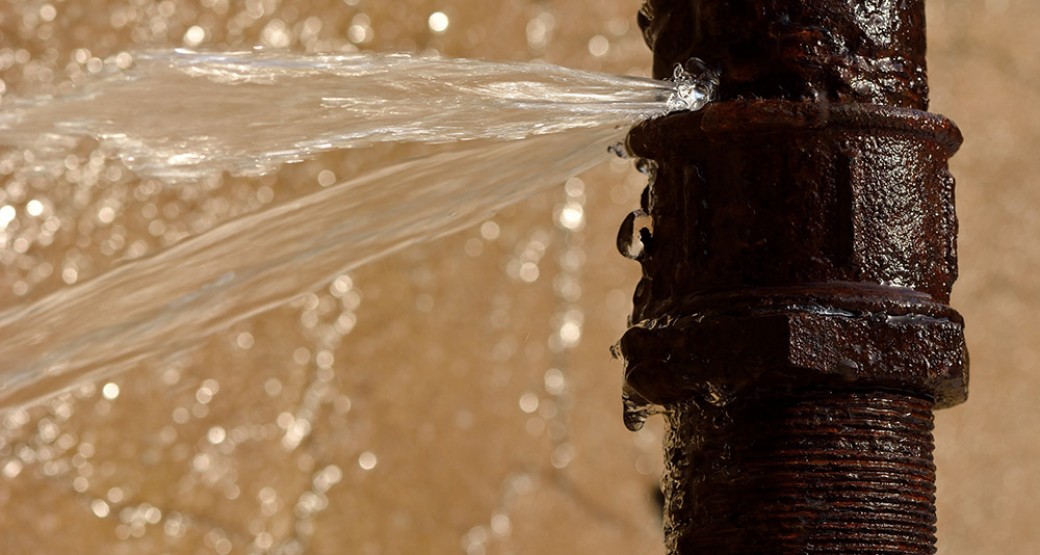
- Leaking pipes or appliances
- Poor ventilation in bathrooms and kitchens
- Drying clothes indoors
- Unsealed windows and doors
- Overwatering houseplants
- Basement or crawl space dampness
Effective Strategies for Reducing Humidity Indoors
There are several proven methods to lower moisture in your home. The following sections outline both quick fixes and long-term solutions.
Improve Ventilation for Better Airflow
One of the simplest ways to manage moisture is by increasing airflow. Use exhaust fans in bathrooms and kitchens whenever you cook or shower. Open windows when weather permits to allow fresh air to circulate. For rooms without windows, consider installing a mechanical ventilation system to move humid air outside.
Use Dehumidifiers and Air Conditioners
Dehumidifiers are designed to extract excess moisture from the air, making them ideal for basements, laundry rooms, and other damp spaces. Air conditioners also help by cooling and drying the air during warm months. Regularly empty and clean your dehumidifier’s reservoir to prevent mold buildup.

Fix Leaks and Address Water Intrusion
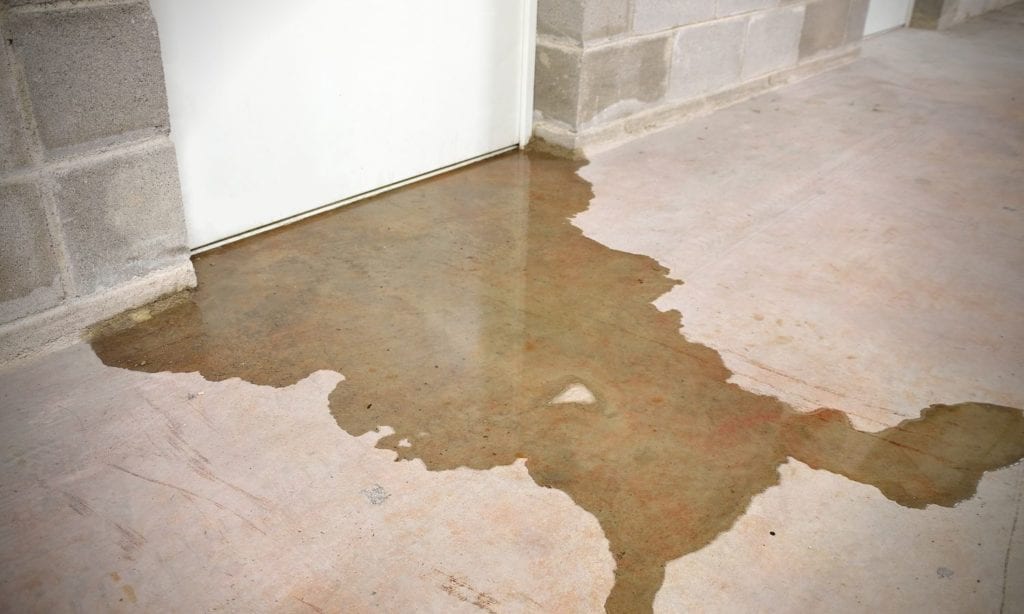
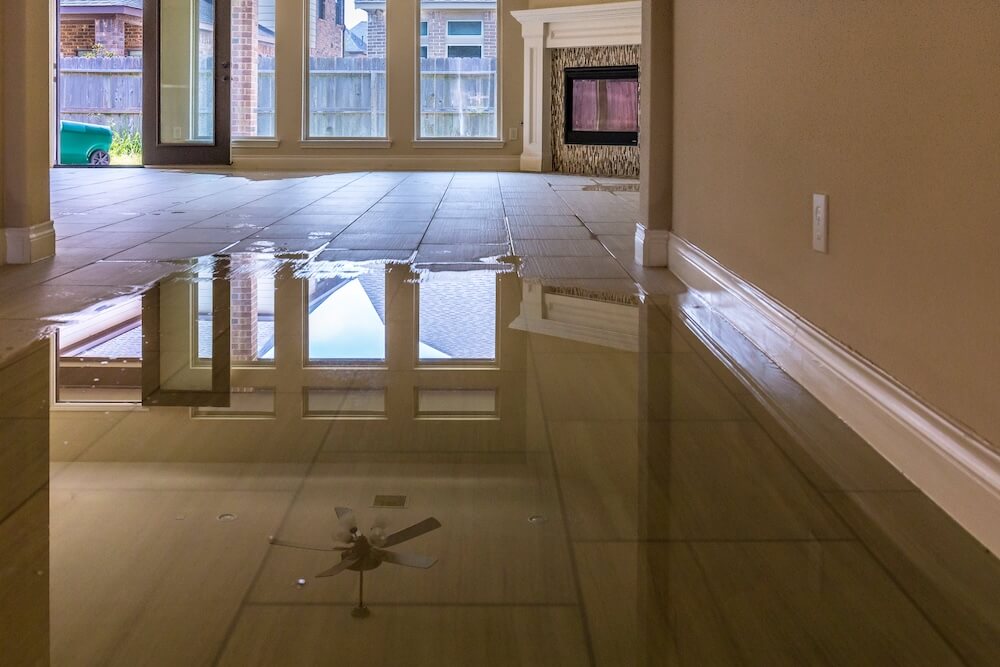
Even small leaks can contribute significantly to indoor moisture. Regularly inspect pipes, faucets, appliances, and your roof for signs of leaks. Repair any issues promptly. Installing leak detectors can provide early warnings and help prevent water damage. For more on preventing water-related issues, see this comprehensive guide to water mitigation.
Seal Windows, Doors, and Foundations
Gaps around windows and doors allow humid outdoor air to enter your home. Use weatherstripping and caulk to seal these openings. In basements, check for cracks in the foundation and repair them with appropriate sealants. These steps help keep outside moisture from seeping indoors and make your home more energy efficient.
Manage Indoor Activities That Add Moisture
Everyday activities can raise humidity levels. To minimize their impact:
- Dry clothes outdoors or use a vented dryer
- Cover pots when cooking to reduce steam
- Limit the number of houseplants in humid rooms
- Take shorter, cooler showers
Monitor Humidity Levels Regularly
Invest in a hygrometer to track indoor humidity. The ideal range is between 30% and 50%. If levels consistently exceed this, take action using the steps outlined above. Monitoring helps you spot trends and address issues before they escalate.
Long-Term Solutions for Moisture Control
For persistent humidity problems, consider these more permanent measures:
- Install a whole-house dehumidifier: These systems work with your HVAC to maintain optimal moisture throughout your home.
- Improve drainage around your property: Ensure gutters and downspouts direct water away from the foundation.
- Waterproof basements and crawl spaces: Use vapor barriers and sump pumps to keep these areas dry.
- Upgrade insulation: Proper insulation prevents condensation and helps regulate temperature and humidity.
Additional Tips for a Drier Home
- Regularly clean and maintain HVAC systems
- Store firewood and other moisture-absorbing materials outside
- Use moisture-absorbing products like silica gel or desiccant packs in closets and storage areas
- Keep gutters and downspouts clear to prevent water buildup near your home
By combining these strategies, you can create a healthier, more comfortable living space and protect your property from the effects of excess moisture. If you’re interested in more household maintenance tips, check out our article on how to store corn masa for pressing for practical advice on kitchen storage and freshness.
Frequently Asked Questions
What is the ideal indoor humidity level?
The recommended range for indoor humidity is between 30% and 50%. Levels above 60% can encourage mold growth and dust mites, while levels below 30% may cause dryness and discomfort.
How can I tell if my home is too humid?
Signs of high humidity include condensation on windows, musty odors, visible mold, peeling wallpaper, and increased allergy symptoms. Using a hygrometer provides an accurate measurement.
Are houseplants a problem for indoor moisture?
While houseplants can improve air quality, too many in a small space can raise humidity. Limit the number of plants in already damp rooms and avoid overwatering.
What should I do if I find a leak?
Address leaks as soon as possible by repairing the source and drying the affected area. Consider using leak detectors for early warning and consult a professional if the problem persists.
Can weather affect indoor humidity?
Yes, outdoor weather conditions can impact indoor moisture. Humid climates and rainy seasons often lead to higher indoor humidity, so adjust your strategies accordingly.