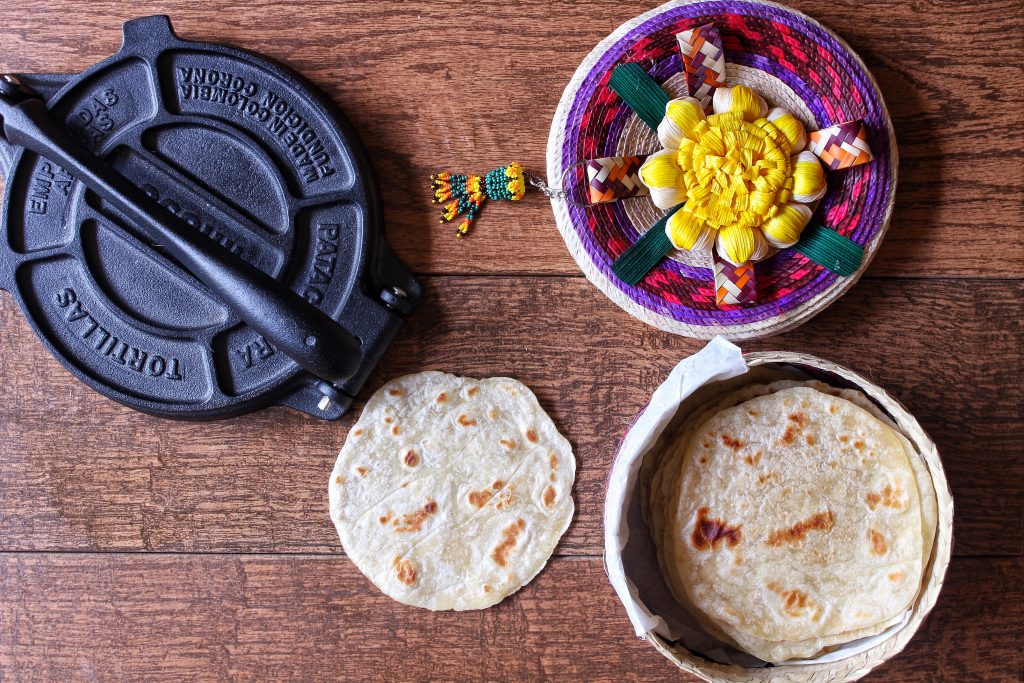
When it comes to making homemade tortillas, the debate between using a cast iron tortilla press vs rolling pin is a common one among home cooks and food enthusiasts. Each tool offers its own advantages, and the choice can significantly affect your tortilla-making experience. Whether you’re aiming for speed, consistency, or authenticity, understanding the differences between these two methods will help you decide which is best for your kitchen.
Before diving into the details, it’s important to consider factors like efficiency, ease of use, and the quality of the final product. If you’re new to tortilla making or looking to improve your results, you may also want to learn how thick should tortillas be pressed for the best texture and flavor.
Comparing the Tools: Press Versus Pin
Both the cast iron tortilla press and the rolling pin are traditional tools for flattening dough, but they serve the purpose in different ways. The press uses leverage and weight to quickly flatten dough balls into uniform rounds, while the rolling pin relies on manual pressure and technique.
Let’s break down the main differences between these two popular options:
- Speed: A tortilla press can flatten dough in seconds, making it ideal for large batches. Rolling pins require more time and effort for each tortilla.
- Consistency: Presses produce tortillas with even thickness, which is crucial for even cooking. Rolling pins can result in uneven edges or thickness if not used skillfully.
- Ease of Use: The press is straightforward and beginner-friendly. Rolling pins demand more practice to achieve perfect circles and uniformity.
- Storage and Maintenance: Rolling pins are generally lighter and easier to store. Cast iron presses require proper care to prevent rust and maintain performance. For guidance, see this cast iron tortilla press maintenance guide.
How a Cast Iron Tortilla Press Works
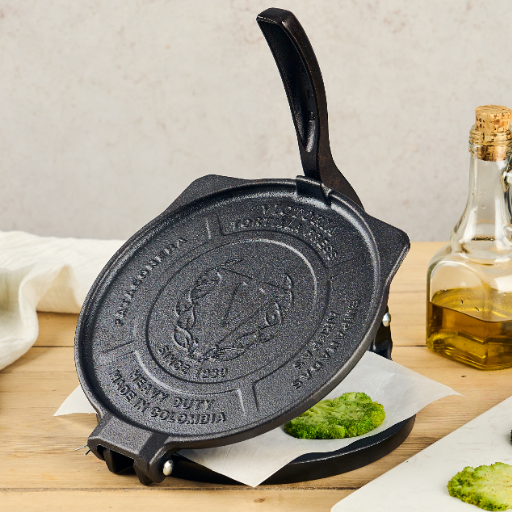
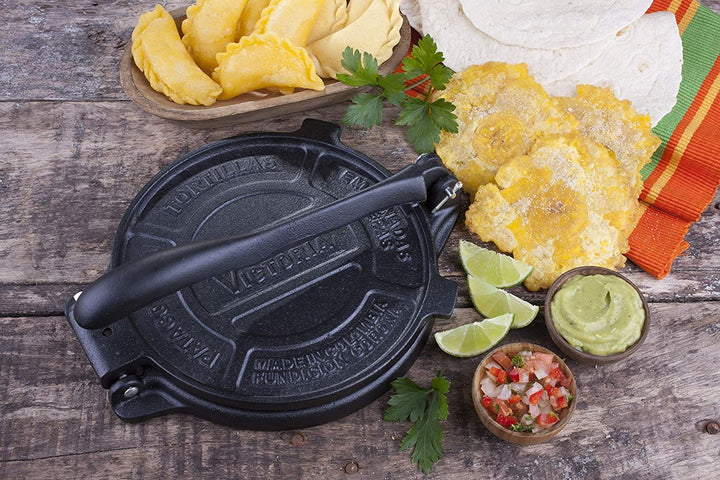
The cast iron tortilla press is a staple in many Mexican kitchens. It consists of two heavy plates connected by a hinge and a handle. To use it, you simply place a ball of dough between sheets of parchment or plastic, close the plates, and press down on the handle. The result is a perfectly round, flat tortilla ready for cooking.
This method is especially efficient for corn tortillas, which can be tricky to roll by hand due to their lack of gluten. The press’s weight and leverage make it easy to achieve the right thickness and shape every time. For tips on getting the best results, check out these tips for pressing corn tortillas.
Rolling Pin Technique: Pros and Cons
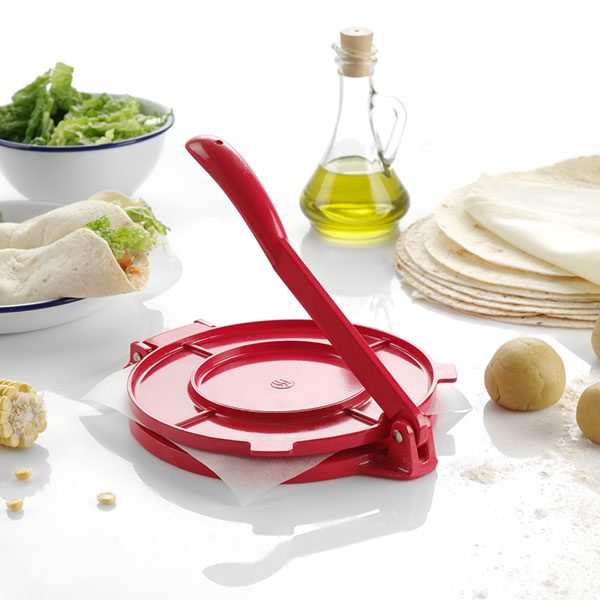
The rolling pin is a versatile kitchen tool that can be used for many types of dough, including tortillas. With this method, you roll out each ball of dough by hand, using even pressure to achieve the desired thickness and shape.
While this approach offers flexibility and doesn’t require special equipment, it can be time-consuming and requires a bit of skill. Achieving uniform tortillas takes practice, and it’s easy to end up with irregular shapes or uneven thickness. However, some cooks prefer the hands-on control and the ability to adjust each tortilla to their liking.
Efficiency and Results: Which Method Wins?
When comparing cast iron tortilla press vs rolling pin for efficiency, the press generally comes out ahead. It’s faster, produces consistent results, and is especially useful when making large batches. The rolling pin, on the other hand, is slower and more labor-intensive but offers greater flexibility for those who want to experiment with different shapes and sizes.
| Feature | Cast Iron Press | Rolling Pin |
|---|---|---|
| Speed | Very fast | Slower |
| Consistency | Uniform thickness | Varies by skill |
| Ease of Use | Beginner-friendly | Requires practice |
| Storage | Bulky, heavy | Compact, light |
| Maintenance | Needs care to prevent rust | Low maintenance |
| Best For | Corn tortillas, large batches | Small batches, flour tortillas |
Care and Longevity of Your Tools
A cast iron tortilla press can last a lifetime with proper care. It’s important to keep it clean and dry to prevent rust. For detailed instructions on upkeep, see this guide to storing a cast iron tortilla press. Rolling pins, especially wooden ones, should also be kept dry and occasionally oiled to prevent cracking.
For more information on cleaning and maintaining your press, the Victoria Cookware Use & Care guide offers helpful tips on seasoning and storage.
Choosing the Right Tool for Your Kitchen
Your choice between a press and a rolling pin will depend on your cooking style, available space, and the types of tortillas you prefer to make. If you value speed and consistency, especially for corn tortillas, a cast iron press is a smart investment. If you enjoy the process and want more control over the shape and thickness, a rolling pin might suit you better.
For those interested in making flour tortillas with a press, you can find helpful advice in this article on how to make flour tortillas with a press.
Frequently Asked Questions
Can I Use a Rolling Pin Instead of a Tortilla Press?
Yes, you can use a rolling pin to make tortillas, especially flour tortillas. However, it may be more difficult to achieve uniform thickness and perfectly round shapes compared to using a press.
Is a Cast Iron Press Better for Corn or Flour Tortillas?
Cast iron presses are particularly effective for corn tortillas, which are more challenging to roll by hand. They can also be used for flour tortillas, but some people prefer rolling pins for the extra flexibility.
How Do I Maintain a Cast Iron Tortilla Press?
To keep your press in top condition, clean it after each use, dry it thoroughly, and store it in a dry place. Regularly season the surface to prevent rust. For more details, refer to the cast iron tortilla press maintenance guide.
What Thickness Should My Tortillas Be?
The ideal thickness depends on the type of tortilla, but most are pressed to about 1/16 to 1/8 inch. For more guidance, see this article on how thick should tortillas be pressed.