
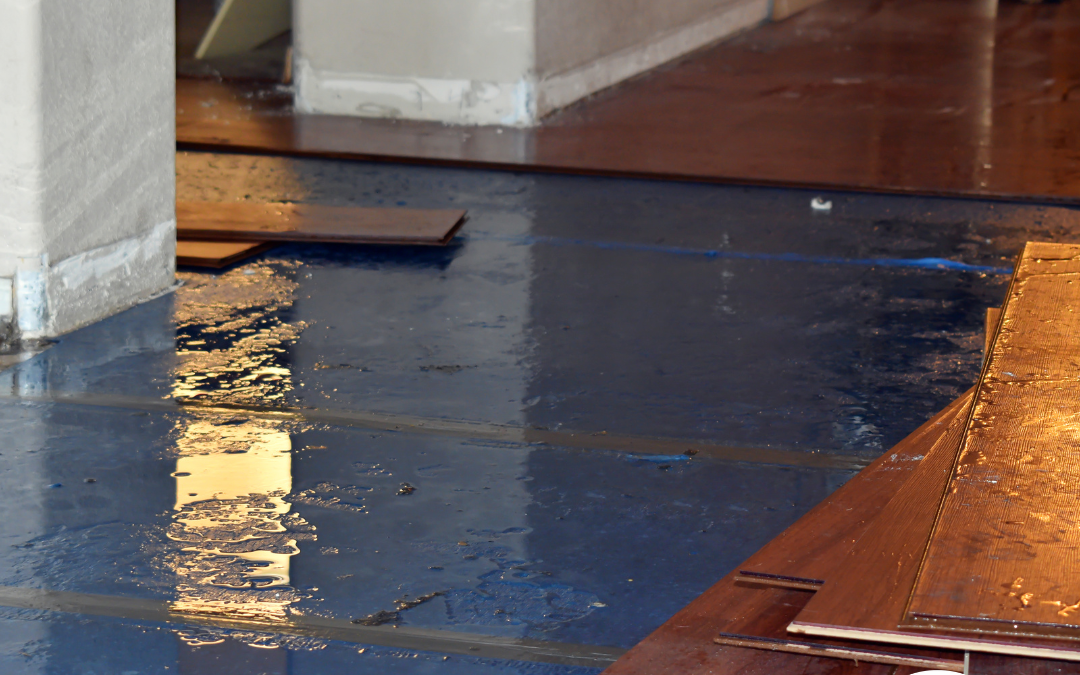
Attics are often overlooked when it comes to home maintenance, yet they play a crucial role in protecting your living space from the elements. Regularly checking this area for signs of moisture intrusion is essential for preventing costly repairs and maintaining a healthy home environment. This guide provides a step-by-step approach to identifying potential problems, understanding what to look for, and knowing when to take action.
If you’re interested in other practical home care tips, you might also find our article on how to sanitize a cast iron press helpful for keeping your kitchen tools in top shape.
Why Attic Moisture Problems Matter
Water issues in the attic can lead to a range of complications, including mold growth, weakened structural components, and insulation damage. Over time, these problems may impact indoor air quality and even cause visible stains or leaks in the rooms below. Addressing attic leaks early helps you avoid expensive repairs and maintain your home’s value.
Preparing for a Thorough Attic Inspection
Before you begin, gather the necessary tools for a safe and effective check. You’ll need a flashlight, protective gloves, a dust mask, and a sturdy ladder. If your attic is unfinished, wear shoes with good traction and step only on joists to avoid damaging the ceiling below.
- Flashlight: Essential for spotting dark or hidden areas where water may collect.
- Protective gear: Gloves and a mask protect against dust, insulation fibers, and potential mold spores.
- Ladder: Ensure it is stable and tall enough to reach the attic entrance safely.
Key Signs of Water Damage in the Attic
When examining your attic, look for these common indicators of moisture intrusion:
- Stained or discolored wood: Dark spots or streaks on rafters and sheathing often signal past or present leaks.
- Mold or mildew: Fuzzy or powdery patches, especially in corners or on insulation, suggest persistent dampness.
- Musty odors: A persistent earthy smell can indicate hidden mold growth.
- Warped or sagging materials: Wood or insulation that appears misshapen may have absorbed water.
- Wet insulation: Touch insulation in several spots; it should feel dry and fluffy, not damp or compressed.
- Visible leaks or drips: Active water entry during or after rain is a clear sign of a problem.

Step-by-Step Guide to Checking for Attic Leaks
-
Inspect the roof deck and rafters:
Use your flashlight to examine the underside of the roof for stains, streaks, or soft spots. Pay close attention to areas around chimneys, vents, and skylights, as these are common entry points for water.
-
Check insulation condition:
Gently move insulation aside to look for dampness or mold beneath. Wet insulation loses its effectiveness and may need to be replaced.
-
Look for daylight:
Turn off your flashlight and see if any sunlight is visible through the roof. Even small pinholes can allow water to seep in during storms.
-
Examine attic vents and fans:
Ensure that vents are not blocked and that fans are working properly. Poor ventilation can trap moisture and lead to condensation issues.
-
Check around plumbing stacks:
Pipes passing through the attic can be a source of leaks, especially if flashing is damaged or seals have deteriorated.
Common Causes of Attic Moisture Problems
Understanding what leads to water issues in the attic helps you prevent future problems. Some frequent culprits include:
- Roof damage: Missing or cracked shingles, damaged flashing, or ice dams can allow water to enter.
- Poor ventilation: Inadequate airflow can cause condensation, especially in colder climates.
- Plumbing leaks: Pipes running through the attic may develop leaks over time.
- Blocked gutters: Overflowing gutters can force water under the roof edge and into the attic space.
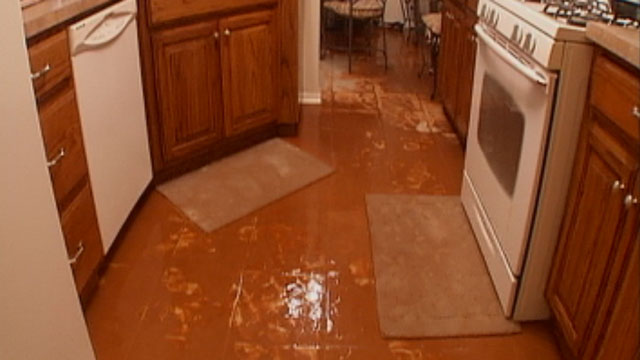
What to Do If You Find Water Issues in the Attic
If you discover signs of leaks or moisture, act quickly to minimize damage. Remove any wet insulation and allow the area to dry thoroughly. Identify and repair the source of the leak—this may involve patching the roof, replacing flashing, or improving ventilation. For extensive mold or structural issues, consult a professional.
For more detailed information on water damage and remediation, the International Association of Certified Home Inspectors’ guide to water damage offers additional insights and best practices.
Tips for Preventing Future Attic Water Damage
- Schedule annual roof inspections, especially after severe weather.
- Keep gutters and downspouts clear of debris to ensure proper drainage.
- Install or upgrade attic ventilation to reduce condensation risk.
- Monitor plumbing and HVAC systems that pass through the attic for leaks.
- Consider using leak detection devices for early warning of water problems.
FAQ: Attic Water Damage and Inspection
How often should I check my attic for water problems?
It’s recommended to inspect your attic at least twice a year—once in the spring and again in the fall. Additional checks after heavy storms or roof repairs are also wise.
Can I fix minor attic leaks myself?
Small leaks caused by missing shingles or minor flashing issues can sometimes be repaired by handy homeowners. However, if you notice widespread damage, mold, or structural concerns, it’s best to consult a professional.
What are the health risks of attic mold?
Mold in the attic can release spores into your home’s air, potentially causing respiratory issues, allergies, and other health problems—especially for those with asthma or weakened immune systems.
Taking the time to regularly check your attic for signs of moisture can save you from significant headaches down the road. By following these steps and addressing issues promptly, you can protect your home and your investment for years to come.




