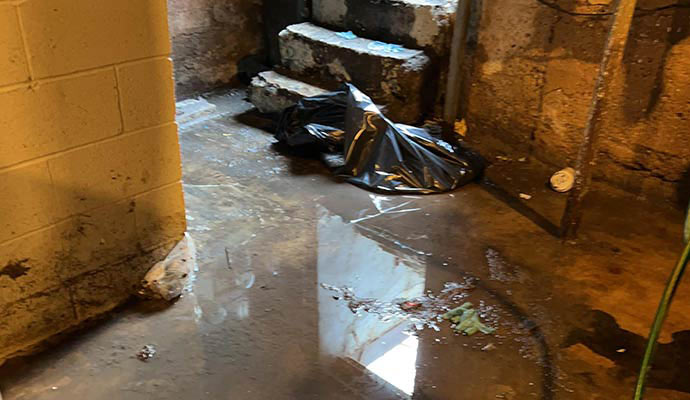
Flooding caused by rivers overflowing their banks can cause significant damage to homes and properties. Homeowners living near rivers or in flood-prone areas need to be proactive in safeguarding their residences against water intrusion and its aftermath. This guide provides practical advice and proven strategies for river flooding home protection, helping you minimize risks and recover more quickly if disaster strikes.
Understanding your flood risk, preparing your property, and knowing how to respond before, during, and after a flood are all essential steps. For those interested in broader urban flooding concerns, the article on urban home flood challenges offers additional context and solutions.
Assessing Your Flood Risk and Insurance Needs
The first step in protecting your home from river flooding is to understand your specific risk. Check flood maps and consult local authorities to determine if your property is in a high-risk area. Consider scheduling a home flood risk assessment to identify vulnerabilities and prioritize improvements.
Insurance is a critical component of any flood protection plan. Standard homeowners’ policies typically do not cover flood damage. Research your options and be aware of the flood insurance waiting period to ensure your coverage is effective when you need it most. Don’t fall for common misconceptions—review flood insurance myths to make informed decisions.
Physical Barriers and Property Modifications
There are several ways to physically protect your home from rising river waters. Consider these practical modifications:
- Install flood barriers or sandbags around doors, windows, and low entry points to block water entry.
- Seal foundation cracks and gaps in basement walls to prevent seepage.
- Elevate electrical systems and major appliances above expected flood levels.
- Grade your yard so water flows away from the foundation.
- Install sump pumps with battery backup to remove water quickly from basements or crawl spaces.
Early Warning Systems and Emergency Planning
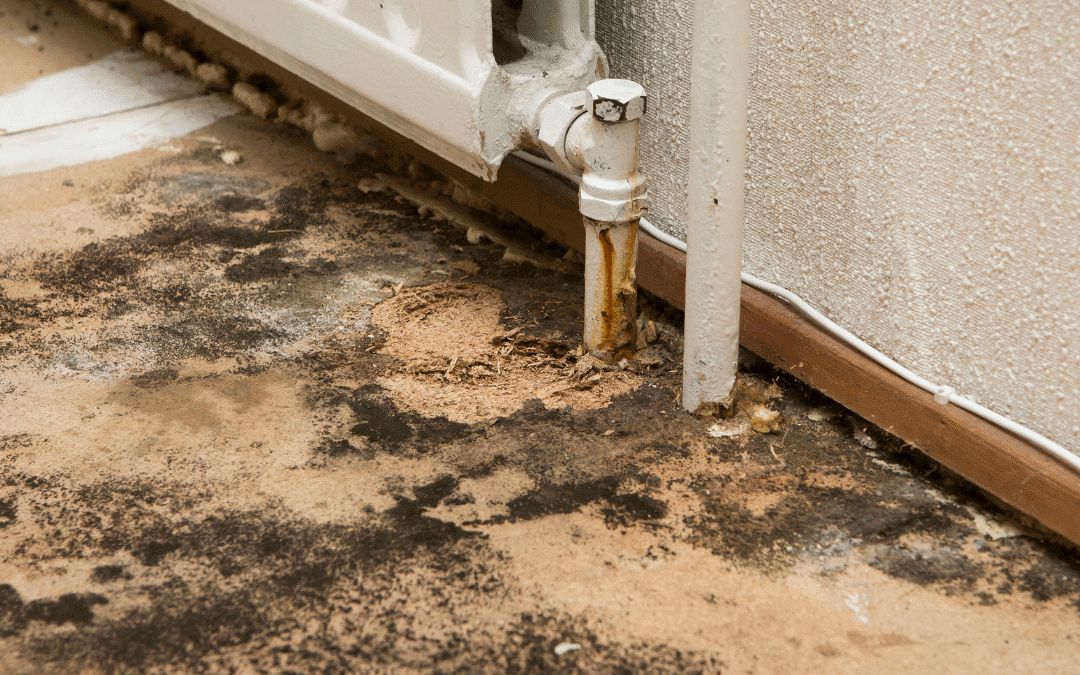
Timely alerts are crucial for effective river flooding home protection. Sign up for local flood warning services and install water leak detectors in vulnerable areas of your home. These devices can provide early notification of rising water, giving you precious time to act.
Develop a family emergency plan that includes evacuation routes, a communication strategy, and a checklist of essential items. Store important documents in waterproof containers and keep emergency supplies—such as flashlights, batteries, and first aid kits—readily accessible.
Protecting Your Basement and Lower Levels
Basements are especially susceptible to water damage during river floods. To minimize risk:
- Use water-resistant materials for flooring and walls.
- Install backflow valves to prevent sewage backups.
- Keep valuable items and electronics off the ground or in waterproof bins.
- Regularly inspect and maintain sump pumps and drainage systems.
Cleaning Up and Preventing Mold After a Flood
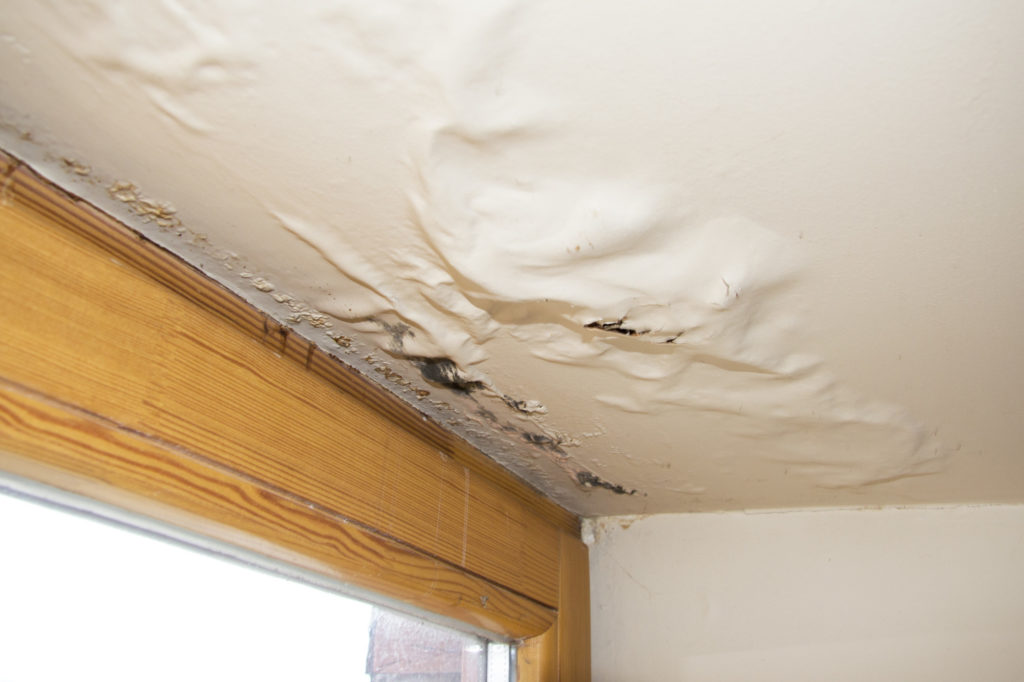
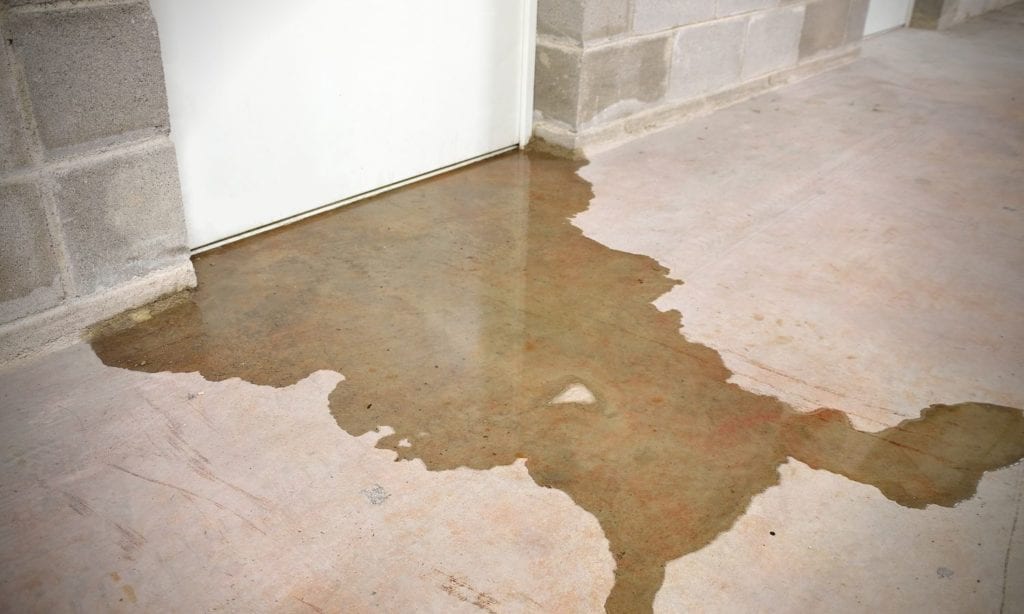
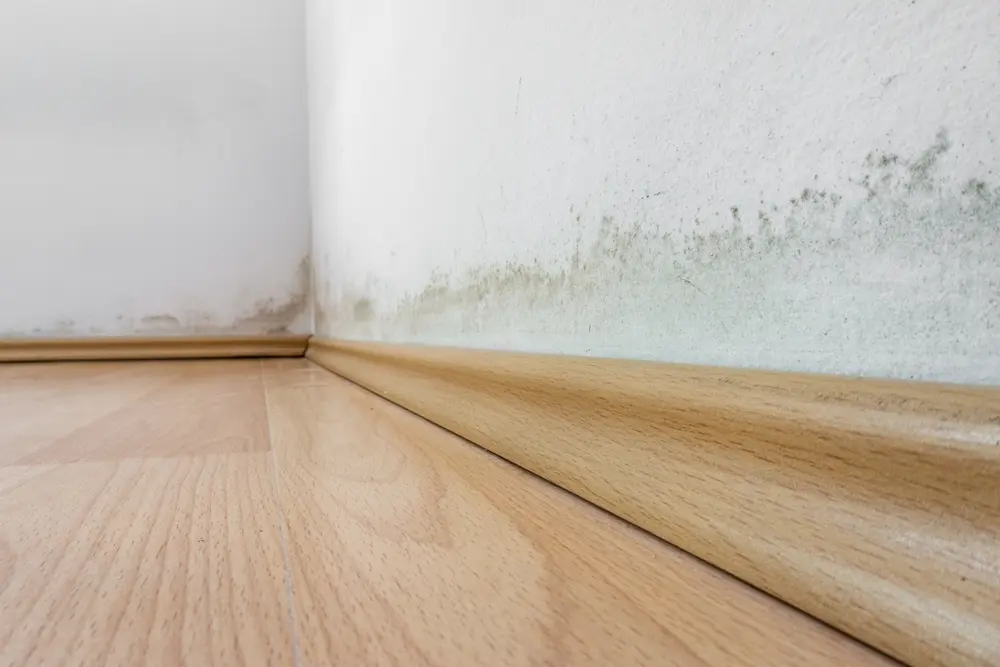
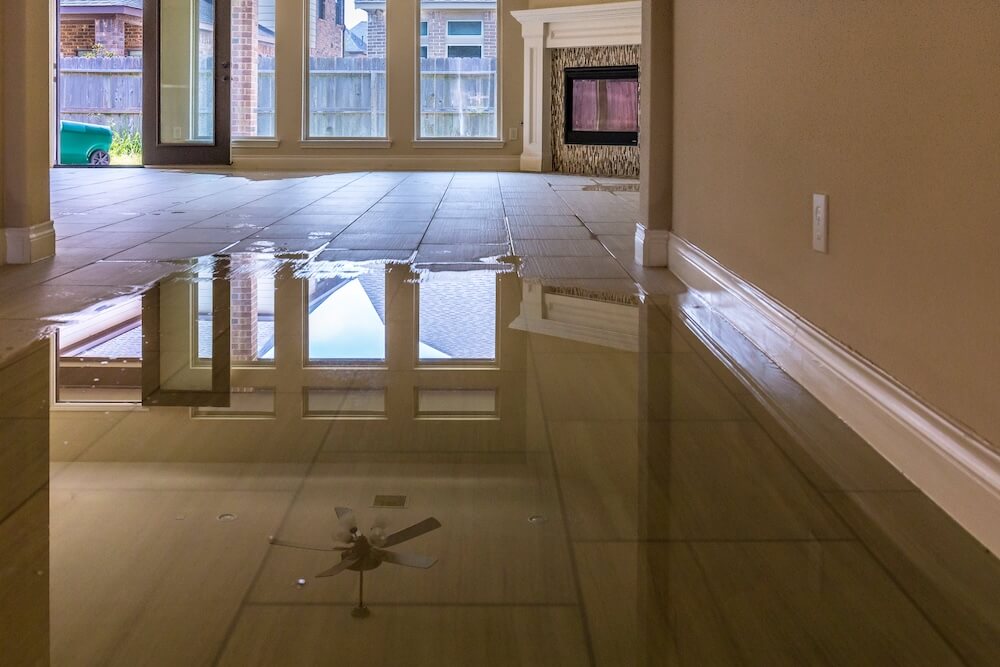
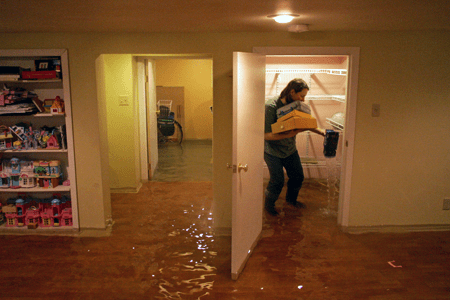
After floodwaters recede, quick cleanup is essential to prevent mold growth and further damage. Remove standing water as soon as possible and use fans or dehumidifiers to dry out affected areas. Dispose of water-damaged materials that cannot be thoroughly cleaned, such as carpets and drywall.
Mold can develop within 24–48 hours, so act quickly. Wear protective gear during cleanup and consider hiring professionals for extensive damage. For more information on post-flood recovery, see resources on increased rainfall flood risks and their impact on homeowners.
Long-Term Strategies for Flood Resilience
Building resilience against future river floods involves both property upgrades and ongoing preparedness. Consider landscaping with native plants that help absorb excess water, and maintain gutters and downspouts to direct rainwater away from your home. Stay informed about local floodplain management regulations and participate in community flood mitigation efforts.
For a comprehensive list of actions you can take before a flood, review the official flood preparation checklist from trusted authorities. Staying proactive can significantly reduce your risk and help protect your investment.
FAQ: River Flooding and Home Protection
What are the most effective ways to prevent river water from entering my home?
The most effective methods include installing flood barriers or sandbags, sealing cracks in your foundation, elevating utilities, and using sump pumps with backup power. Regular maintenance and property grading also help keep water away from your structure.
Does homeowners insurance cover river flood damage?
Standard homeowners insurance does not typically cover flood damage from rivers. You will need a separate flood insurance policy. Be sure to understand the waiting period and policy details before purchasing.
How can I reduce mold risk after a flood?
Remove standing water quickly, dry out the affected areas with fans and dehumidifiers, and discard materials that cannot be cleaned. Act within 24–48 hours to prevent mold growth, and consider professional remediation for severe cases.