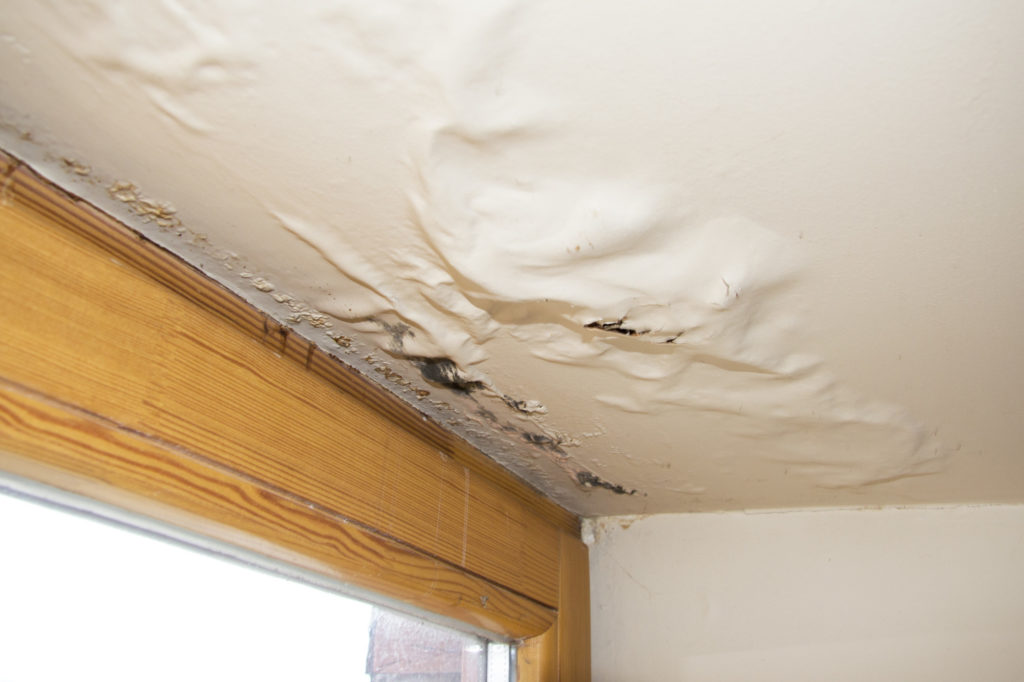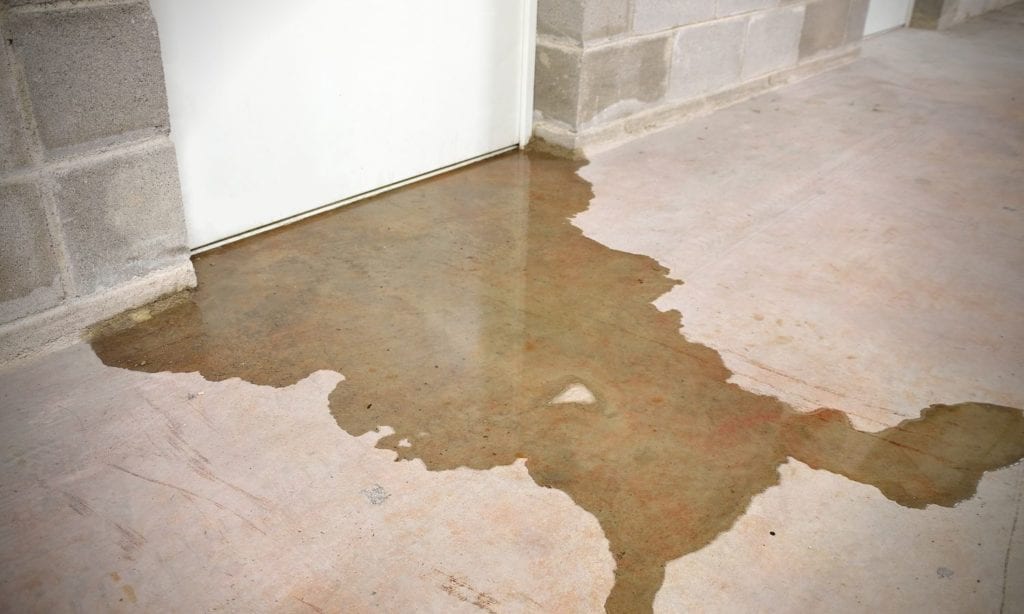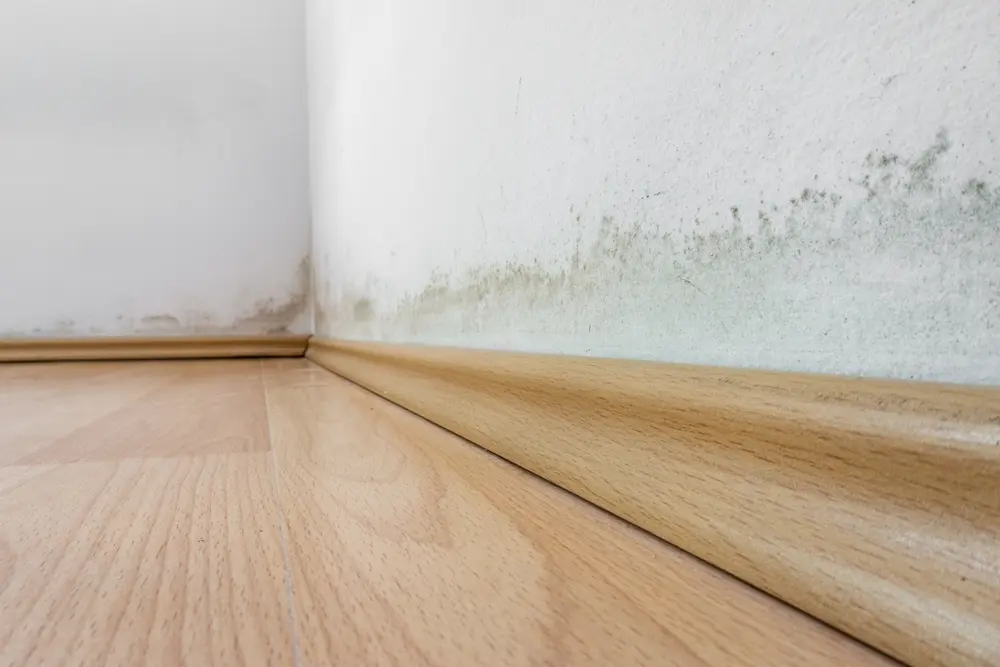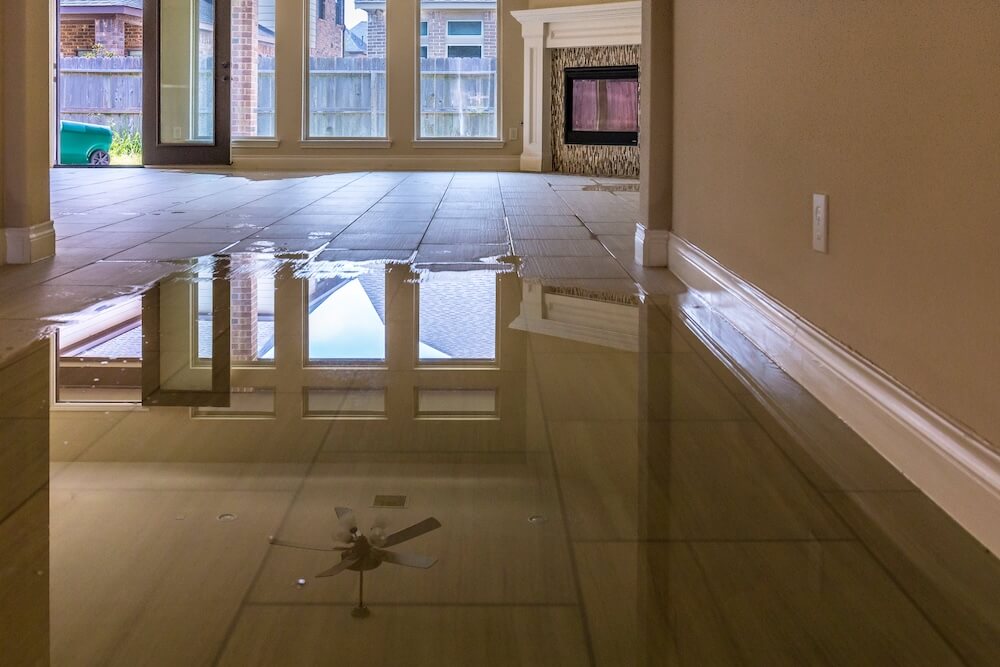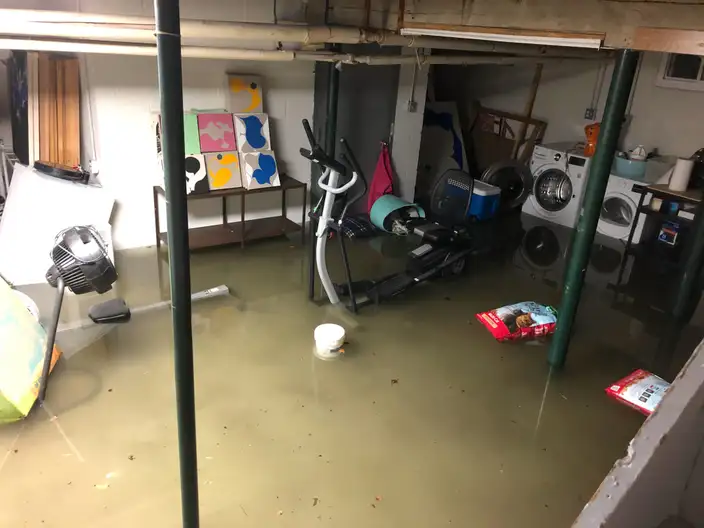
Many historic and established residences face unique challenges when it comes to water intrusion. Aging foundations, outdated plumbing, and worn-out drainage systems can make these properties especially vulnerable during heavy rains or rising groundwater. Taking proactive steps to address these vulnerabilities is essential for safeguarding your investment and maintaining a safe, dry living environment.
This guide explores practical strategies for flood prevention for older homes, from inspecting your property’s weak points to upgrading critical systems. Whether you’re a longtime homeowner or new to an older property, understanding these preventive measures can help you avoid costly repairs and protect your home’s value for years to come.
For more hands-on solutions, consider exploring DIY flood prevention projects that are tailored for homeowners looking to make immediate improvements.
Understanding the Risks in Older Properties
Homes built decades ago often lack modern waterproofing and drainage technologies. Materials like clay pipes, porous stone foundations, and outdated grading can all contribute to increased flood risk. Over time, even minor cracks or shifts in the structure can allow water to seep in, especially during storms or rapid snowmelt.
It’s also common for older homes to be located in established neighborhoods with mature landscaping and aging municipal infrastructure. These factors can further complicate water management, making it crucial to assess your property’s specific vulnerabilities.
Key Steps for Flood Prevention in Aging Homes
Effective flood prevention for older homes starts with a thorough inspection and targeted upgrades. Here are some essential steps to consider:
- Inspect the Foundation: Look for cracks, gaps, or signs of water intrusion. Seal any openings with appropriate masonry or waterproofing products.
- Upgrade Drainage Systems: Ensure gutters and downspouts are clear of debris and direct water at least six feet away from the foundation.
- Install Sump Pumps: A reliable sump pump can remove excess water from basements or crawl spaces before it causes damage.
- Improve Grading: The ground around your home should slope away from the foundation to prevent pooling water.
- Check Plumbing: Replace old pipes and inspect for leaks that could contribute to moisture buildup.
Modern Solutions for Classic Structures
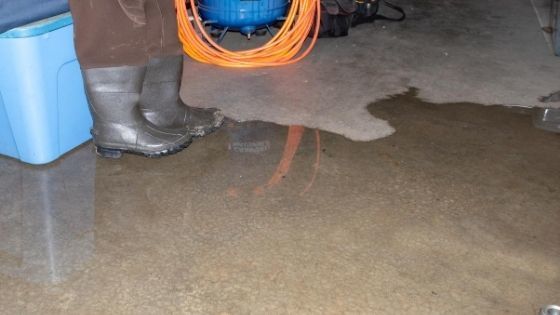
While traditional repairs are important, integrating modern technology can provide an extra layer of protection. Smart water leak detectors, for example, can alert you to leaks or flooding before they become major problems. These devices are especially valuable in basements, under sinks, or near water heaters—areas where unnoticed leaks can lead to significant damage.
For those living in urban areas, it’s worth learning about urban home flood challenges and how they intersect with the unique needs of older buildings.
Basement and Crawl Space Waterproofing
Many older homes have basements or crawl spaces that were not designed with modern waterproofing in mind. To reduce the risk of water intrusion:
- Apply waterproof coatings to interior walls and floors.
- Install or upgrade perimeter drains to channel water away from the structure.
- Use vapor barriers to limit moisture migration from the soil.
- Regularly check for mold, mildew, or musty odors, which can indicate hidden leaks.
Landscaping and Exterior Maintenance
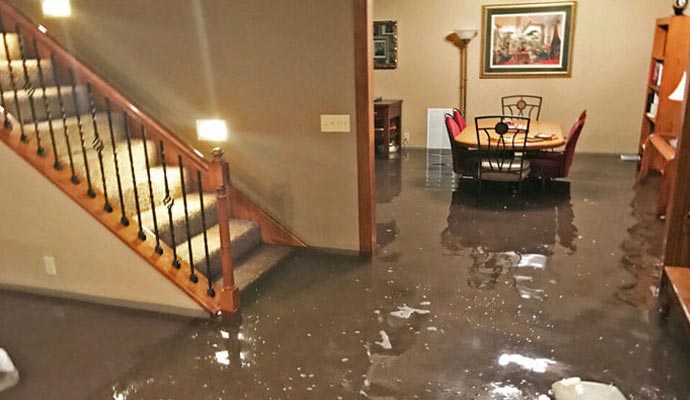
The area surrounding your home plays a significant role in managing water flow. Mature trees, shrubs, and old walkways can sometimes direct water toward your foundation. To minimize risk:
- Trim back overgrown vegetation that may block drainage paths.
- Repair or replace cracked driveways and walkways that channel water toward the house.
- Consider installing French drains or swales to divert runoff away from vulnerable areas.
- Keep window wells clear and covered to prevent water from pooling against basement windows.
For those interested in how new construction addresses these issues, see the latest flood protection for new homes strategies.
Insurance and Emergency Preparedness
Even with the best prevention measures, severe weather can still cause unexpected flooding. It’s important to review your homeowner’s insurance policy and understand what is and isn’t covered. Many policies require separate flood insurance, especially in high-risk areas.
For clarity on common misconceptions, review flood insurance myths to ensure you’re adequately protected.
Additionally, prepare an emergency plan that includes:
- Storing valuables and important documents in waterproof containers.
- Knowing how to quickly shut off electricity and gas in case of flooding.
- Keeping a list of emergency contacts and local disaster resources.
- Maintaining a supply of sandbags or barriers for rapid deployment during storms.
Leveraging Community and Professional Resources
Local governments and utility companies often provide resources for homeowners at risk of flooding. Check for grants or rebates for sump pump installations, foundation repairs, or landscaping improvements. Consulting with a licensed contractor or waterproofing specialist can also help you identify issues unique to your property.
For a comprehensive overview of how changing weather patterns may affect your home, read about increased rainfall flood risks and how to adapt your prevention strategy accordingly.
For further guidance on preparing your home, the Constellation home flood preparedness guide offers additional tips and checklists.
Frequently Asked Questions
What are the most common causes of flooding in older homes?
The most frequent causes include poor drainage, aging or cracked foundations, outdated plumbing, and insufficient grading around the property. Heavy rainfall and rising groundwater can quickly exploit these weaknesses.
How often should I inspect my home for flood risks?
It’s wise to perform a thorough inspection at least once a year, ideally before the rainy season. Check after major storms as well, and address any signs of water intrusion promptly.
Are smart water leak detectors worth installing in older homes?
Yes, these devices can provide early warnings of leaks or flooding, allowing you to take action before significant damage occurs. They are especially helpful in basements, utility rooms, and other high-risk areas.
Can landscaping changes really make a difference in flood prevention?
Absolutely. Proper grading, well-maintained gutters, and strategic use of drains or swales can significantly reduce the risk of water pooling near your foundation.