Concrete is a durable and widely used material in both residential and commercial construction. However, it is not naturally impervious to water. Over time, exposure to moisture can cause cracks, spalling, and even structural damage. This is why using waterproof sealants for concrete is essential for protecting surfaces such as driveways, patios, basements, and foundations. In this article, you’ll learn about the types of sealants available, their benefits, application tips, and how to choose the right product for your needs.
If you’re also interested in kitchen tools, you may want to read about how to press tortillas for chilaquiles for a change of pace in your home improvement and culinary adventures.
Why Moisture Protection Matters for Concrete
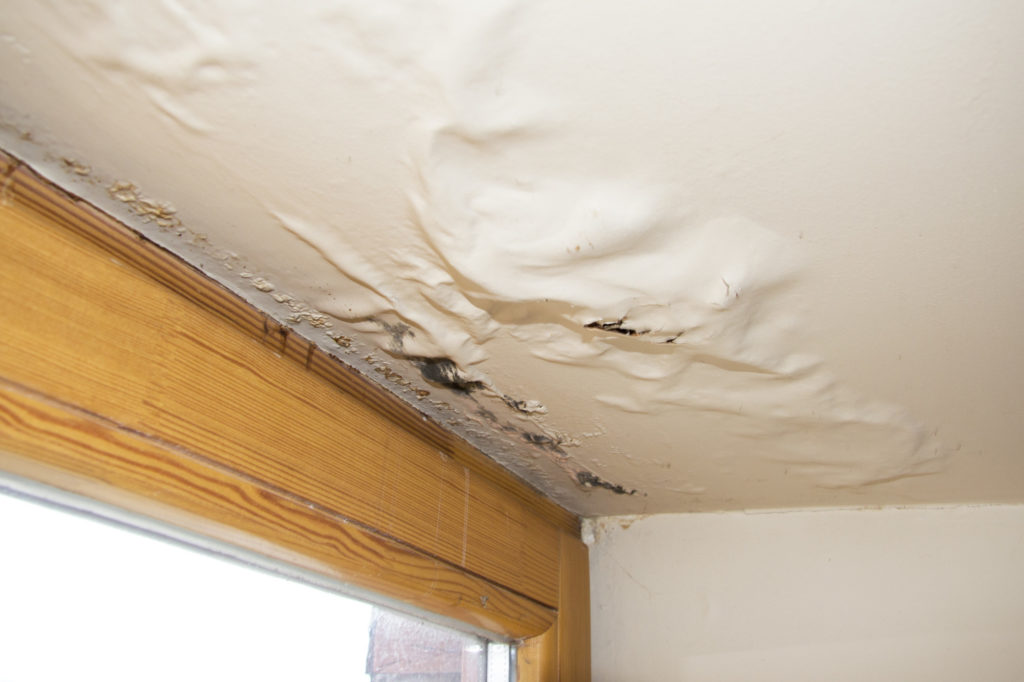
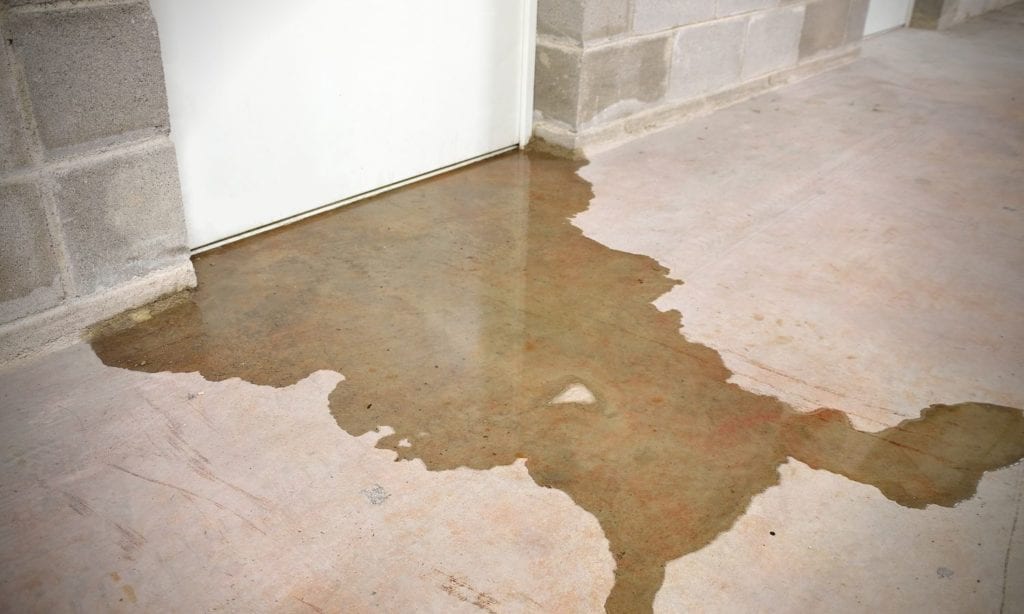
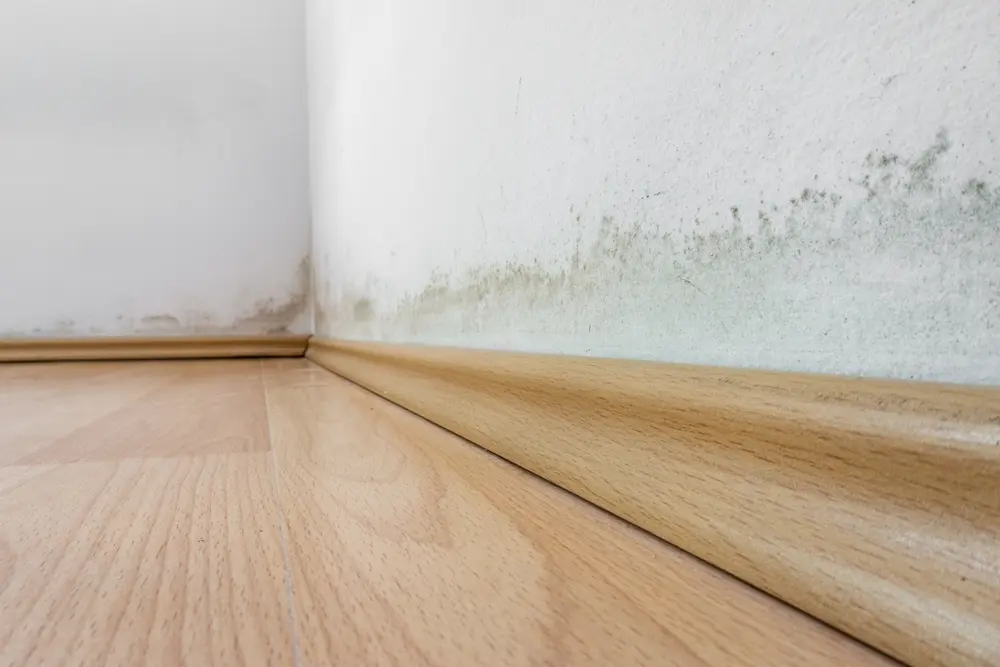
Concrete is porous, which means water can seep into its surface and cause a range of issues. Moisture intrusion leads to freeze-thaw damage in colder climates, encourages mold growth, and can corrode embedded steel reinforcement. Over time, this can compromise the integrity and appearance of your concrete surfaces.
Applying a concrete waterproofing sealant creates a protective barrier, reducing water absorption and extending the lifespan of the material. This is especially important for outdoor surfaces and areas exposed to heavy rainfall or standing water.
Types of Waterproof Sealants for Concrete
There are several categories of sealants designed to protect concrete from water damage. Each type offers unique benefits and is suited for different applications.
- Penetrating Sealers: These products soak into the concrete and chemically react to form a hydrophobic barrier below the surface. They are ideal for driveways, sidewalks, and patios because they do not alter the appearance of the concrete.
- Acrylic Sealers: Acrylic-based options form a thin film on the surface, providing moderate protection and enhancing the color or sheen. They are commonly used for decorative concrete and stamped surfaces.
- Epoxy and Polyurethane Sealers: These create a thick, durable coating that is highly resistant to water, chemicals, and abrasion. They are often used in garages, warehouses, and industrial settings.
- Elastomeric Sealants: Flexible and rubber-like, these are used to fill expansion joints and cracks, preventing water from entering vulnerable areas.
How to Select the Right Concrete Sealant
Choosing the best waterproofing solution for concrete depends on several factors:
- Location: Outdoor surfaces exposed to weather require more robust protection than indoor floors.
- Traffic: High-traffic areas benefit from tougher sealants like epoxy or polyurethane.
- Appearance: If you want to preserve the natural look of concrete, opt for penetrating sealers. For a glossy finish, acrylic or polyurethane may be preferable.
- Application Method: Some products are easier to apply than others. Consider whether you prefer a spray-on, roll-on, or brush-on product.
- Environmental Impact: Look for low-VOC or water-based sealants if you are concerned about indoor air quality or environmental safety.
Application Tips for Effective Waterproofing
Proper application is crucial for achieving long-lasting water resistance. Here are some practical steps to follow:
- Clean the Surface: Remove dirt, oil, and debris. Pressure washing is often recommended.
- Repair Cracks: Fill any cracks or holes with a suitable patching compound before sealing.
- Dry Completely: Ensure the concrete is fully dry before applying any sealant.
- Apply Evenly: Use a roller, brush, or sprayer for uniform coverage. Follow the manufacturer’s instructions for best results.
- Allow to Cure: Let the sealant cure for the recommended time before exposing the surface to water or foot traffic.
For more details on preventing water-related issues in your home, you might find this comprehensive guide to preventing water damage helpful.
Maintenance and Longevity of Sealed Concrete
Even after applying a water-repellent sealant for concrete, regular maintenance is key to preserving its effectiveness. Sweep or wash the surface periodically to remove debris and prevent buildup that can degrade the sealant. Inspect for signs of wear, such as dullness or water absorption, and reapply the product as recommended by the manufacturer—typically every 2 to 5 years, depending on traffic and exposure.
If you’re interested in keeping your kitchen tools in top shape as well, check out tips on how to sanitize a cast iron press between cooking sessions.
Common Mistakes to Avoid
To get the most out of your concrete waterproofing products, avoid these frequent errors:
- Skipping Surface Prep: Applying sealant to dirty or damp concrete reduces adhesion and effectiveness.
- Over-application: Excess product can lead to a cloudy finish or peeling.
- Ignoring Weather Conditions: Apply sealants in dry, moderate temperatures for best results.
- Neglecting Reapplication: Failing to reseal as needed leaves concrete vulnerable to moisture.
Frequently Asked Questions
How long does a concrete waterproofing sealant last?
The lifespan depends on the type of product and the amount of traffic or exposure. Penetrating sealers can last up to 10 years, while acrylic and epoxy coatings may need reapplication every 2 to 5 years. Regular inspection helps determine when resealing is necessary.
Can I apply a waterproof sealant myself, or should I hire a professional?
Many sealants are designed for DIY application and come with clear instructions. However, for large projects or surfaces with significant damage, hiring a professional ensures thorough preparation and even coverage.
Will sealing concrete change its appearance?
Some sealants, like acrylics and polyurethanes, can enhance color or add a glossy finish. Penetrating sealers typically do not alter the look of the concrete. Always test a small area first to ensure you’re happy with the result.
What surfaces benefit most from waterproofing?
Outdoor patios, driveways, pool decks, basements, and garage floors are especially prone to moisture issues and benefit greatly from a protective sealant.
Conclusion
Protecting concrete from water damage is a smart investment in the longevity and appearance of your property. By choosing the right waterproof sealant for concrete and following proper application and maintenance practices, you can prevent costly repairs and maintain a clean, attractive surface for years to come. For more home care and improvement tips, explore related resources or consult with a local expert.