
Managing excess water around homes and properties has become a growing concern as weather patterns shift and urban development increases. Rain barrels and flood control methods are gaining attention for their ability to reduce runoff, protect basements, and support sustainable landscaping. This guide explores practical strategies for homeowners and property managers to minimize flood risks, highlighting the role of rainwater harvesting and other effective solutions.
Whether you live in a flood-prone area or are simply looking to make your property more resilient, understanding the causes of water accumulation and the tools available can help you take proactive steps. For those interested in affordable approaches, you may also want to explore low-cost flood prevention tips for additional ideas.
Understanding Water Runoff and Flooding Risks
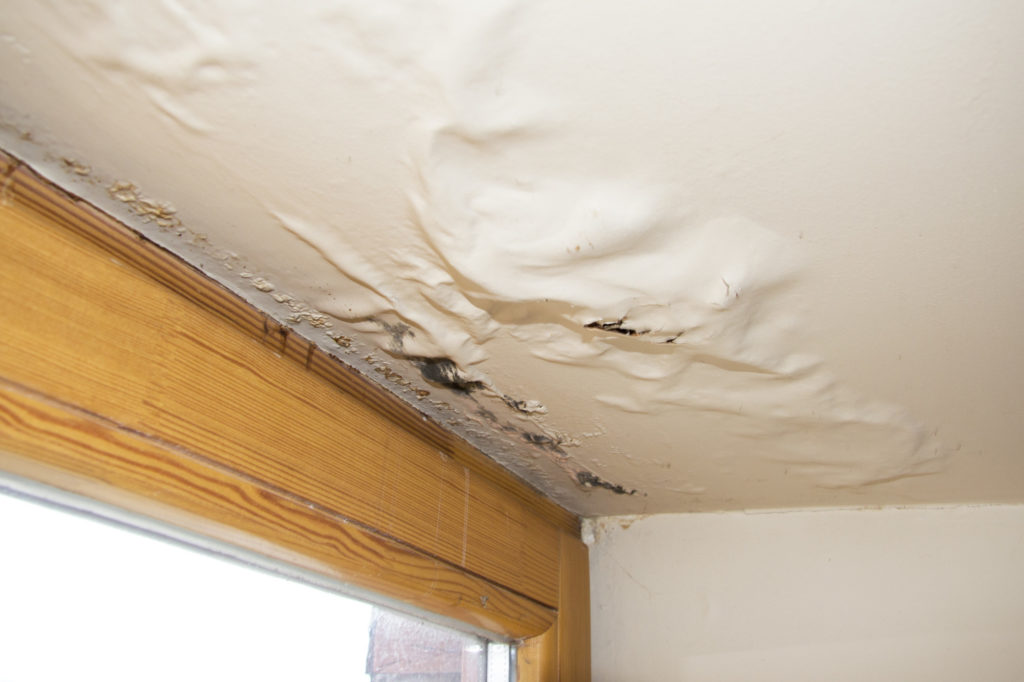
Urbanization has led to more impervious surfaces like driveways, rooftops, and roads, which prevent rainwater from soaking into the ground. Instead, water flows rapidly into storm drains and nearby waterways, increasing the risk of localized flooding. This can overwhelm drainage systems, cause basement leaks, and erode landscaping.
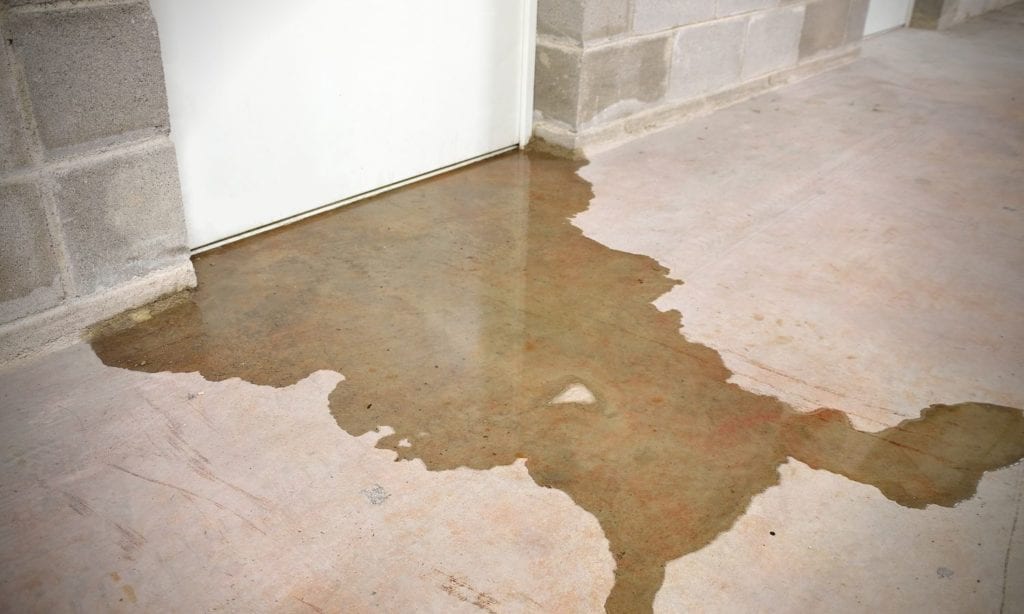
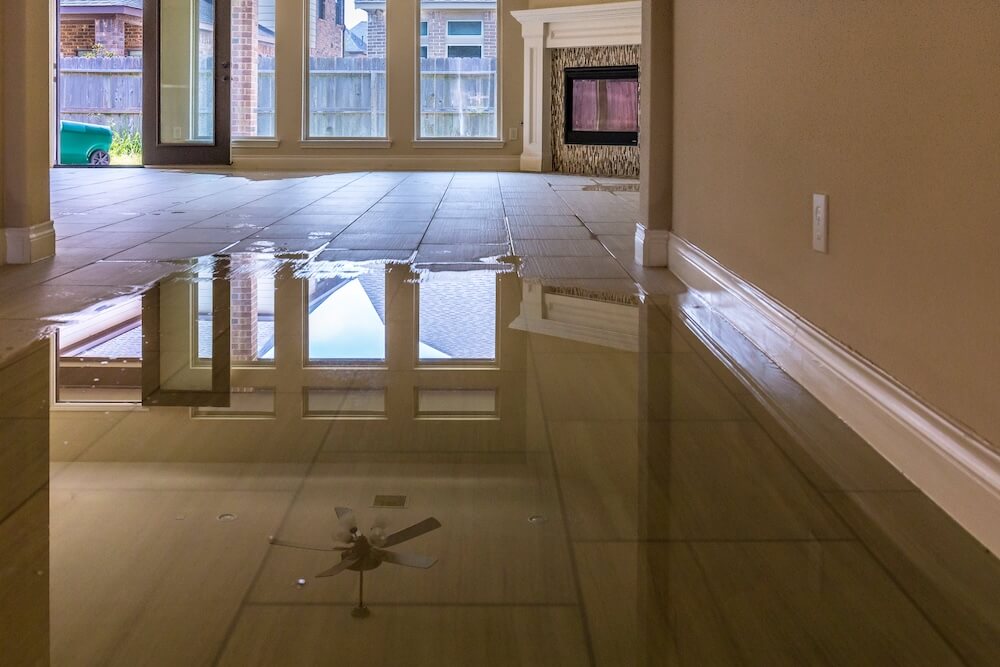
Common causes of household flooding include heavy rainfall, blocked gutters, poor grading, and overloaded municipal systems. For a deeper look at these issues, see this overview of typical flood causes in homes.
How Rain Barrels Help With Flood Management
One of the most accessible ways to reduce runoff is by installing rain barrels. These containers collect water from downspouts, storing it for later use in gardens or lawns. By capturing roof runoff, rain barrels slow the flow of water entering storm drains and help prevent erosion around foundations.
- Reduces peak runoff: By holding back water during storms, rain barrels decrease the volume entering drainage systems all at once.
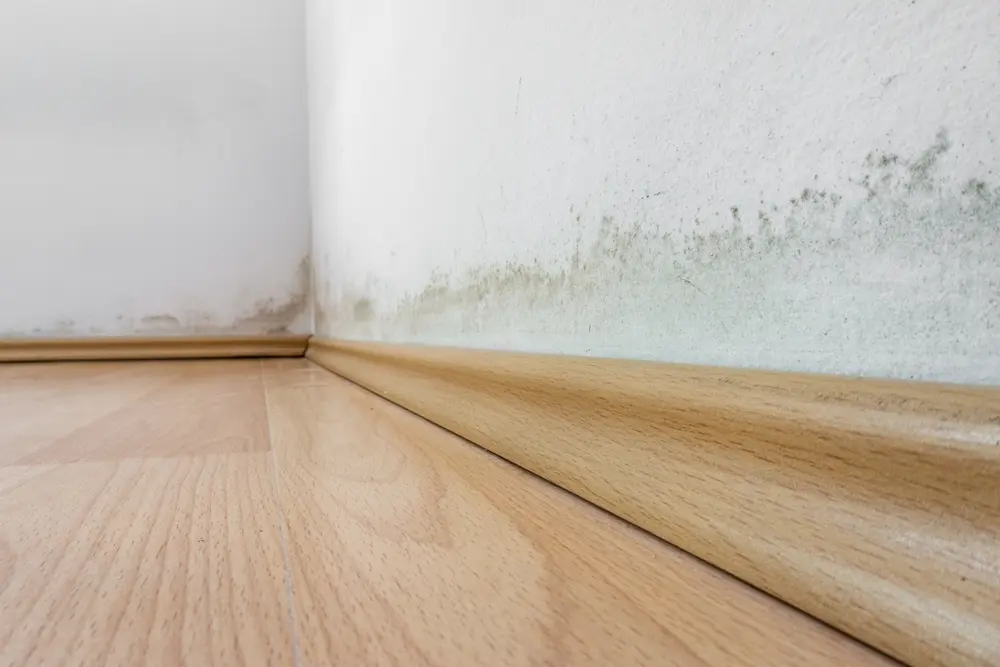
- Protects basements and crawlspaces: Less water pooling near foundations means fewer leaks and less risk of water damage.
- Supports sustainable landscaping: Stored rainwater can be used for irrigation, reducing demand on municipal supplies.

Additional Flood Control Strategies for Homeowners
While rain barrels are a valuable tool, combining them with other flood mitigation techniques offers greater protection. Here are some proven strategies to further reduce water damage risks:
- Improve grading and drainage: Ensure soil slopes away from your home’s foundation to direct water toward safe drainage areas.
- Install permeable surfaces: Use gravel, permeable pavers, or mulch in driveways and walkways to allow water to soak into the ground.
- Maintain gutters and downspouts: Clear debris regularly and extend downspouts at least six feet from the foundation.
- Consider sump pumps and backflow valves: These devices help manage water that does enter basements or crawlspaces.
- Landscape with native plants: Deep-rooted species absorb more water and stabilize soil, reducing erosion and runoff.
For those building new homes or planning major renovations, integrating flood protection for new homes into your design can provide long-term resilience.
Choosing and Installing Rain Barrels
Selecting the right rain barrel depends on your roof size, rainfall patterns, and available space. Most barrels range from 40 to 80 gallons and are made from food-grade plastic, wood, or repurposed containers. Key features to look for include:
- Overflow outlets: Direct excess water safely away from your home.
- Screened lids: Prevent debris and mosquitoes from entering.
- Sturdy spigots: Allow easy access to stored water for irrigation.
Installation is straightforward: place the barrel on a level surface near a downspout, cut the downspout to fit, and attach a diverter or flexible extension. Always ensure overflow is directed away from foundations.

Integrating Rainwater Harvesting With Broader Flood Solutions
Combining rain barrels and flood control measures with other water management practices creates a comprehensive defense against water damage. For example, connecting multiple barrels in series increases storage capacity, while integrating rain gardens or bioswales further reduces runoff.
In urban settings, unique challenges such as limited space and shared infrastructure require creative solutions. Learn more about addressing urban home flood challenges to tailor your approach to city environments.
For DIY enthusiasts, there are many DIY flood prevention projects that can be tackled over a weekend, from installing simple barriers to building custom rainwater collection systems.
Monitoring and Maintenance for Long-Term Effectiveness
Regular upkeep is essential to ensure your flood mitigation systems work as intended. Inspect rain barrels for leaks, clean screens and gutters, and check overflow paths after heavy storms. Consider installing a water leak detector for early warning of potential issues—these devices can alert you to leaks before they cause major damage.
As rainfall patterns become more unpredictable, staying vigilant and updating your flood prevention strategies is key. For those concerned about changing weather, reviewing the increased rainfall flood risks facing homeowners can help you prepare for future challenges.
Frequently Asked Questions
How much water can a typical rain barrel collect during a storm?
A standard 55-gallon rain barrel can fill up quickly during a moderate rain event. For every 1,000 square feet of roof, one inch of rain can produce over 600 gallons of runoff. Using multiple barrels or larger containers increases your capacity to capture and reuse rainwater.
Are rain barrels effective in preventing basement flooding?
While rain barrels alone may not eliminate all flooding risks, they significantly reduce the amount of water pooling near foundations. When combined with proper grading, gutter maintenance, and other flood control measures, they help minimize the chances of basement leaks.
What maintenance do rain barrels require?
Maintenance is straightforward: empty and rinse barrels periodically, clean screens to prevent clogs, and check for cracks or leaks. Before winter, drain barrels and disconnect them to avoid freezing damage.