Flooding is a growing concern for homeowners, especially as climate patterns shift and extreme weather events become more frequent. While quick fixes can help in emergencies, building true resilience requires a comprehensive approach. This guide explores long-term flood prevention strategies that can help protect your property, maintain its value, and provide peace of mind for years to come.
Whether you live in a flood-prone region or simply want to future-proof your home, understanding the most effective ways to reduce risk is essential. We’ll cover proven methods, from landscape design to structural upgrades, and highlight smart investments that can make a lasting difference. For those seeking affordable options, you may also find value in exploring low-cost flood prevention tips that complement the more robust measures discussed here.

Why Invest in Lasting Flood Protection?
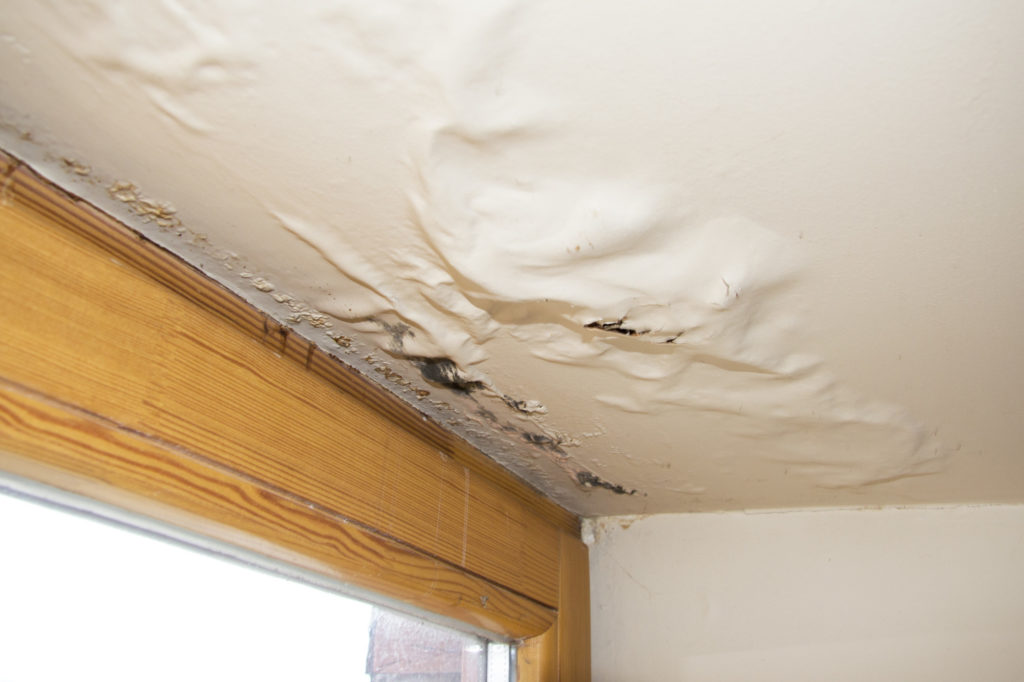
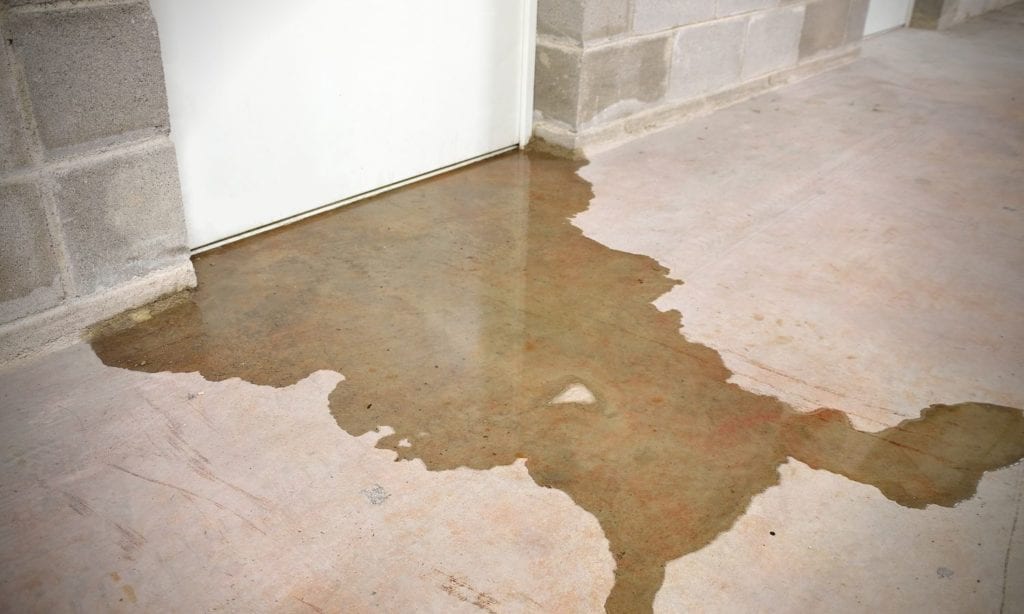
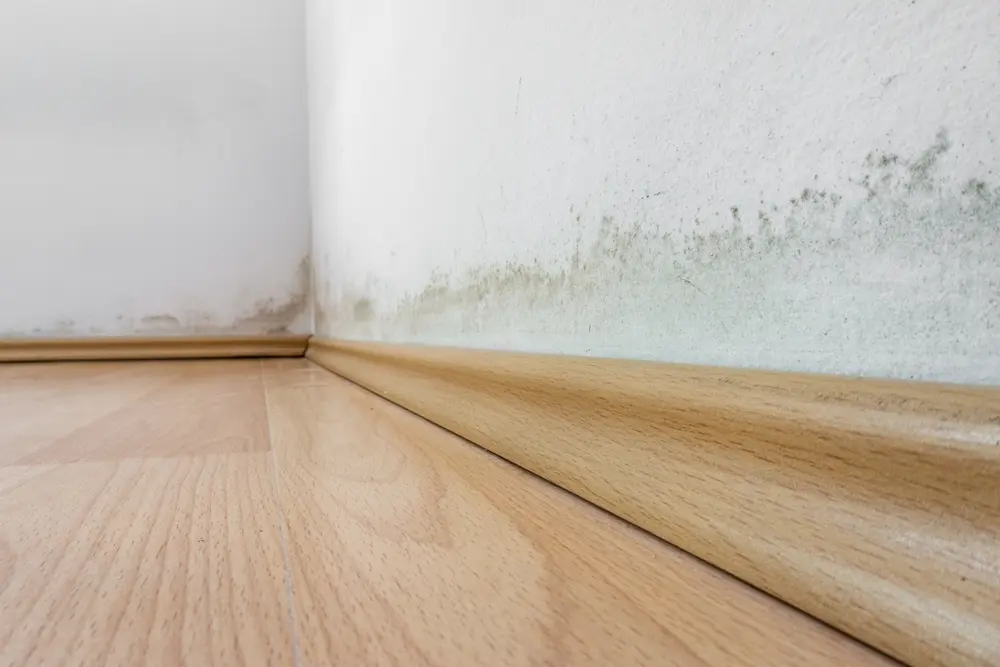
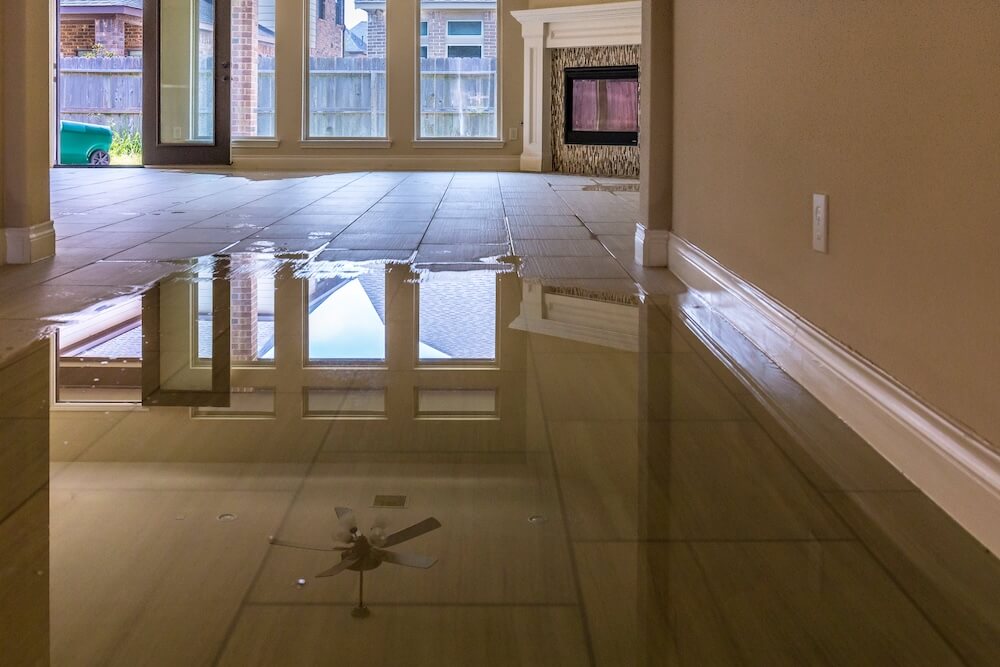
The cost of flood damage can be devastating, often far exceeding the price of prevention. Water intrusion not only destroys belongings but can also undermine a home’s foundation, cause mold growth, and lead to expensive repairs. By prioritizing long-term flood prevention strategies, homeowners can significantly reduce the risk of loss and disruption.
Beyond financial savings, robust flood defenses also enhance safety and comfort. They can help maintain property value and may even lower insurance premiums. For those building a new residence, integrating flood protection for new homes into the design phase is especially effective.
Site Assessment and Risk Evaluation
The first step in any effective flood mitigation plan is understanding your property’s unique vulnerabilities. Start by researching local flood maps and historical data. Consider factors such as proximity to rivers, drainage patterns, and the elevation of your home relative to the surrounding land.
Consulting with local authorities or a professional flood risk assessor can provide valuable insights. They can identify weak points, such as low-lying entryways or inadequate drainage, and recommend targeted improvements. For urban dwellers, it’s important to be aware of urban home flood challenges that may require specialized solutions.
Landscaping and Drainage Improvements
Thoughtful landscaping is a powerful tool for managing water flow and minimizing flood risk. Grading the yard so that water flows away from the foundation is a fundamental step. Swales, rain gardens, and permeable paving can all help absorb runoff and direct it safely away from the home.
- Grading and Sloping: Ensure soil slopes away from the house to prevent pooling near the foundation.
- French Drains: Install underground drainage systems to channel water away efficiently.
- Rain Gardens: Use deep-rooted plants to absorb excess water and reduce surface runoff.
- Permeable Surfaces: Replace concrete with materials that allow water to soak through, reducing the burden on storm drains.

Structural Upgrades for Flood Defense
Making physical improvements to your home can provide a strong line of defense against rising water. Some of the most effective long-term flood prevention strategies involve reinforcing the building envelope and critical systems.
- Install Flood Vents: These allow water to flow through crawl spaces or garages, reducing pressure on walls and foundations.
- Seal Basements and Foundations: Use waterproof coatings and sealants to block water entry at vulnerable points.
- Elevate Utilities: Move electrical panels, heating systems, and major appliances above projected flood levels.
- Backflow Prevention: Fit sewer and drain lines with backflow valves to stop water from reversing into your home.
- Upgrade Windows and Doors: Install watertight barriers or replace with flood-resistant models for added protection.
For those interested in hands-on solutions, there are many DIY flood prevention projects that can be completed with basic tools and materials.
Smart Technology and Early Warning Systems
Modern technology offers new ways to monitor and respond to potential flooding. Installing water leak detectors and smart sensors can provide early alerts, helping you take action before damage occurs. Many systems can be integrated with home automation platforms, sending notifications to your phone or triggering sump pumps automatically.
In addition to sensors, consider installing battery backup systems for sump pumps and alarms. This ensures critical equipment continues to function during power outages, which often accompany severe storms.

Maintenance and Ongoing Preparedness
Even the best flood prevention measures require regular maintenance to remain effective. Inspect gutters, downspouts, and drainage systems at least twice a year, especially before rainy seasons. Remove debris, repair any damage, and ensure water flows freely away from your home.
Keep sump pumps in good working order and test backup power supplies periodically. Review your insurance coverage to confirm it includes flood protection, and keep important documents in a waterproof container. For more on adapting to changing weather patterns, see this resource on increased rainfall flood risks.
Community and Policy-Level Approaches
Individual action is vital, but community-wide efforts can amplify resilience. Participate in local planning initiatives and advocate for improved stormwater infrastructure in your area. Stay informed about floodplain management policies and support measures that protect neighborhoods as a whole.
For a comprehensive checklist on how to prepare before flooding occurs, consult resources like this flood preparedness guide from official agencies.
FAQ: Long-Term Home Flood Protection
What are the most effective permanent solutions for preventing home flooding?
The most reliable methods include grading your yard to direct water away, installing French drains, sealing foundations, adding flood vents, and elevating utilities. Combining these with smart technology and regular maintenance provides robust, lasting protection.
How often should I inspect and maintain my flood prevention systems?
It’s best to inspect gutters, drains, and sump pumps at least twice a year—before and after the wet season. After major storms, check for blockages or damage. Test backup systems and alarms regularly to ensure they function during emergencies.
Can landscaping really make a difference in flood prevention?
Yes, strategic landscaping such as rain gardens, swales, and permeable paving can significantly reduce surface runoff and help manage excess water. These solutions work best when combined with structural improvements and regular upkeep.