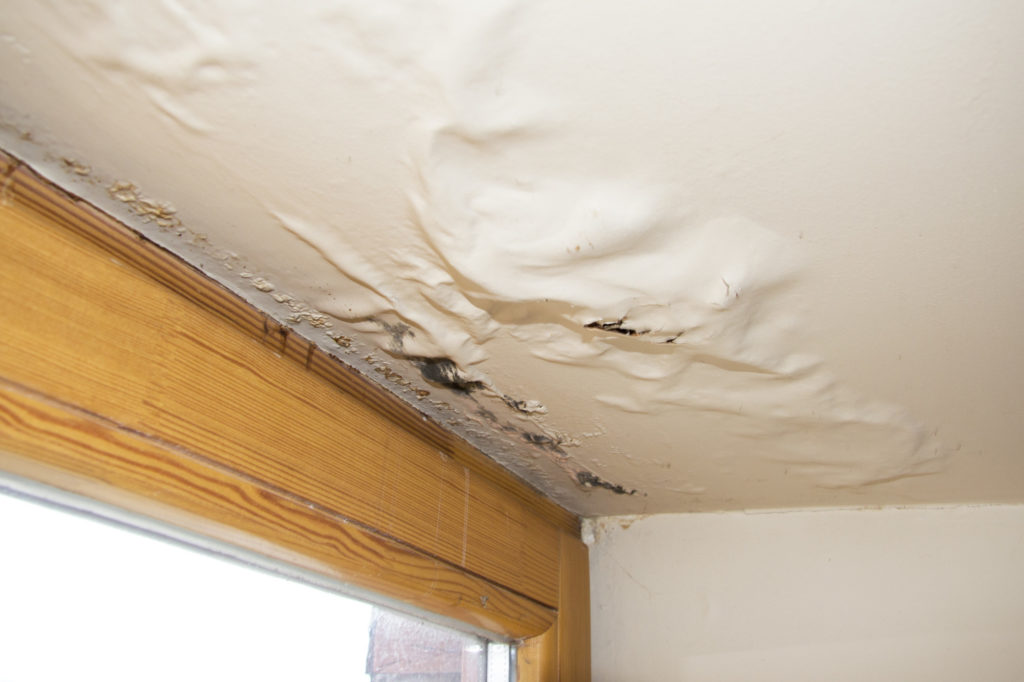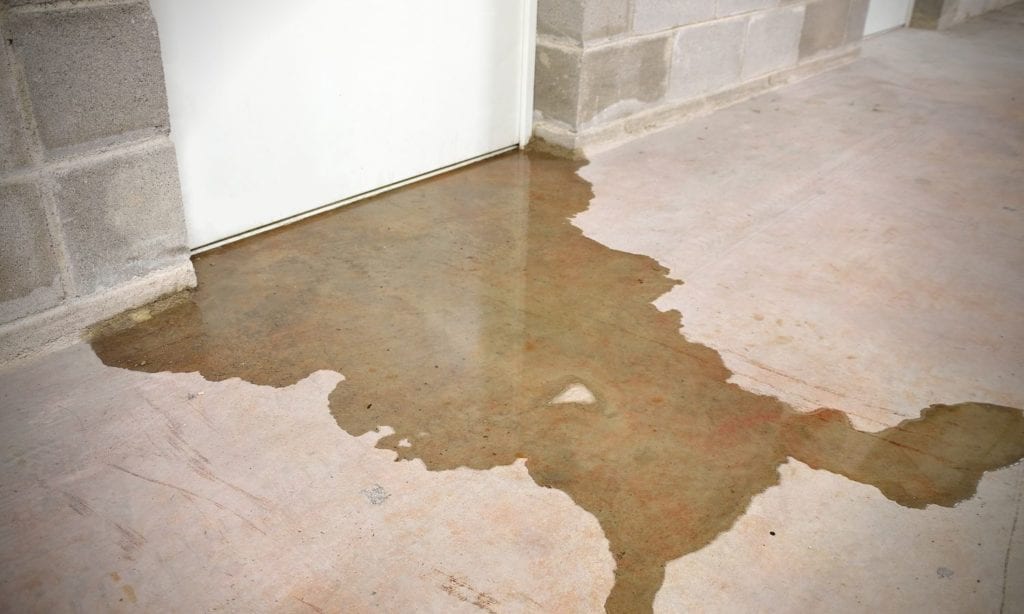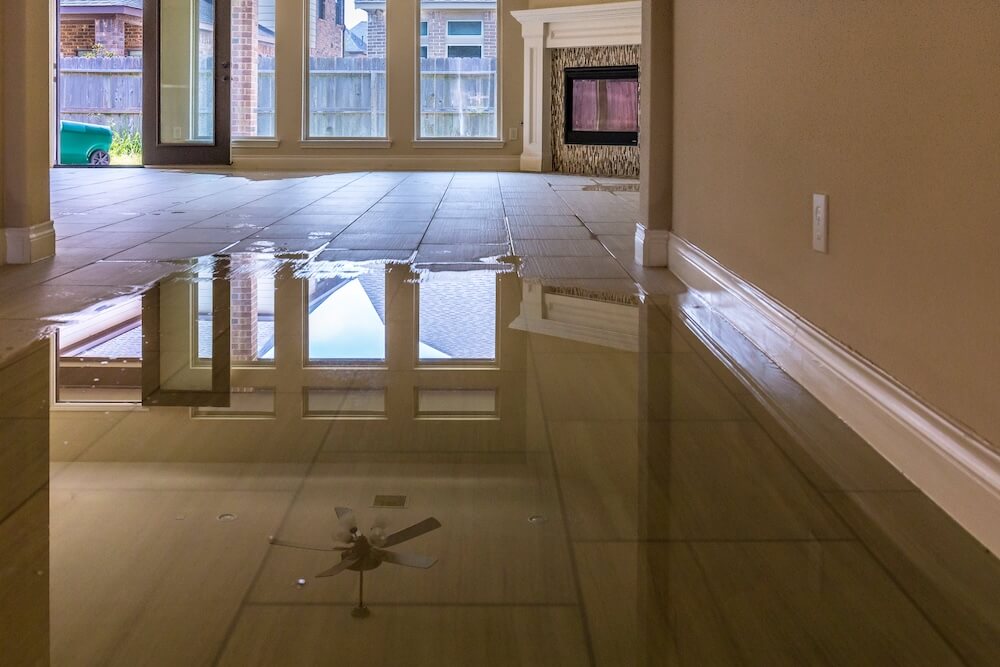
Water damage is one of the most costly and disruptive problems for homeowners. As climate patterns shift and extreme weather events become more common, the risk of residential flooding continues to rise. Whether from heavy rainfall, burst pipes, or groundwater seepage, even a small amount of unwanted water can lead to expensive repairs, mold growth, and loss of valuable belongings.
To help protect your property, home flood monitoring systems have become an essential part of modern home safety. These technologies provide early warnings, allowing you to act quickly and minimize damage. In this article, we’ll break down how these systems work, their key features, and how to choose the right solution for your needs.

If you’re interested in a broader approach to flood prevention, you might also want to explore low-cost flood prevention tips that can complement your monitoring setup.
What Are Flood Detection Systems for Homes?
Residential water detection solutions are designed to identify the presence of water in areas where it shouldn’t be. These systems typically use a combination of sensors, alarms, and connectivity features to alert homeowners to leaks or flooding as soon as they occur. By providing real-time notifications, they give you the chance to respond before minor leaks turn into major disasters.
The most common types of sensors used in these systems include:
- Spot sensors: Placed on floors or near appliances, these detect water at a single point.
- Rope or cable sensors: These can cover larger areas, such as along basement walls or under water heaters.
- Smart sensors: Connected to Wi-Fi or smart home hubs, these can send alerts directly to your phone or integrate with other home automation devices.
How Do Home Flood Monitoring Systems Work?
At the core of every system is a sensor that detects moisture or standing water. When water is detected, the sensor triggers an alarm or sends a notification. More advanced solutions may also shut off the water supply automatically or integrate with other smart devices to take action.

Most modern systems offer features such as:
- Mobile alerts: Notifications sent to your smartphone or email.
- Audible alarms: Loud sounds to alert anyone at home.
- Integration with smart home platforms: Compatibility with Alexa, Google Home, or Apple HomeKit.
- Automatic shut-off valves: Some advanced models can turn off your water supply if a leak is detected.
These features make it easier to respond quickly, even if you’re away from home. For those building new properties, it’s worth considering flood protection for new homes to ensure comprehensive safety from the start.
Key Benefits of Installing a Flood Alert System
Investing in a reliable water detection system offers several advantages:
- Early warning: Get notified before water damage becomes severe.
- Reduced repair costs: Addressing leaks promptly can save thousands in repairs and replacements.
- Peace of mind: Know that your property is being monitored 24/7, even when you’re not there.
- Insurance benefits: Some insurers offer discounts for homes equipped with approved monitoring devices.
- Protection of valuables: Prevent loss of irreplaceable items stored in basements or lower levels.
For those interested in eco-friendly solutions, combining these systems with permeable pavement benefits can help manage surface water and reduce flood risk even further.
Choosing the Right Water Detection Solution for Your Home
Selecting the best system depends on your property’s unique needs. Here are some factors to consider:
- Coverage area: Larger homes or those with finished basements may need multiple sensors or rope-style detectors.
- Connectivity: Decide if you want a standalone alarm or a smart system that integrates with your phone and other devices.
- Power source: Battery-operated sensors are easy to install but require regular maintenance, while wired models offer continuous protection.
- Automatic shut-off: For added peace of mind, look for systems that can automatically stop water flow in the event of a leak.
- Budget: There are options for every price range, from basic alarms to advanced smart home integrations.
If you’re a hands-on homeowner, you might also explore DIY flood prevention projects to further enhance your home’s resilience.

Installation Tips and Best Practices
Proper placement and setup are crucial for maximizing the effectiveness of your flood detection devices. Here are some tips:
- Install sensors in high-risk areas such as basements, laundry rooms, under sinks, near water heaters, and behind appliances.
- Test your system regularly to ensure sensors and alarms are functioning.
- Replace batteries as recommended by the manufacturer.
- Consider combining multiple types of sensors for broader coverage.
- Review your insurance policy to see if discounts are available for monitored systems.
For even more ways to reduce your risk, review increased rainfall flood risks and how to prepare for changing weather patterns.
Additional Ways to Flood-Proof Your Property
While technology offers a strong line of defense, it’s important to use a layered approach to flood prevention. In addition to installing a monitoring system, consider these strategies:
- Seal cracks in your foundation and basement walls.
- Maintain gutters and downspouts to direct water away from your home.
- Install sump pumps with battery backup.
- Use landscaping to improve drainage around your property.
- Store valuables and electronics above ground level.
For more practical advice, the NRDC’s guide to flood-proofing your house offers additional steps you can take to protect your investment.
Frequently Asked Questions
Where Should I Place Flood Sensors in My Home?
The most effective locations include basements, laundry rooms, under sinks, near water heaters, and behind major appliances. Focus on areas where leaks or flooding are most likely to occur.
Can I Install a Flood Monitoring System Myself?
Many systems are designed for easy DIY installation. Battery-powered sensors can be placed without professional help, while more advanced setups with automatic shut-off valves may require a plumber or electrician.
Do Flood Detection Devices Work During Power Outages?
Battery-operated sensors will continue to function during outages. For smart systems, ensure your Wi-Fi router and any connected hubs have backup power if remote alerts are critical.
Are These Systems Compatible With Smart Home Platforms?
Many modern models integrate with popular smart home platforms, allowing you to receive alerts on your phone or automate responses through your home automation system.
Will My Insurance Premium Go Down If I Install a Monitoring System?
Some insurance companies offer discounts for homes equipped with approved water detection devices. Check with your provider to see if you qualify.
By combining technology with practical prevention strategies, you can significantly reduce the risk of water damage and enjoy greater peace of mind in your home.