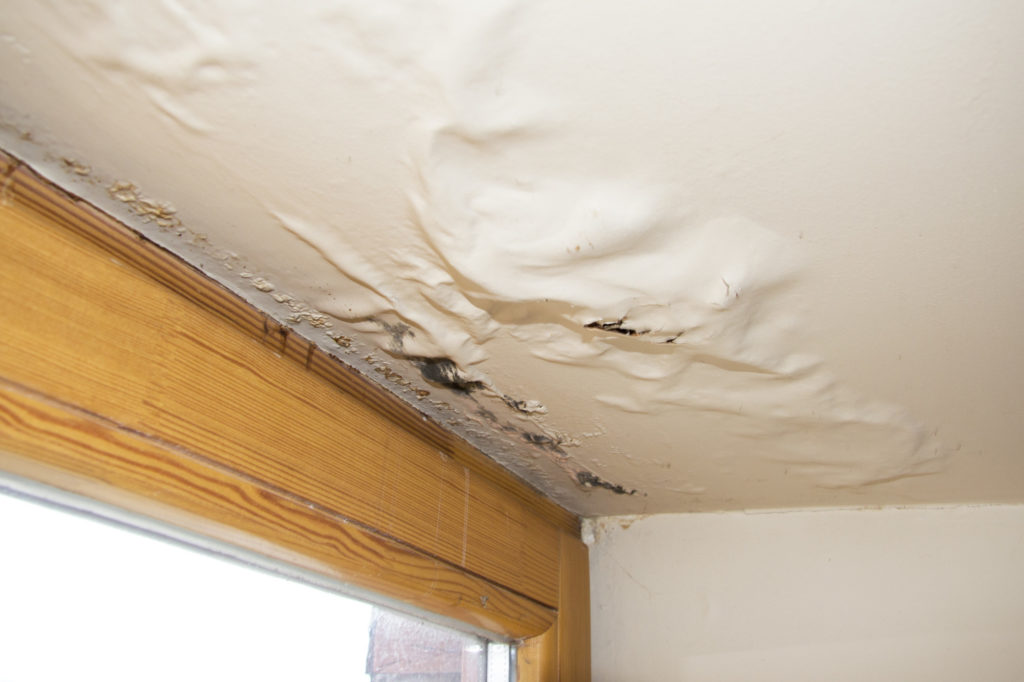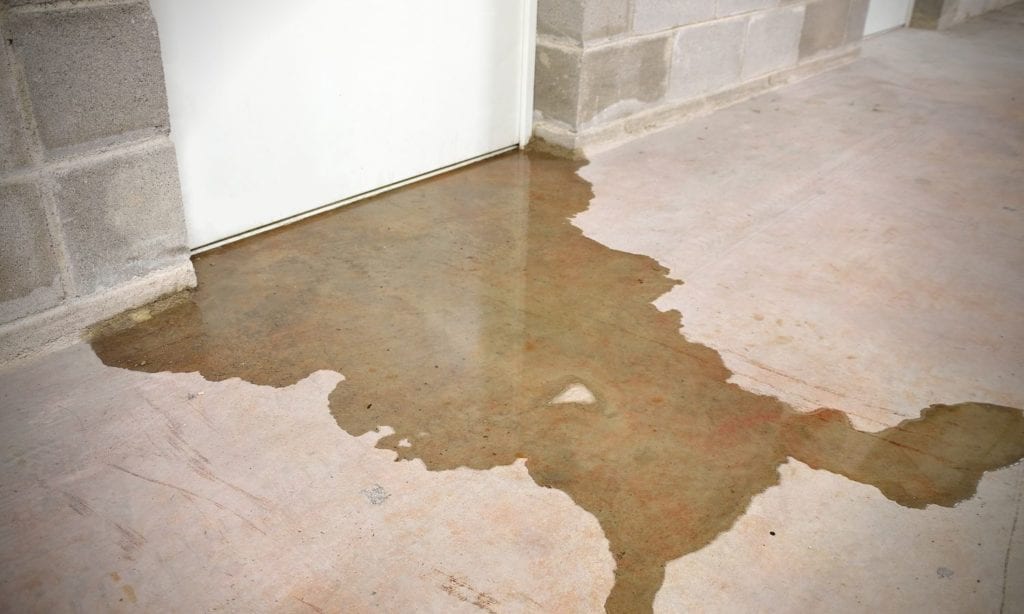

Sudden flooding can strike with little warning, putting families and property at risk. Understanding how to prepare your home for these emergencies is essential for minimizing damage and ensuring everyone’s well-being. This guide covers practical steps for flash flood home safety, from assessing your risk to implementing effective protection strategies.
Whether you live in a flood-prone area or simply want to be prepared, taking proactive measures can make a significant difference. We’ll explore how to evaluate your home’s vulnerability, safeguard your property, and respond effectively if waters rise unexpectedly. For those interested in broader urban challenges, you may also find insights in urban home flood challenges.
Understanding Flash Flood Hazards at Home
Flash floods are rapid-onset events that can overwhelm drainage systems and cause water to enter homes within minutes. Unlike slow-rising floods, these incidents often leave little time to react. Knowing your local risk factors is the first step in flash flood home safety.
- Check if your property is in a designated floodplain or near rivers, creeks, or low-lying areas.
- Review historical flood data and local emergency management resources.
- Consider a home flood risk assessment to identify vulnerabilities specific to your residence.
Even homes outside of mapped flood zones can be affected by heavy rainfall, blocked drains, or rapid snowmelt. Staying informed about weather alerts and understanding your surroundings is crucial.
Essential Steps to Prepare Your Home for Sudden Flooding
Preparation is key to reducing the impact of flash flooding. Here are some practical actions to enhance your home’s resilience:
- Install sump pumps and test them regularly to ensure they function during emergencies.
- Seal cracks in foundations, walls, and around windows to prevent water intrusion.
- Elevate electrical outlets, appliances, and HVAC systems above potential flood levels.
- Keep gutters, downspouts, and drains clear of debris to allow water to flow away from your home.
- Store important documents and valuables in waterproof containers or on upper floors.
For more detailed advice on making your property resistant to water damage, see this comprehensive guide to flood-proofing your home.
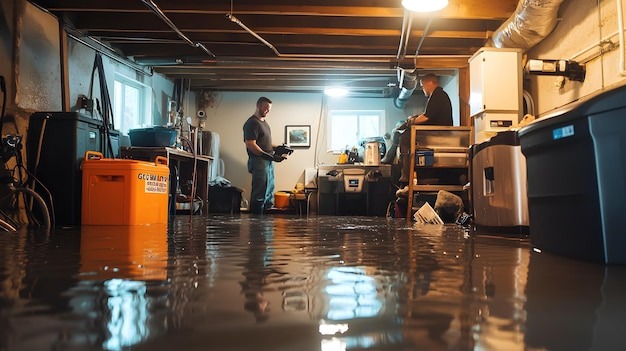
Protecting Your Family and Belongings During a Flash Flood
When a flash flood warning is issued, immediate action can save lives and property. Follow these safety tips to protect your household:
- Move to higher ground or the highest level of your home if evacuation is not possible.
- Avoid walking or driving through floodwaters—just six inches of moving water can knock you down, and a foot can sweep away a car.
- Unplug electrical devices and turn off utilities if instructed by authorities.
- Keep an emergency kit with flashlights, batteries, first aid supplies, bottled water, and non-perishable food accessible.
- Listen to local news and weather updates for real-time information.
For those concerned about insurance coverage, understanding the flood insurance waiting period can help you plan ahead and avoid costly surprises.
Restoring Your Home After Floodwaters Recede
Once the immediate danger has passed, it’s important to approach recovery with caution. Floodwaters can leave behind hazards such as contaminated debris, mold, and structural damage.
- Wait for official clearance before re-entering your home.
- Document all damage with photos and videos for insurance claims.
- Wear protective gear when cleaning and discard items that cannot be sanitized.
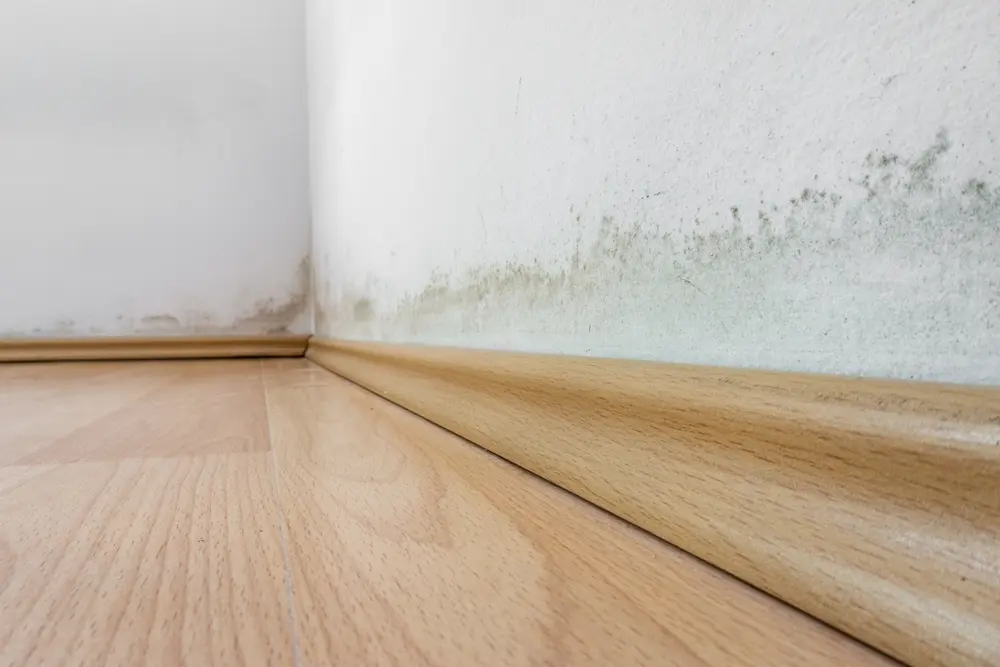
- Ventilate affected areas and use dehumidifiers to prevent mold growth.
- Consult professionals for electrical, plumbing, or structural repairs.
For more on how climate patterns are affecting home flooding, see climate change and home flooding.

Common Misconceptions About Flash Flood Home Safety
Many homeowners underestimate the risks posed by flash flooding or believe that standard insurance policies will cover all damages. It’s important to separate fact from fiction:
- Flood insurance is not included in most homeowners’ policies. You need separate coverage for flood-related losses.
- Floods can occur outside of mapped flood zones, especially during intense storms.
- Basements and lower levels are particularly vulnerable, even with some waterproofing measures in place.
- Small leaks and minor flooding can still lead to significant mold and structural issues over time.
For a deeper look at insurance misunderstandings, read about common flood insurance myths.
Frequently Asked Questions
What are the first steps to take if my home is threatened by a flash flood?
Move family members and pets to higher ground or the highest safe level in your home. Gather your emergency kit, listen to official updates, and avoid contact with floodwaters. If authorities recommend evacuation, leave immediately and follow designated routes.
How can I make my home more resistant to sudden flooding?
Regularly maintain gutters and drainage systems, install sump pumps, and seal foundation cracks. Consider elevating appliances and electrical systems. For additional protection, review expert tips on flood-proofing your home.
Does standard homeowners insurance cover flash flood damage?
No, most standard policies exclude flood-related losses. You must purchase separate flood insurance, and it’s important to understand the waiting period for coverage before a policy becomes active.