As winter transitions to spring, melting snow can pose a significant risk to your home’s foundation. Improper management of runoff may lead to water intrusion, basement leaks, or even structural damage. Understanding how to handle snowmelt near foundation is essential for homeowners who want to protect their property and maintain a healthy living environment.
This guide covers practical steps to manage snowmelt, prevent water damage, and address common issues that arise as temperatures rise. Along the way, you’ll find actionable tips, recommended tools, and important resources to help you safeguard your home.
If you’re interested in other practical home care guides, you might also want to read about how to sanitize a cast iron press for safe cooking.
Why Snowmelt Management Matters for Your Home
When snow accumulates around your house, it may seem harmless. However, as temperatures rise, the melting process can create a surge of water that pools near the base of your home. If not properly diverted, this water can seep into cracks, saturate the soil, and compromise the foundation’s integrity.
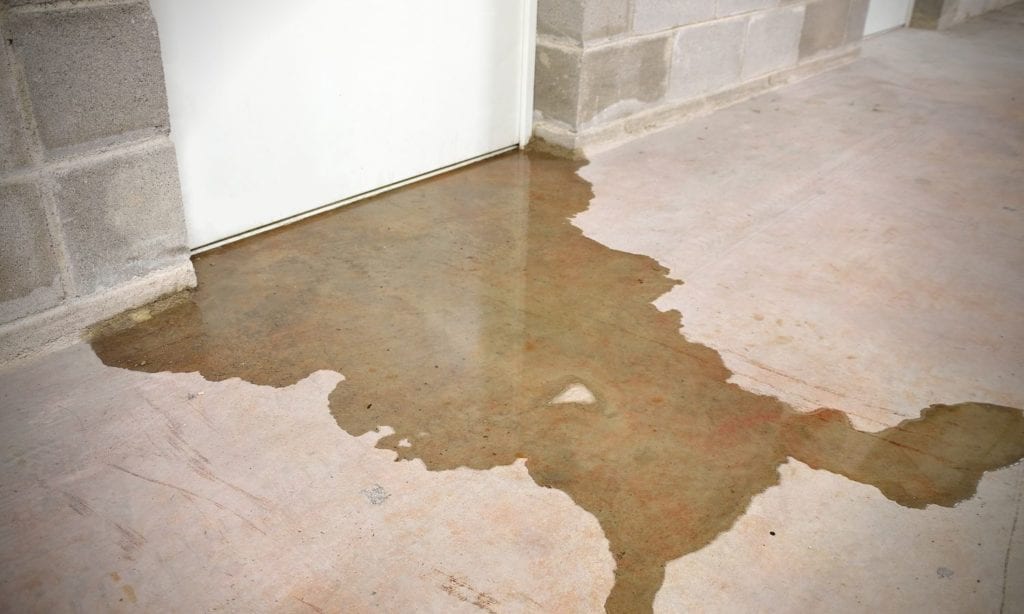
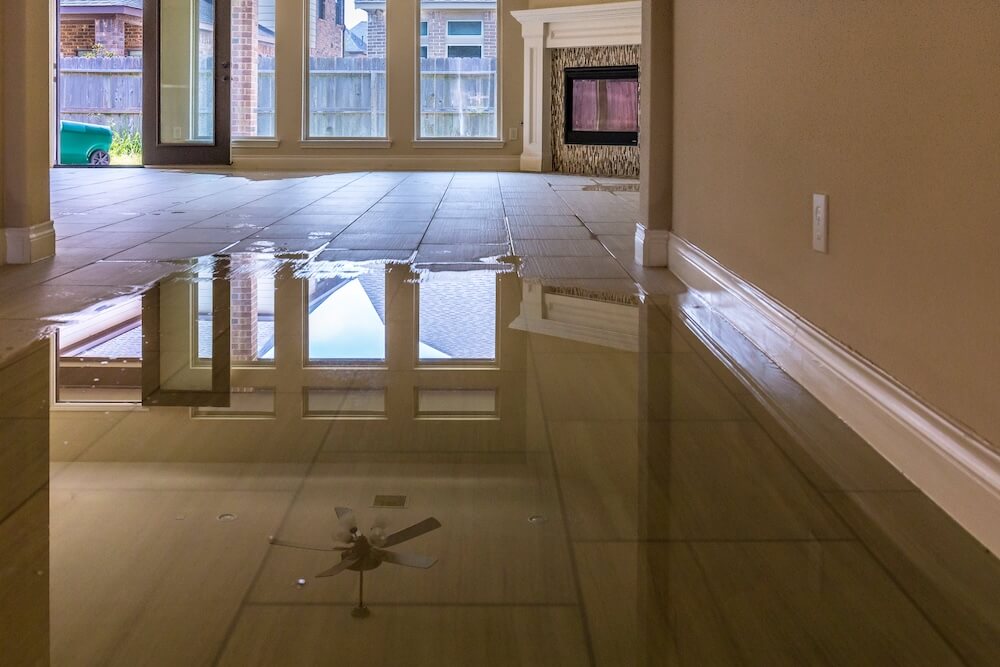
- Basement flooding is a common result of poor snowmelt control.
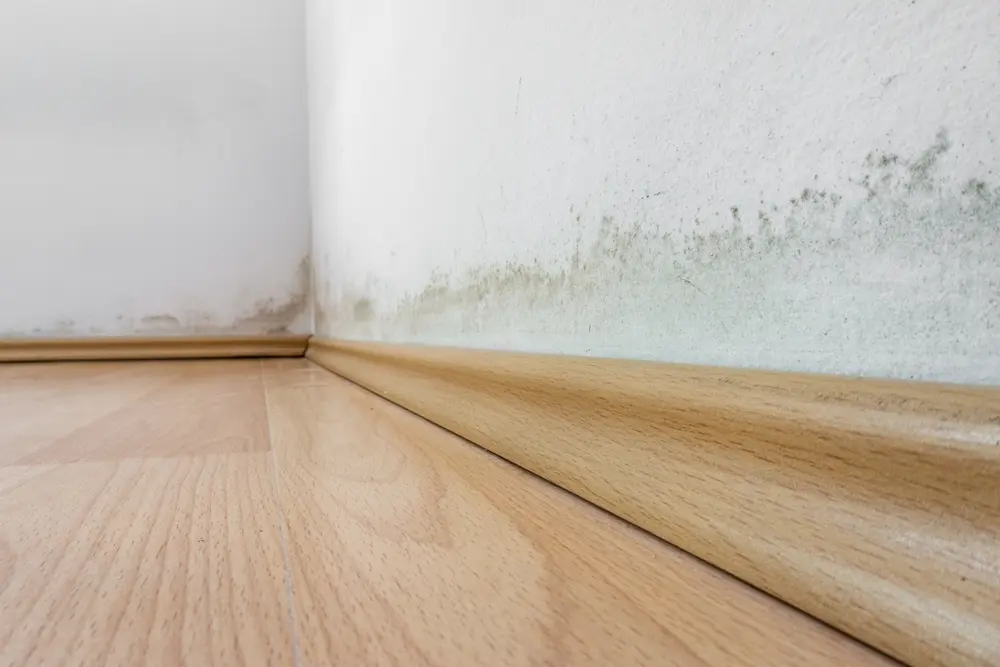
- Persistent moisture can lead to mold growth and unhealthy indoor air quality.
- Over time, water pressure against foundation walls may cause cracks or bowing.
Proactive steps can help you avoid expensive repairs and maintain a dry, stable home environment.
Key Strategies for Directing Snowmelt Away from Foundation
The most effective way to prevent water damage is to ensure that melting snow is directed away from your home’s perimeter. Here are several proven methods:
1. Clear Snow from the Foundation Perimeter
After each snowfall, use a shovel or snow blower to remove snow from at least 3–5 feet away from your foundation. This reduces the volume of water that can pool next to your home as temperatures rise.
2. Maintain Proper Grading
The ground around your house should slope away from the foundation at a minimum rate of 6 inches over the first 10 feet. This encourages water to flow away rather than accumulate. If you notice low spots or areas where water pools, fill them with soil and regrade as needed.
3. Keep Gutters and Downspouts Clear
Clogged gutters and downspouts can cause water to overflow and saturate the soil near your foundation. Clean them regularly and ensure downspouts extend at least 6 feet from the house. Consider installing extensions or splash blocks to further direct runoff away.
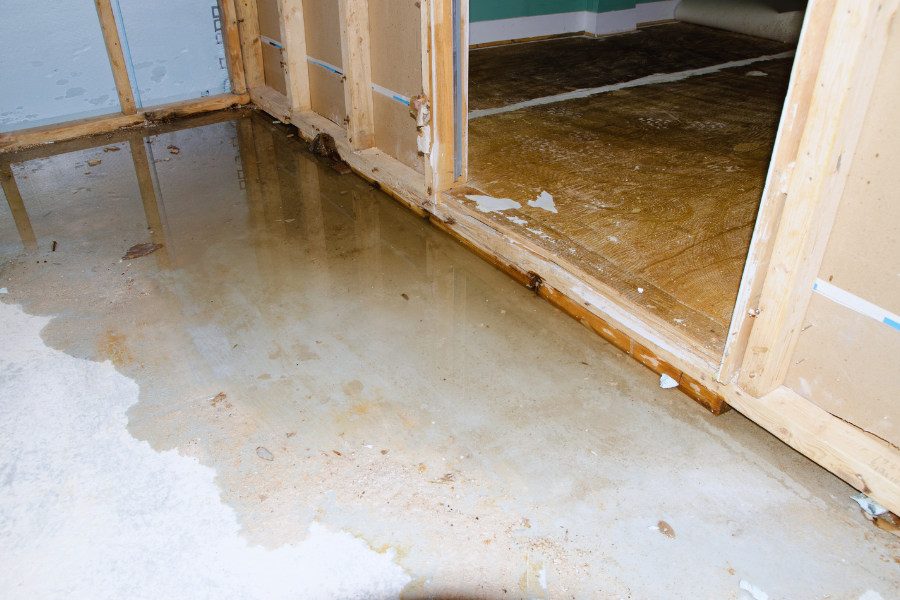
Preventing Water Intrusion During Thaw Cycles
As snow melts and refreezes, cycles of expansion and contraction can worsen existing cracks or create new entry points for water. To minimize the risk:
- Inspect your foundation for visible cracks each spring and seal them with appropriate caulk or epoxy.
- Install a sump pump in your basement if you are in a high-risk area for flooding.
- Consider adding a waterproof membrane to exterior foundation walls for an extra layer of defense.
For more tips on protecting your home from water intrusion, see this helpful guide to preventing interior water damage.
Recognizing Signs of Foundation and Basement Issues
Early detection is crucial for preventing small problems from becoming major repairs. Watch for these warning signs after snowmelt:
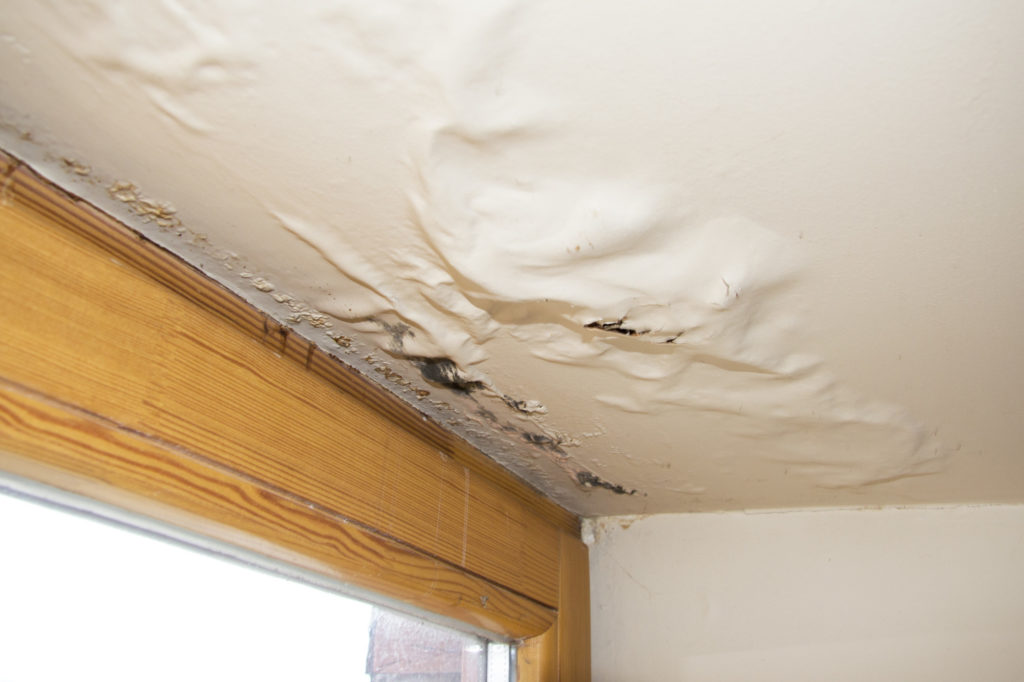
- Water stains or damp patches on basement walls or floors
- Musty odors indicating mold or mildew growth
- Efflorescence (white, chalky residue) on masonry surfaces
- Cracks in foundation walls, especially those wider than 1/8 inch
- Warped doors or windows that no longer close properly
Addressing these issues promptly can help you avoid costly structural repairs and maintain a safe, dry living space.

Tools and Products to Help Manage Snowmelt
Investing in the right tools can make it easier to control runoff and monitor for leaks. Consider these options:
- Pipe and toilet leak detectors can alert you to hidden water problems before they escalate.
- Downspout extensions and splash blocks help guide water away from your foundation.
- High-quality waterproof sealants are essential for patching cracks and gaps.
- Sump pumps with battery backup provide peace of mind during heavy melt periods.
Regular maintenance and early intervention are the best defenses against snowmelt-related damage.
Long-Term Solutions for Foundation Protection
While seasonal maintenance is important, some properties may benefit from more permanent upgrades:
- French drains installed around the perimeter of your home can collect and redirect groundwater away from the foundation.
- Exterior waterproofing membranes provide a barrier against moisture infiltration.
- Landscaping with native plants and proper mulching can help absorb excess water and reduce runoff.
Consult with a qualified contractor if you suspect ongoing water issues or if your home is located in an area with heavy snowfall and poor drainage.
Frequently Asked Questions
What should I do if I notice water pooling near my foundation during a thaw?
Act quickly by shoveling snow away from the foundation, checking that gutters and downspouts are clear, and using extensions to direct water further from your home. If pooling persists, regrade the soil and consider installing a sump pump or French drain.
How can I tell if snowmelt has caused damage to my basement?
Look for signs such as dampness, musty smells, visible mold, or water stains on walls and floors. Cracks in the foundation or warped doors and windows may also indicate underlying issues. Address these problems promptly to prevent further damage.
Are there any products that can help me monitor for leaks or water intrusion?
Yes, devices like pipe and toilet leak detectors can notify you of hidden leaks or moisture problems. These tools are especially useful in basements or crawl spaces where water damage may go unnoticed until it becomes severe.
Conclusion
Managing snowmelt near your home’s foundation is a critical aspect of property maintenance, especially in regions with harsh winters. By following the strategies outlined above—removing snow, maintaining grading, keeping gutters clear, and using the right tools—you can greatly reduce the risk of water damage and foundation problems. Stay proactive, monitor for warning signs, and invest in long-term solutions where necessary to keep your home safe and dry all year round.