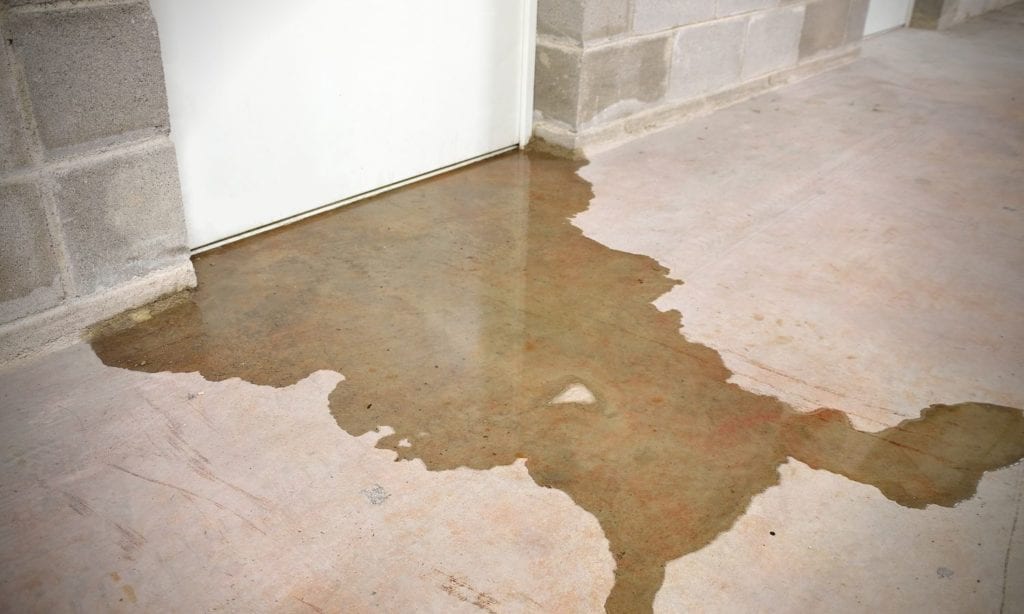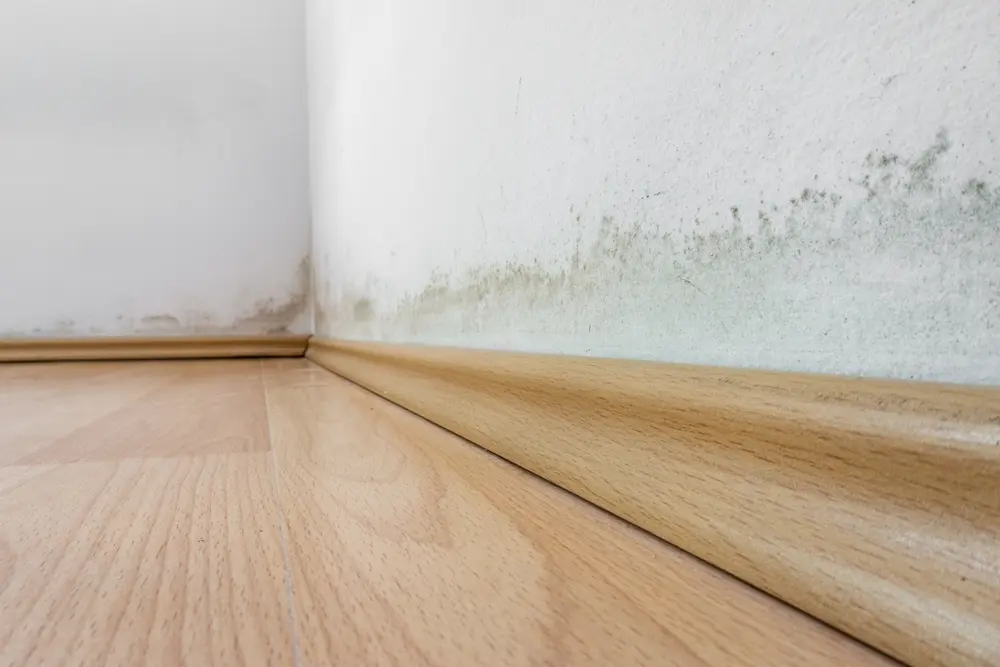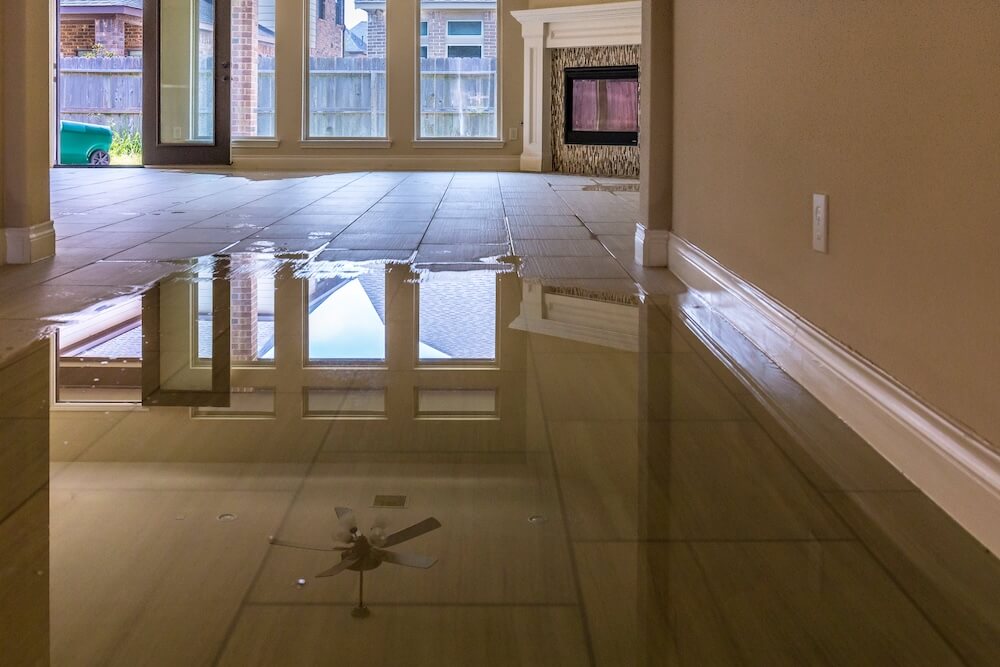
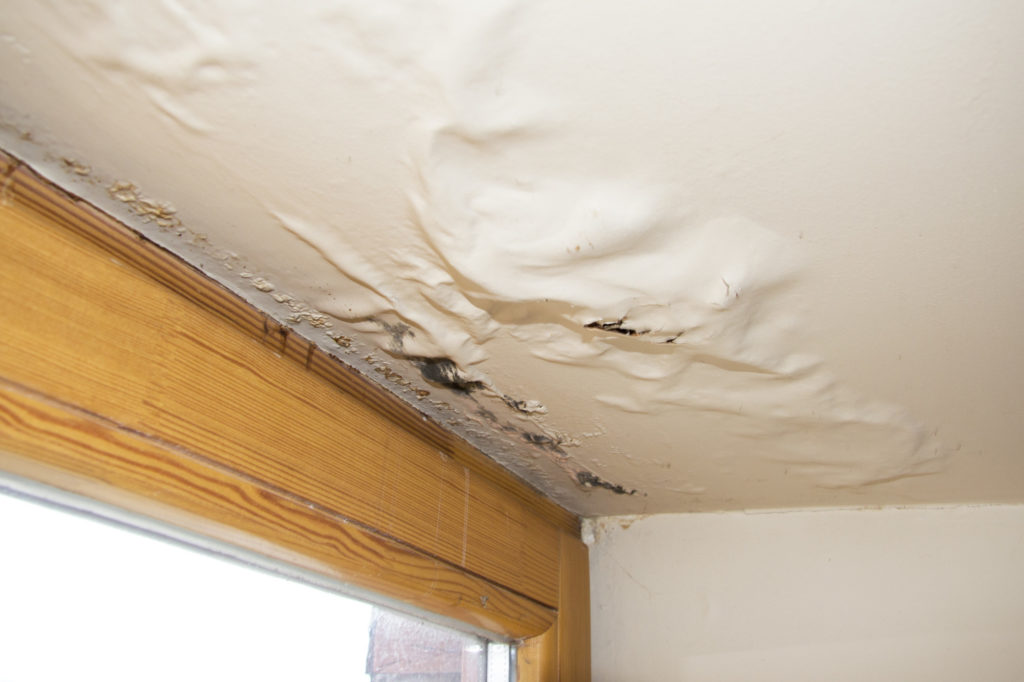
Effective yard drainage is essential for protecting your home and landscaping from the risks of excess water. Poor drainage can lead to soggy lawns, foundation issues, and costly repairs. Homeowners often overlook the importance of managing water flow around their property until problems arise. By understanding the best ways to enhance outdoor drainage, you can safeguard your investment and maintain a healthy, attractive yard.
Whether you’re dealing with pooling water after heavy rain or noticing erosion near your foundation, taking proactive steps can make a significant difference. In this guide, we’ll explore practical solutions, from grading and soil amendments to advanced drainage systems, so you can address water issues before they cause damage. For those interested in related home care tips, you might also find value in learning how to sanitize a cast iron press between cooking sessions.
Understanding the Causes of Poor Drainage
Before making improvements, it’s important to identify what’s causing water to accumulate in your yard. Common factors include:
- Improper grading – If your yard slopes toward your house or has low spots, water will naturally collect in those areas.
- Compacted or clay-heavy soil – Dense soils prevent water from soaking in, leading to surface runoff and puddling.
- Obstructed gutters and downspouts – When these are clogged or not directed away from your home, water can pool near the foundation.
- Lack of vegetation – Bare soil is more prone to erosion and runoff, while healthy plant roots help absorb and channel water.
Pinpointing the root cause will help you select the most effective drainage solutions for your property.
Grading and Slope: The Foundation of Effective Drainage
One of the most fundamental steps in improving yard drainage is ensuring your property is graded correctly. The ground should slope away from your home’s foundation at a minimum of 5% (about 6 inches over the first 10 feet). This encourages water to flow away from structures and prevents it from seeping into basements or crawl spaces.
To check your yard’s slope, use a long level and a measuring tape. If you find areas where water pools, consider adding soil to create a gentle slope. Avoid piling soil against siding or covering vents. For larger projects, consulting a landscaping professional may be worthwhile.
Soil Amendments and Planting Strategies
Soil composition plays a big role in drainage. If your yard has heavy clay or compacted earth, water will have trouble infiltrating. Amending soil with organic matter such as compost, leaf mold, or sand can improve its structure and permeability.
Incorporating native plants and deep-rooted grasses can also help. Their roots create channels for water to move through the soil, reducing runoff and erosion. Consider planting rain gardens in low-lying areas to capture and filter stormwater naturally.
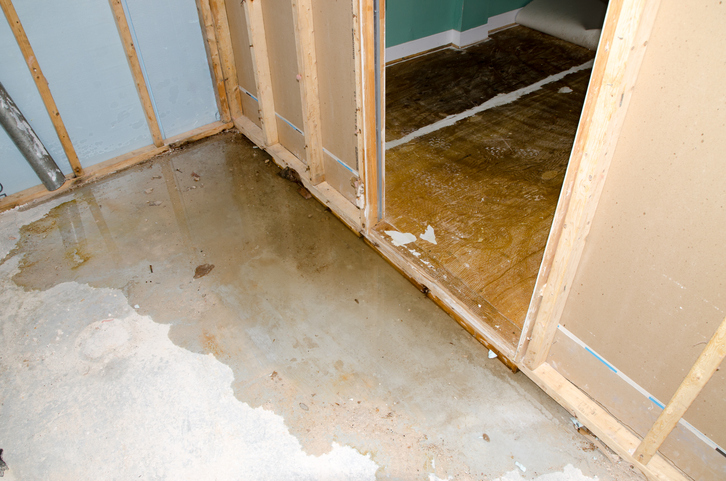
Installing Drainage Solutions for Persistent Problems
If grading and soil improvements aren’t enough, you may need to install dedicated drainage systems. Here are some effective options:
- French drains: These are trenches filled with gravel and a perforated pipe that redirects water away from problem areas. They’re ideal for managing subsurface water.
- Dry wells: These underground structures collect and disperse excess water, allowing it to slowly infiltrate into the surrounding soil.
- Channel drains: Installed along driveways or patios, these surface drains capture runoff and direct it away from your home.
- Rain barrels: Collecting water from downspouts in barrels not only prevents pooling but also provides a sustainable source for garden irrigation.
When installing any drainage system, ensure that water is directed at least 10 feet away from your foundation and does not flow onto neighboring properties.
Maintaining Gutters and Downspouts
Clogged or misdirected gutters are a leading cause of water damage around homes. Regularly clean gutters and check that downspouts extend far enough to keep water away from the foundation. Consider adding extenders or splash blocks if necessary.
For additional protection, installing gutter guards can minimize debris buildup and reduce maintenance needs. Keeping these systems in good working order is a simple yet powerful way to prevent water issues.
Preventing Water Damage with Smart Home Technology
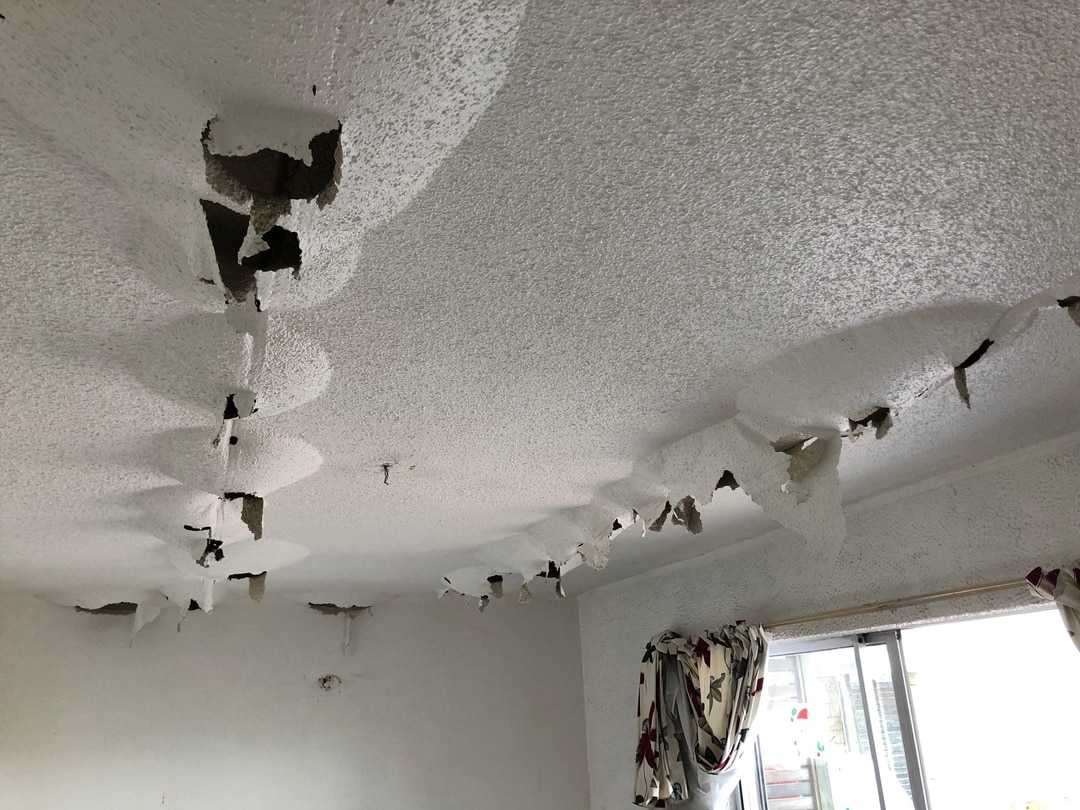
Modern technology offers new ways to monitor and prevent water-related problems. Leak detectors can alert you to issues before they escalate, saving you from costly repairs. These devices are especially useful for detecting hidden leaks in pipes or appliances.
For more information on safeguarding your property, review these best practices to protect your home while you are away. Combining smart monitoring with effective drainage ensures comprehensive protection against water damage.
Ongoing Maintenance and Seasonal Tips
Maintaining your yard’s drainage is not a one-time task. Regular inspections, especially after heavy rain, help you spot new issues early. Clear debris from drains, check for erosion, and monitor plant health. In colder climates, ensure that drainage pipes are protected from freezing and that runoff is directed away from walkways to prevent ice buildup.
Seasonal adjustments, such as aerating your lawn or adding mulch, can further improve water absorption and reduce surface runoff. Staying proactive with these tasks will keep your yard healthy and your home protected year-round.
Frequently Asked Questions
What are the signs that my yard has poor drainage?
Common indicators include standing water after rain, muddy patches that persist, water stains on your foundation, and erosion in garden beds. If you notice these issues, it’s time to assess your yard’s drainage and consider improvements.
Can I fix drainage problems myself, or should I hire a professional?
Many drainage issues, such as minor grading or adding soil amendments, can be handled by homeowners. However, for complex problems like installing French drains or addressing severe erosion, consulting a landscaping or drainage expert is recommended.
How often should I check my gutters and downspouts?
It’s best to inspect and clean gutters at least twice a year—once in the spring and again in the fall. After major storms, check for clogs or damage to ensure water is being directed away from your home.
Conclusion
Addressing drainage concerns is a crucial part of home maintenance. By understanding the causes of water accumulation and implementing solutions like proper grading, soil improvement, and dedicated drainage systems, you can protect your property from costly water damage. Don’t forget to maintain gutters, embrace smart technology, and stay vigilant with seasonal upkeep. For more practical advice on home care, explore topics such as how to store corn masa for pressing to keep your kitchen tools and ingredients in top shape.