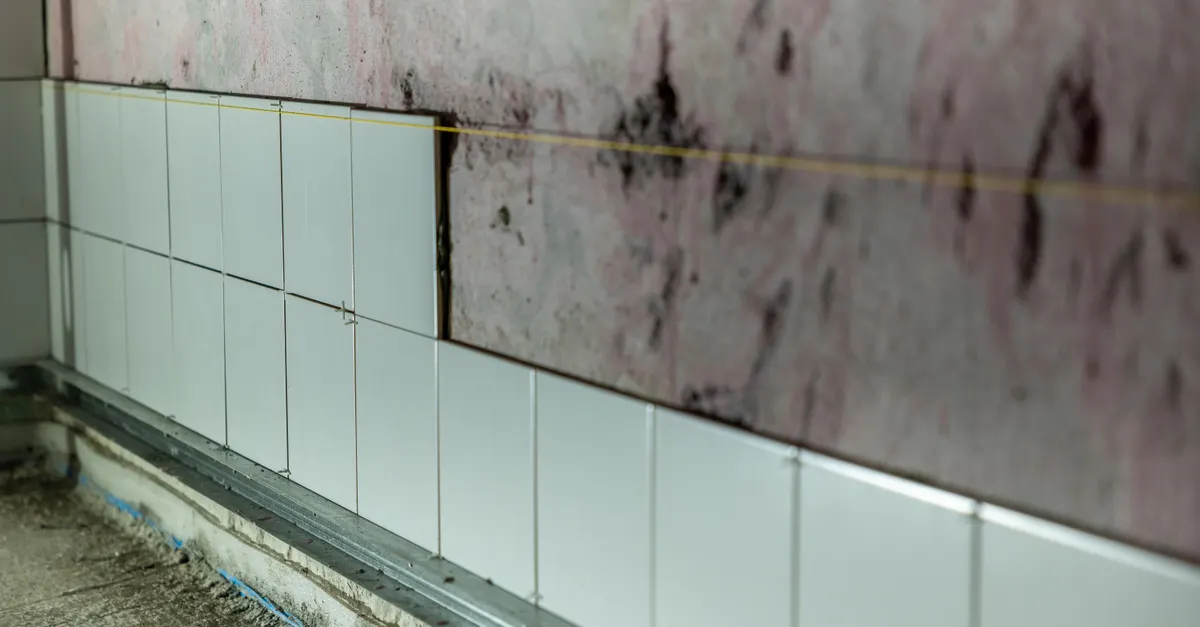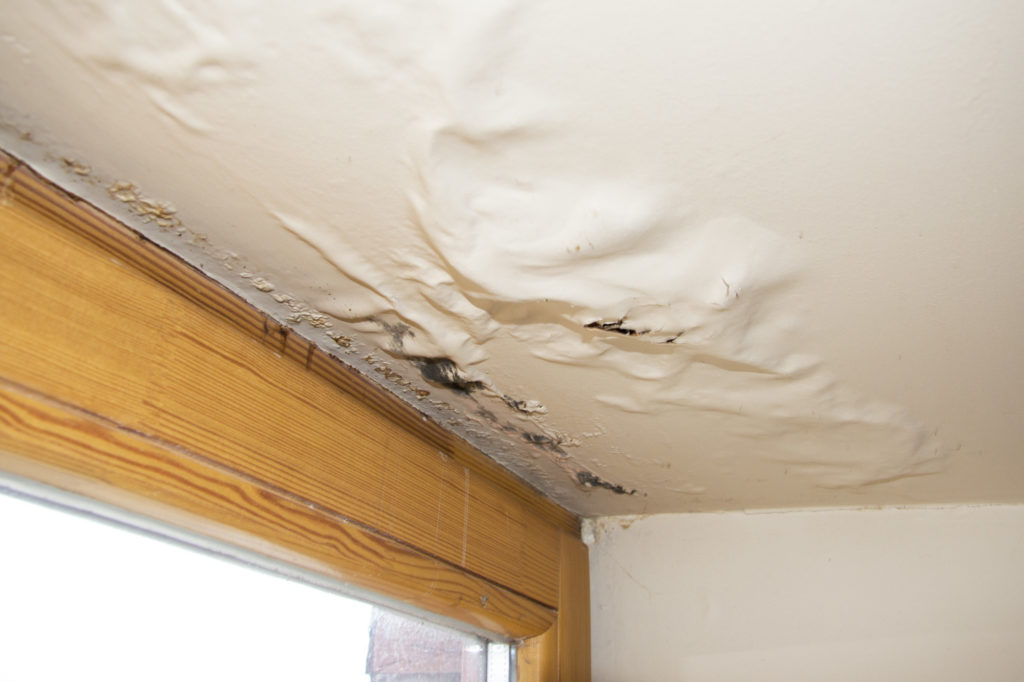

When it comes to maintaining a healthy home environment, understanding the dynamics of mold prevention vs ventilation is crucial. Mold can cause significant health issues and structural damage if not properly managed. Ventilation plays a pivotal role in controlling mold growth by regulating humidity and ensuring proper airflow. This comparison is vital for homeowners looking to safeguard their homes and health. Whether you’re a new homeowner or someone looking to improve your home’s air quality, this guide will help you understand the interplay between these two essential elements. For more detailed strategies, you might want to explore mold prevention in houses.

Quick Comparison
| Aspect | Mold Prevention | Ventilation |
|---|---|---|
| Key Features | Involves moisture control, use of mold-resistant materials, and regular inspections. | Ensures proper airflow, reduces humidity, and prevents moisture accumulation. |
| Pros |
|
|
| Cons |
|
|
| Ideal Use-Case | Best for homes in high-humidity areas or those with previous mold issues. | Essential for all homes, especially those with poor natural airflow. |
For more insights on preventing risks at home, consider reading about home risk prevention strategies.
Mold Prevention
Mold prevention is a proactive approach that involves controlling moisture levels, using mold-resistant materials, and conducting regular inspections. Mold thrives in damp environments, so the primary goal is to eliminate excess moisture and prevent mold spores from settling and growing.
Pros
- Reduces health risks associated with mold exposure.
- Prevents structural damage to the home.
- Improves overall indoor air quality.
Cons
- Can be costly to implement comprehensive prevention strategies.
- Requires ongoing maintenance and monitoring.
Ventilation
Ventilation is the process of supplying fresh air to a space while removing stale air. It plays a crucial role in controlling indoor humidity and preventing moisture accumulation, which are key factors in mold growth. Proper ventilation ensures that air circulates effectively, reducing the risk of mold.
Pros
- Cost-effective way to manage indoor air quality.
- Reduces the likelihood of mold growth.
- Enhances comfort by controlling temperature and humidity.
Cons
- May not be sufficient alone to prevent mold.
- Requires proper installation and maintenance.
Head-to-Head Comparison
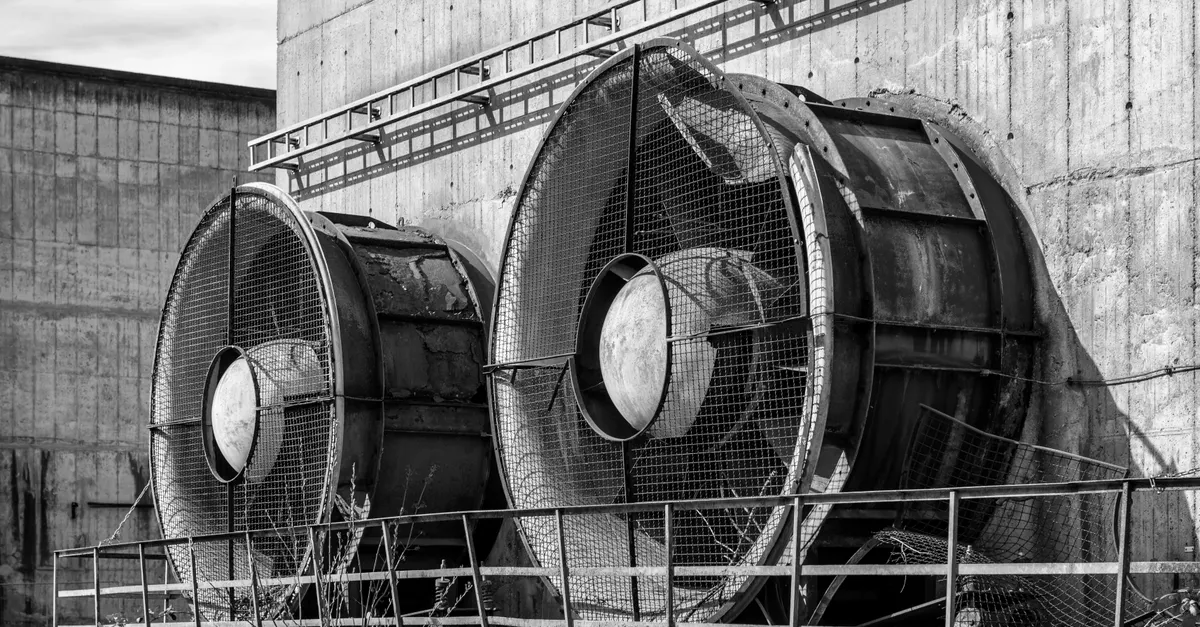
When comparing mold prevention vs ventilation, several factors come into play. In terms of performance, ventilation is excellent for maintaining air quality and reducing humidity, but it may not address all mold issues. Mold prevention strategies are more comprehensive but can be more expensive and labor-intensive. In terms of features, ventilation systems like the EZ Breathe are designed to improve airflow and reduce moisture, making them a good investment for homes with poor natural ventilation. Build quality varies by system, but proper installation is crucial for effectiveness. Pricing for ventilation systems is generally more affordable compared to extensive mold prevention measures. Durability depends on the system and maintenance level, with ventilation systems requiring regular upkeep to remain effective. Ultimately, ventilation is best for maintaining general air quality, while mold prevention is necessary for homes with high humidity or previous mold issues.
Which One Should You Choose?
Choosing between mold prevention and ventilation depends on your specific needs and circumstances. If you live in a high-humidity area or have experienced mold issues in the past, investing in comprehensive mold prevention strategies is advisable. However, if your primary concern is maintaining good air quality and preventing moisture buildup, a reliable ventilation system may suffice. For those looking to balance both, combining ventilation with targeted mold prevention measures offers the best protection.
When considering different ventilation systems for mold prevention, it’s important to evaluate their specific features and effectiveness. Systems like the EZ Breathe are designed to remove excess moisture and improve air quality, making them particularly effective in homes with poor natural ventilation. According to EZ Breathe, their system helps reduce moisture and mold in homes by enhancing airflow and reducing humidity levels. In contrast, traditional attic ventilation relies on balanced airflow through specific vent types, which can be effective if properly installed and maintained, as noted by The Crawl Crew.
To illustrate the effectiveness of ventilation in mold prevention, consider a case study of a home in a high-humidity area that implemented the EZ Breathe system. The homeowners reported a significant reduction in indoor humidity and a noticeable improvement in air quality within weeks of installation. This example underscores the potential of targeted ventilation systems to prevent mold growth effectively. However, it’s crucial to remember that while ventilation systems can significantly reduce the risk of mold, they should be part of a broader strategy that includes moisture control and regular inspections to ensure comprehensive protection against mold.
Frequently Asked Questions
How does ventilation help in preventing mold?
Ventilation helps by reducing indoor humidity and ensuring proper airflow, which prevents moisture accumulation—a key factor in mold growth.
Can ventilation alone prevent mold growth?
While ventilation significantly reduces the risk of mold, it may not be sufficient alone, especially in high-humidity environments. Additional mold prevention measures may be necessary.
What are the signs of poor ventilation leading to mold?
Signs include persistent humidity, condensation on windows, musty odors, and visible mold growth, particularly in areas with limited airflow.
What are the best practices for using ventilation to prevent mold?
Ensure balanced airflow with proper vent types, maintain ventilation systems regularly, and monitor humidity levels to prevent mold effectively.
What additional measures are needed alongside ventilation to prevent mold?
Complementary measures include moisture control, using mold-resistant materials, and regular inspections to detect and address mold issues early.