
Mold is a persistent problem in many homes, especially in areas with high humidity. When it takes hold in carpets and rugs, it can lead to unpleasant odors, damage to flooring, and even health concerns for those living in the space. Preventing mold from developing in these soft surfaces is not just about keeping things looking clean—it’s about maintaining a healthy indoor environment. In this guide, we’ll explore the main causes of mold in carpets and rugs, practical prevention strategies, and how to spot early warning signs before mold becomes a major issue.

Understanding Why Carpets Are Prone to Mold
Carpets and rugs provide an ideal environment for mold to thrive. According to professional sources, mold needs moisture, oxygen, a food source, and a surface to grow on. Carpets, especially those in basements, bathrooms, or areas with poor ventilation, often meet all these conditions. Spills, leaks, or even high humidity can introduce enough moisture for mold spores to settle and multiply. The fibers in carpets trap dust, skin cells, and other organic matter, which serve as a food source for mold. Without prompt attention, these conditions can quickly lead to growth that is both hard to detect and difficult to remove.
Health Risks Linked to Mold in Carpets
The presence of mold in carpets is more than an aesthetic concern. Mold exposure can cause allergic reactions and respiratory issues, as highlighted by industry experts. When mold grows, it releases spores and sometimes mycotoxins into the air, which can trigger symptoms such as sneezing, coughing, eye irritation, and in severe cases, asthma attacks or other respiratory problems. Children, the elderly, and those with compromised immune systems are particularly vulnerable. Maintaining clean carpets and preventing mold growth is essential not only for comfort but also for indoor air quality and overall health.
Humidity Control: The Foundation of Mold Prevention
One of the most effective ways to prevent mold in carpets and rugs is to control indoor humidity. Mold thrives in environments where relative humidity exceeds 60%. Keeping humidity levels below this threshold is key. Here are practical steps to manage moisture indoors:
- Use dehumidifiers in damp areas, especially basements and bathrooms.
- Ensure proper ventilation by opening windows when weather permits and using exhaust fans in kitchens and bathrooms.
- Fix leaks promptly—whether from plumbing, roofs, or windows—to prevent water from seeping into carpeted areas.
- Consider using a hygrometer to monitor humidity levels in your home.
For homes in flood-prone areas or those that have recently experienced water damage, it’s crucial to dry carpets thoroughly within 24–48 hours to prevent mold from taking hold. For more comprehensive strategies, you may find the advice on mold prevention after flooding especially relevant.
Cleaning and Maintenance Tips for Mold-Free Carpets
Routine cleaning and maintenance are central to keeping carpets and rugs free from mold. Here are some best practices:
- Vacuum regularly using a machine equipped with a HEPA filter to capture mold spores and allergens.
- Address spills and stains immediately by blotting up moisture and allowing the area to dry completely.
- Deep clean carpets at least once or twice a year, especially in high-traffic or moisture-prone areas. Consider using a carpet cleaner machine for more thorough results.
- Avoid over-wetting carpets during cleaning. Excess water can seep into the padding and subfloor, creating a hidden breeding ground for mold.
- Use area rugs in places where moisture is common, such as entryways or bathrooms, and wash them regularly.
For those with pets or young children, more frequent cleaning may be necessary, as organic debris can accumulate quickly and contribute to mold growth.
Early Detection: Spotting Mold Before It Spreads
Detecting mold in carpets before it becomes visible is crucial for preventing extensive damage. Early signs are often subtle but can include:
- Musty or earthy odors that persist even after cleaning.
- Unexplained allergy symptoms or respiratory discomfort when spending time in carpeted rooms.
- Discoloration or dark spots, especially in areas that have been wet or damp.
- Changes in carpet texture, such as unusual dampness or softness underfoot.
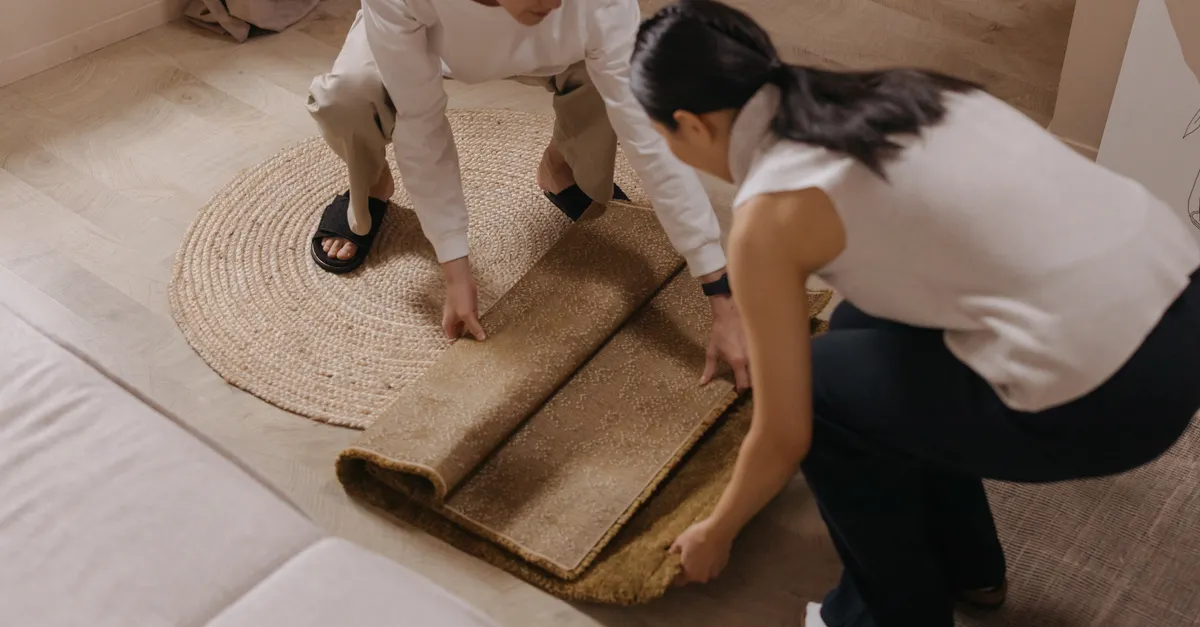
To check for hidden mold, lift the carpet in suspicious areas and inspect the padding and subfloor for staining or odor. If you notice any of these signs, avoid disturbing the area further, as this can release more spores into the air. Instead, consult a professional for a thorough assessment. Mold that has penetrated the padding or subfloor typically requires specialized remediation to ensure safe and complete removal.
If you’re renovating or planning major changes to your home, integrating mold prevention for home renovations into your planning can help safeguard your investment and health.
When to Seek Professional Help
While prevention and early detection are effective for managing minor issues, there are times when professional intervention is necessary:
- Mold covers a large area (greater than 10 square feet).
- Mold has penetrated deep into the carpet, padding, or subfloor.
- Household members experience persistent health symptoms that may be linked to mold exposure.
- You are unable to identify the source of moisture or the extent of the problem.
Professionals have the expertise and equipment to safely remove mold and address underlying moisture issues, reducing the risk of recurrence and protecting your health.
Recommended Tools and Products for Prevention
Several tools and products can make mold prevention easier and more effective:
- Dehumidifiers for maintaining optimal humidity levels.
- HEPA vacuums for capturing fine particles and spores.
- Carpet moisture sensors to detect hidden dampness.
- Antimicrobial sprays designed for use on carpets and rugs.
Always follow manufacturer instructions when using any cleaning or prevention product, and test in a small area first to ensure compatibility with your carpet or rug.
Conclusion: Key Takeaways for Mold Prevention
Preventing mold in carpets and rugs requires a proactive approach—controlling humidity, maintaining a regular cleaning routine, and staying alert to early warning signs. By understanding the conditions that allow mold to thrive and using the right tools, you can protect both your flooring and your health. Remember, when in doubt or when mold is extensive, it’s safest to consult a professional rather than attempt removal yourself. Prioritizing prevention and early detection will help maintain a clean, healthy indoor environment for years to come.
Frequently Asked Questions
What are the main causes of mold growth in carpets and rugs?
Mold grows in carpets when there is a combination of moisture, organic material (like dust or skin cells), and limited airflow. Common causes include spills that aren’t dried quickly, leaks, flooding, and high indoor humidity.
How can I tell if my carpet has mold before I see it?
Early signs of mold include a persistent musty odor, unexplained allergy symptoms, or dampness in the carpet. You may also notice discoloration or changes in texture. If you suspect hidden mold, check underneath the carpet for stains or a strong odor, but avoid disturbing the area too much to prevent spreading spores.
Is it safe to clean moldy carpets myself?
For small, surface-level spots, you can sometimes address the issue by drying and cleaning the area promptly. However, if the mold covers a large area, has reached the padding or subfloor, or if health symptoms are present, it’s best to seek professional help to ensure safe and thorough removal.