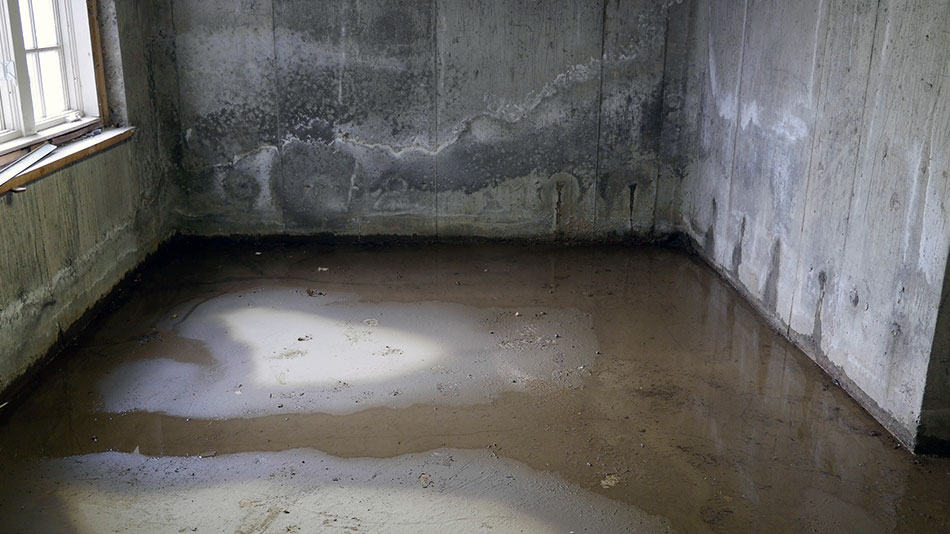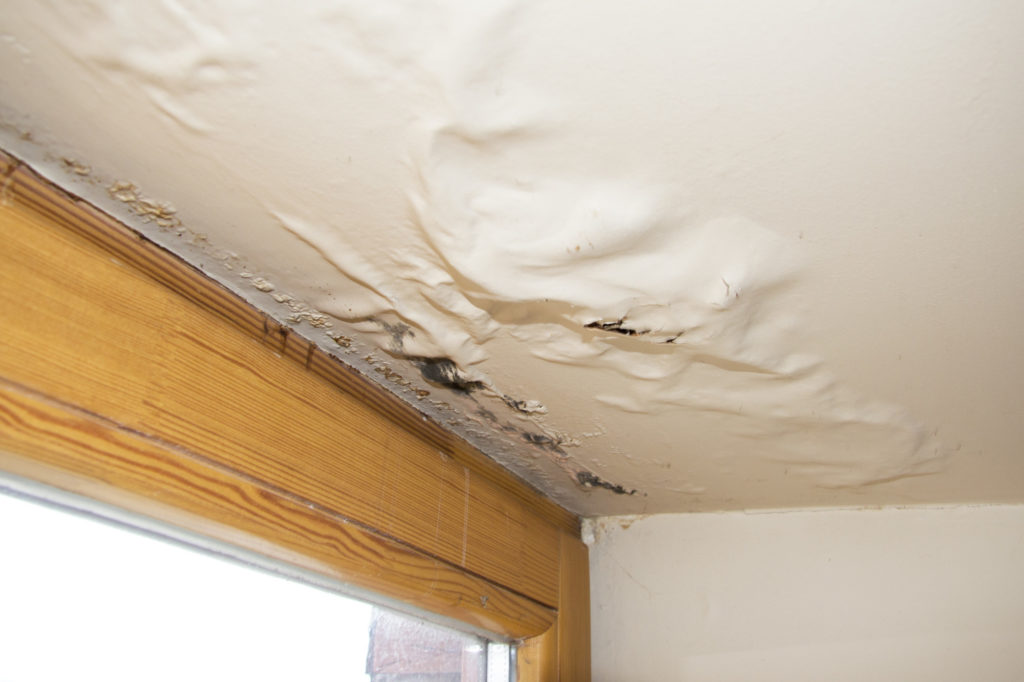
Protecting your living space from water intrusion is essential for maintaining structural integrity, preventing mold, and ensuring a healthy environment. Choosing the best waterproof materials for homes can make a significant difference in how well your property withstands moisture, leaks, and weather-related challenges. From basements to bathrooms and roofs to exterior walls, the right solutions can help you avoid costly repairs and enjoy peace of mind.
This guide explores top-rated options for waterproofing various parts of a house, their advantages, and practical tips for selecting and installing them. Whether you’re renovating, building new, or simply looking to upgrade your home’s defenses against water damage, understanding these materials is a smart first step. For those interested in additional preventative measures, learning about how to install a water shut-off valve can further enhance your home’s protection.
Why Waterproofing Is Essential for Every Home
Water damage is one of the most common and expensive issues homeowners face. Leaks, seepage, and high humidity can compromise foundations, walls, and even the air quality inside your house. Using water-resistant building materials is not just about preventing visible leaks—it’s about safeguarding your investment and health.
Effective waterproofing can:
- Reduce the risk of structural damage and costly repairs
- Prevent mold and mildew growth
- Improve indoor air quality
- Increase the longevity of your home’s components
- Enhance property value
Top Waterproofing Materials for Residential Use
Selecting the right products for each area of your house is crucial. Below are some of the most reliable and widely used options for keeping water out.
Membrane Systems: Sheet and Liquid-Applied Barriers
Membrane-based waterproofing is a popular choice for basements, bathrooms, and roofs. These systems form a continuous barrier that blocks water from penetrating surfaces.
- Sheet Membranes: Made from materials like bitumen, PVC, or EPDM rubber, these are rolled onto surfaces and sealed at the seams. They’re ideal for flat roofs and foundation walls.
- Liquid-Applied Membranes: These are painted or sprayed on, then cure to form a seamless, flexible layer. They’re especially useful for complex shapes and corners.
Both types offer excellent protection when installed correctly, with sheet membranes providing superior puncture resistance and liquid membranes excelling in ease of application.
Crystalline Waterproofing for Concrete
For concrete structures, crystalline waterproofing is a highly effective solution. These products penetrate the concrete and react with moisture to form crystals that block water pathways. This internal protection is ideal for foundations, retaining walls, and water tanks.
Benefits include:
- Permanent, self-sealing properties
- Ability to withstand hydrostatic pressure
- Minimal maintenance required
Waterproof Paints and Coatings
Waterproof paints and elastomeric coatings are commonly used for interior and exterior walls. These products create a water-repellent surface that helps prevent moisture from seeping in. While not as robust as membrane systems, they are cost-effective for areas with moderate exposure.
Sealants and Caulks
Joints, seams, and gaps are common entry points for water. High-quality sealants—such as silicone, polyurethane, or acrylic caulk—are essential for sealing around windows, doors, plumbing fixtures, and expansion joints. Regular inspection and reapplication can prevent leaks before they start.
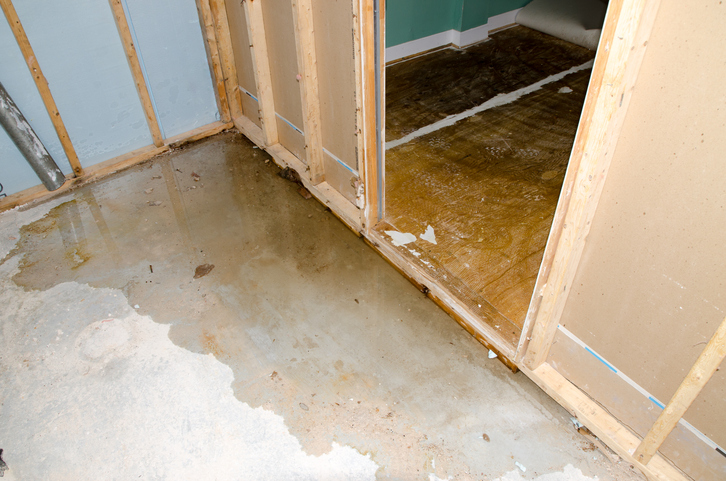
Waterproofing for Specific Areas of the Home
Basements and Foundations
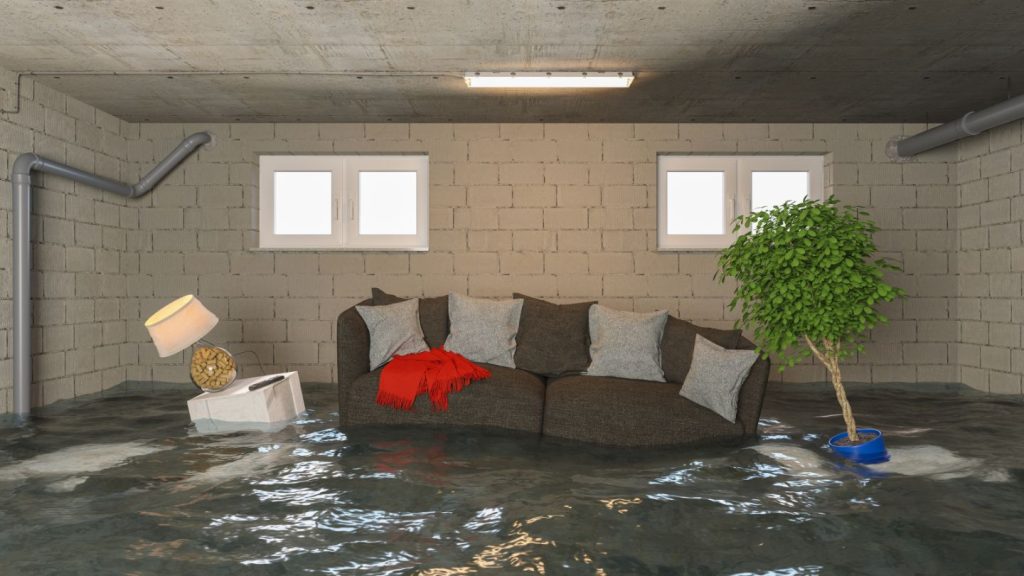
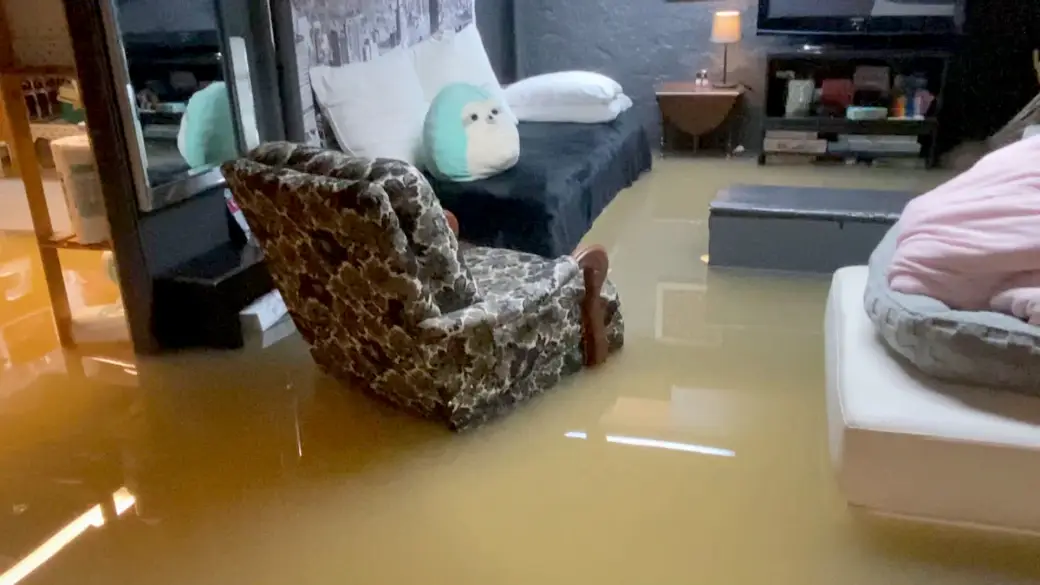
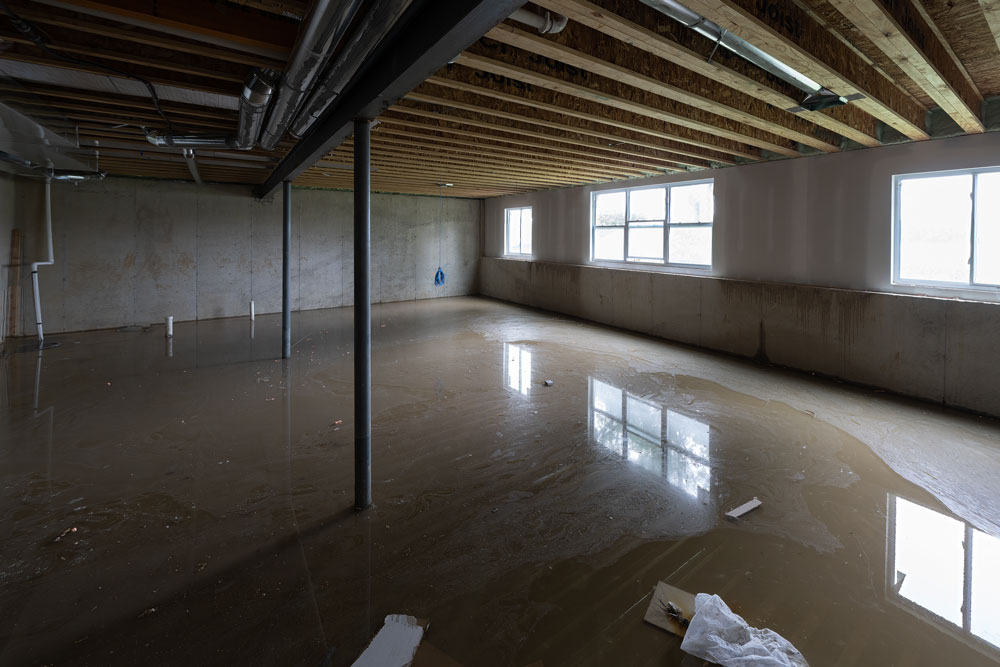
Below-ground spaces are especially vulnerable to water intrusion. Using sheet membranes or crystalline treatments on foundation walls, along with proper drainage systems, can keep basements dry and prevent long-term damage.
For added protection, consider installing a sump pump and ensuring that landscaping slopes away from your foundation.
Bathrooms and Wet Areas
Bathrooms, laundry rooms, and kitchens are exposed to frequent moisture. Liquid-applied membranes beneath tile, waterproof backer boards, and silicone sealants around fixtures are essential for preventing leaks and mold growth.
Roofs and Exterior Walls
The roof is your home’s primary defense against rain and snow. EPDM rubber, modified bitumen, and high-quality asphalt shingles are all strong choices for waterproofing. For exterior walls, elastomeric coatings and properly installed flashing help direct water away from vulnerable areas.
How to Choose the Right Waterproofing Solution
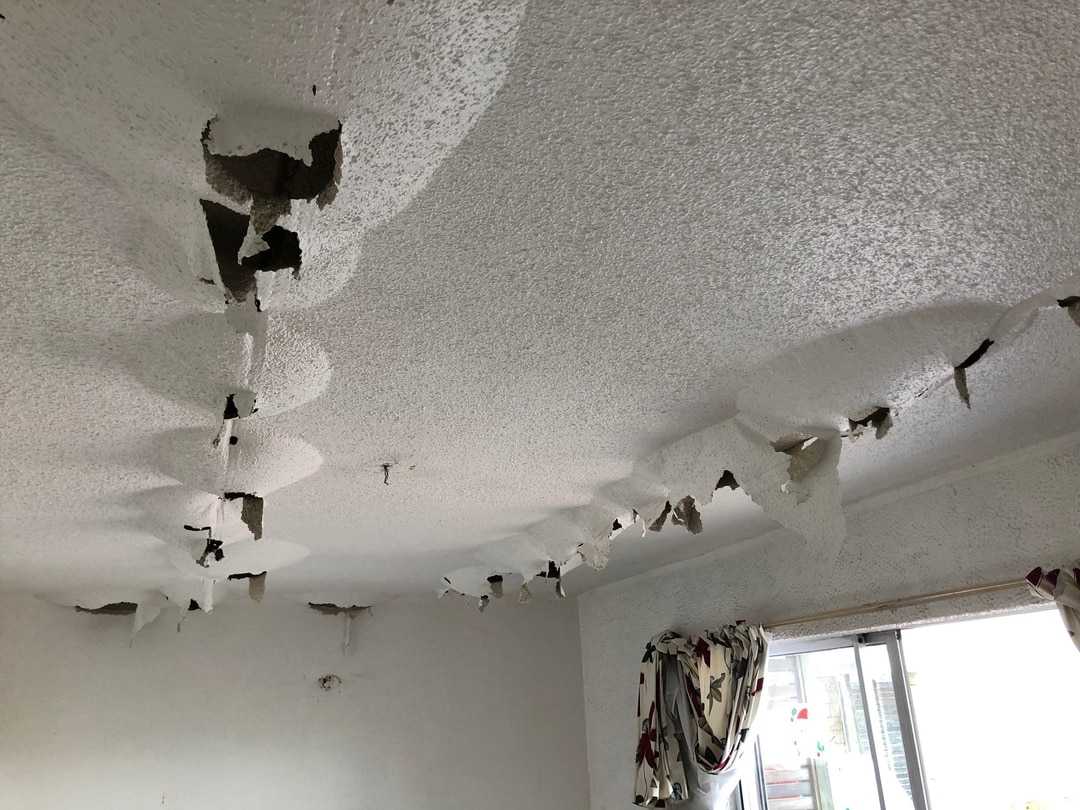
The best approach depends on your home’s age, location, and specific risk factors. Here are some tips for making the right choice:
- Assess Vulnerable Areas: Identify spots most likely to experience leaks, such as basements, bathrooms, and roofs.
- Consider Climate: Homes in wet or flood-prone regions require more robust solutions.
- Balance Cost and Longevity: While some products have a higher upfront cost, they may offer better long-term protection and lower maintenance.
- Professional Installation: For critical areas like foundations and roofs, hiring a professional ensures proper application and warranty coverage.
For additional strategies on safeguarding your property, you may want to explore replacing old hoses to prevent water damage and how to use leak detectors near appliances.
Extra Steps for Comprehensive Water Protection
Beyond selecting the right construction materials, proactive maintenance and smart technology can further reduce your risk. Installing smart home devices for leak prevention allows for early detection of leaks and automatic shut-off, minimizing potential damage.
For those who travel often or have second homes, following best practices to protect your home while you are away can be invaluable in preventing unexpected water issues.
Frequently Asked Questions
What are the most durable waterproofing materials for basements?
Sheet membranes and crystalline waterproofing products are considered among the most durable for below-grade applications. They provide long-term protection against hydrostatic pressure and are effective when combined with proper drainage.
Can waterproof paints replace membranes in wet areas?
Waterproof paints and coatings offer surface-level protection but are not a substitute for membranes in high-exposure areas like showers or basements. Membranes provide a more robust, long-lasting barrier against water intrusion.
How often should sealants and caulks be replaced?
It’s recommended to inspect sealants annually and replace them at the first sign of cracking, shrinking, or loss of adhesion. High-moisture environments may require more frequent maintenance to ensure ongoing protection.
Are there smart solutions to help prevent water damage?
Yes, smart leak detectors and automatic shut-off valves can alert you to leaks early and even stop water flow automatically. These devices are an excellent complement to physical waterproofing measures.
Conclusion
Investing in the right waterproofing materials for your home is a proactive way to protect your property, health, and finances. By understanding the strengths of different products and combining them with regular maintenance and smart technology, you can create a comprehensive defense against water damage. For further information on maintaining your home’s plumbing and water lines, see our guide on how to maintain appliance water lines.