Water damage from a burst pipe can be a nightmare for any homeowner. Not only does it threaten your property and belongings, but it can also lead to costly repairs and long-term structural issues. Understanding how to prevent flooding caused by pipe failures is essential for keeping your home safe and dry. This guide covers practical strategies, early warning signs, and essential tools to help you minimize the risk of water disasters.
Proactive steps and regular maintenance are the keys to reducing the chances of a plumbing emergency. If you’re looking for more comprehensive advice on protecting your home, consider exploring residential flood prevention strategies that really work.
Understanding the Risks of Pipe Bursts
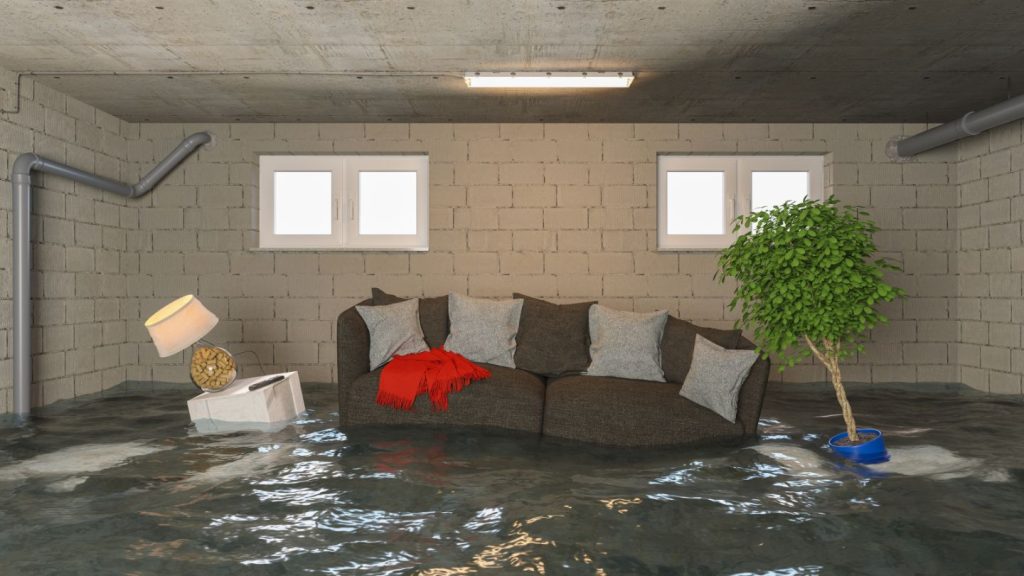
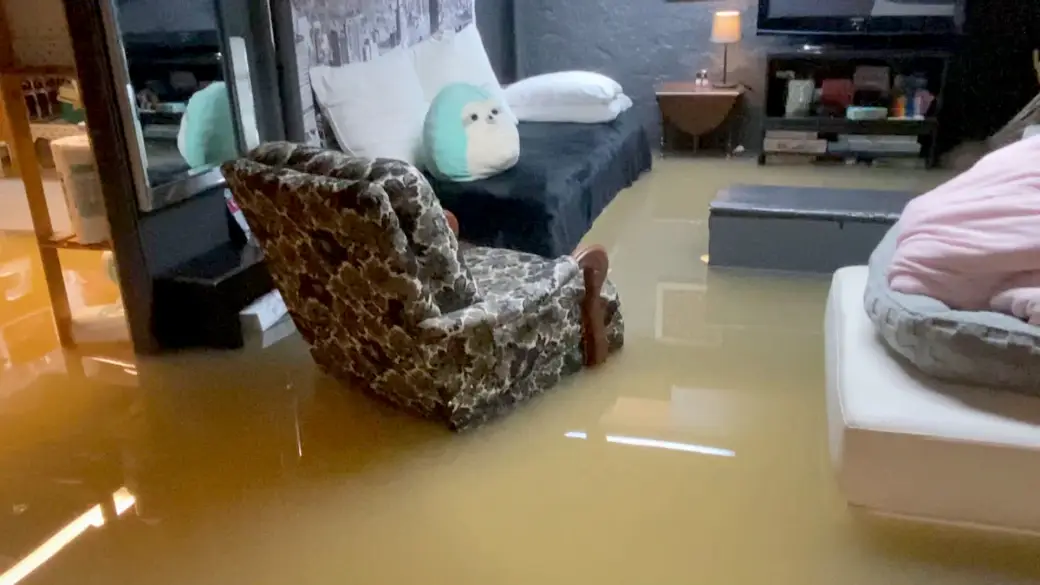
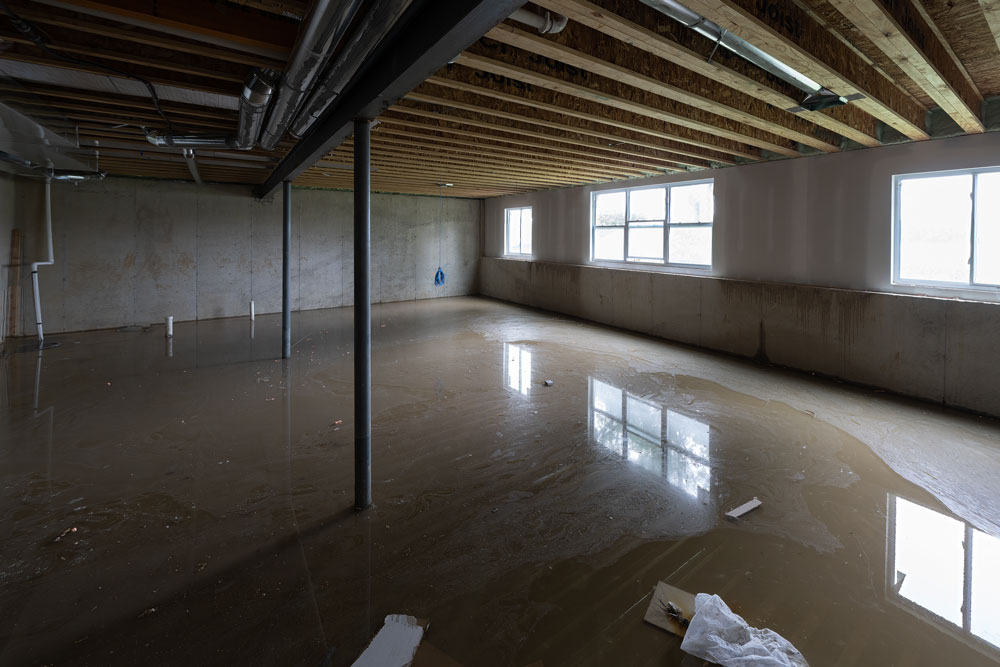
Pipes can rupture for several reasons, including freezing temperatures, corrosion, high water pressure, and physical damage. When a pipe bursts, water can quickly flood your home, damaging floors, walls, and valuables. The aftermath often involves extensive cleanup and restoration, making prevention a much better option than dealing with the consequences.
Regularly inspecting your plumbing system and addressing minor issues before they escalate is crucial. Homeowners should also be aware of the most common home flooding causes and how to avoid them.
Essential Burst Pipe Flood Prevention Strategies
Implementing a few straightforward measures can significantly lower the risk of water damage from a plumbing failure. Here are some of the most effective steps:
- Insulate Exposed Pipes: Pipes in unheated areas like basements, attics, and garages are especially vulnerable during cold weather. Use foam pipe insulation or heat tape to protect them from freezing.
- Monitor Water Pressure: Excessive water pressure can strain your plumbing system. Install a pressure regulator and keep your home’s water pressure below 60 psi to prevent stress on pipes.
- Fix Leaks Promptly: Even small drips can signal bigger problems. Address leaks as soon as you notice them to prevent further deterioration and potential bursts.
- Maintain Your Plumbing: Schedule regular inspections with a licensed plumber. They can identify weak spots, corrosion, or outdated materials that may need replacement.
- Know Your Main Shutoff Valve: In an emergency, shutting off the water supply quickly can minimize damage. Make sure everyone in your household knows where the main valve is located and how to operate it.
Smart Technology for Early Detection
Modern solutions can help you catch leaks and pipe failures before they become disasters. Installing a water leak detector is a smart investment for any homeowner. These devices alert you to moisture or leaks in vulnerable areas, giving you time to act before significant flooding occurs.
Some advanced systems can even shut off your water supply automatically when a leak is detected, providing an extra layer of protection. For more on safeguarding your property, check out this home flood prevention guide for essential tips every homeowner should know.
Seasonal Maintenance and Inspections
Seasonal changes can put extra stress on your plumbing system. In colder months, frozen pipes are a leading cause of water damage. Before winter, inspect your home for vulnerable pipes, seal gaps in exterior walls, and disconnect outdoor hoses.
Spring is also a critical time to check for leaks and water damage after thawing. A thorough spring home inspection for leaks can help you spot issues early and prevent future problems.
What to Do If a Pipe Bursts
Despite your best efforts, emergencies can still happen. If you discover a burst pipe:
- Shut off the main water valve immediately to stop the flow.
- Turn off electricity in affected areas to prevent electrical hazards.
- Move valuables and furniture away from the water source.
- Contact a professional plumber for repairs.
- Begin drying out the area as soon as possible to prevent mold growth.
Additional Tips for Minimizing Water Damage
There are several other ways to reduce the risk of serious flooding from a plumbing failure:
- Keep gutters and downspouts clear to direct water away from your foundation.
- Seal cracks in your basement walls and floors to prevent seepage.
- Store important documents and valuables in waterproof containers.
- Consider a sump pump for areas prone to flooding.
- Review your insurance coverage to ensure you’re protected against water damage.
For a broader look at keeping your home safe from water disasters, the flood mitigation guide for homeowners offers additional insights and practical solutions.
FAQ: Preventing Floods from Burst Pipes
How can I tell if my pipes are at risk of bursting?
Warning signs include frequent leaks, visible corrosion, low water pressure, and banging or clanking noises in your plumbing. Pipes in unheated or poorly insulated areas are especially vulnerable during cold weather.
What is the best way to protect pipes during freezing temperatures?
Insulate all exposed pipes, keep your home heated even when you’re away, and allow faucets to drip slightly during extreme cold to keep water moving. Disconnect garden hoses and shut off outdoor spigots.
Are water leak detectors worth installing?
Yes, water leak detectors provide early warnings of leaks or moisture, allowing you to act before major flooding occurs. Many models can send alerts to your phone or even shut off your water supply automatically.
Where can I find more information on preventing home flooding?
For a step-by-step approach to protecting your property, see this detailed guide to preventing home flooding.