
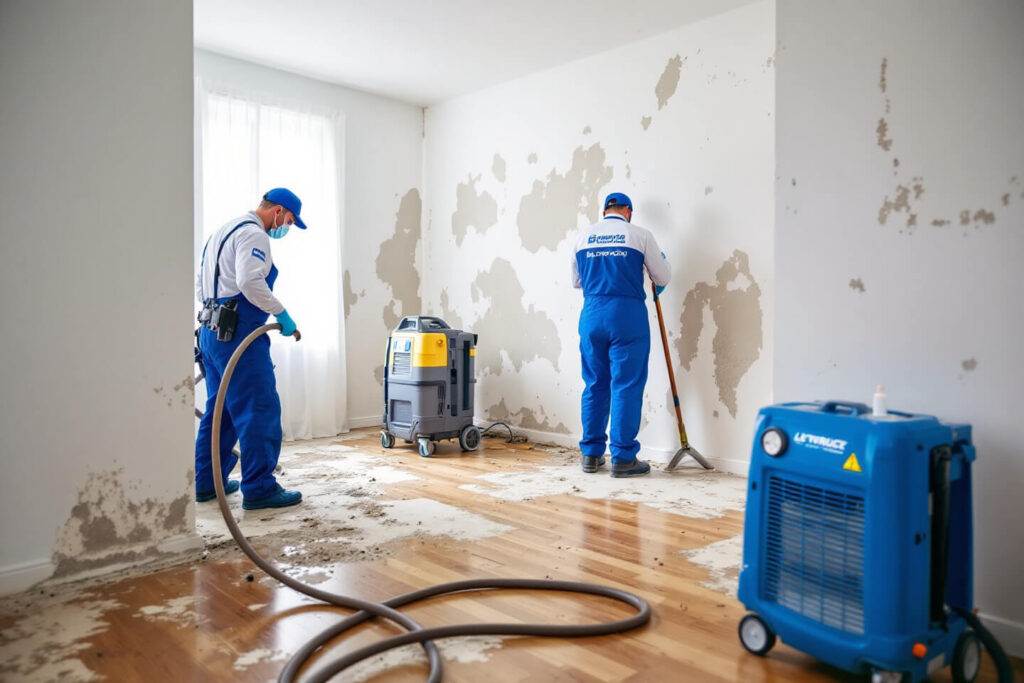
Plumbing leaks are among the most frequent sources of residential water damage. Even a small drip can lead to significant problems if left unchecked, including mold growth, structural deterioration, and expensive repairs. Understanding the most frequent types of leaks and how they develop is crucial for homeowners who want to protect their property and avoid costly restoration work.
This guide explores the most typical plumbing failures that result in water intrusion, explains how to spot early warning signs, and offers practical steps for prevention. By learning about these issues, you can take proactive measures to keep your home safe and dry. For more tips on keeping your living space moisture-free, see how to maintain a dry home.
Why Plumbing Leaks Are a Leading Cause of Water Damage
Water can be both a necessity and a hazard in the home. When plumbing systems fail, the resulting leaks often go unnoticed until substantial damage has occurred. Pipes are hidden behind walls, under floors, and in ceilings, making it easy for small leaks to persist for weeks or months. Over time, even minor seepage can rot wood, corrode metal, and create an environment where mold thrives.
According to insurance industry research, plumbing failures are one of the top reasons for water-related claims. The sooner you identify and address leaks, the less likely you are to face extensive repairs or health hazards.
Most Frequent Plumbing Issues That Lead to Water Intrusion
Some plumbing problems are more likely than others to result in water escaping into unwanted areas. Here are the most common culprits:
- Leaking Pipe Joints and Fittings: Over time, connections between pipes can loosen due to vibration, pressure changes, or corrosion. These joints are often hidden, making them a prime source of slow leaks that cause gradual water damage.
- Worn-Out Supply Lines: Flexible hoses that connect appliances like washing machines, dishwashers, and toilets can degrade, crack, or burst. Old rubber hoses are especially prone to failure, so regular inspection and replacement with braided stainless steel lines is recommended.
- Toilet Leaks: Toilets can leak at the base due to a failed wax ring, or from the tank because of worn-out flapper valves and fill mechanisms. These leaks often go unnoticed until flooring or subflooring is damaged.
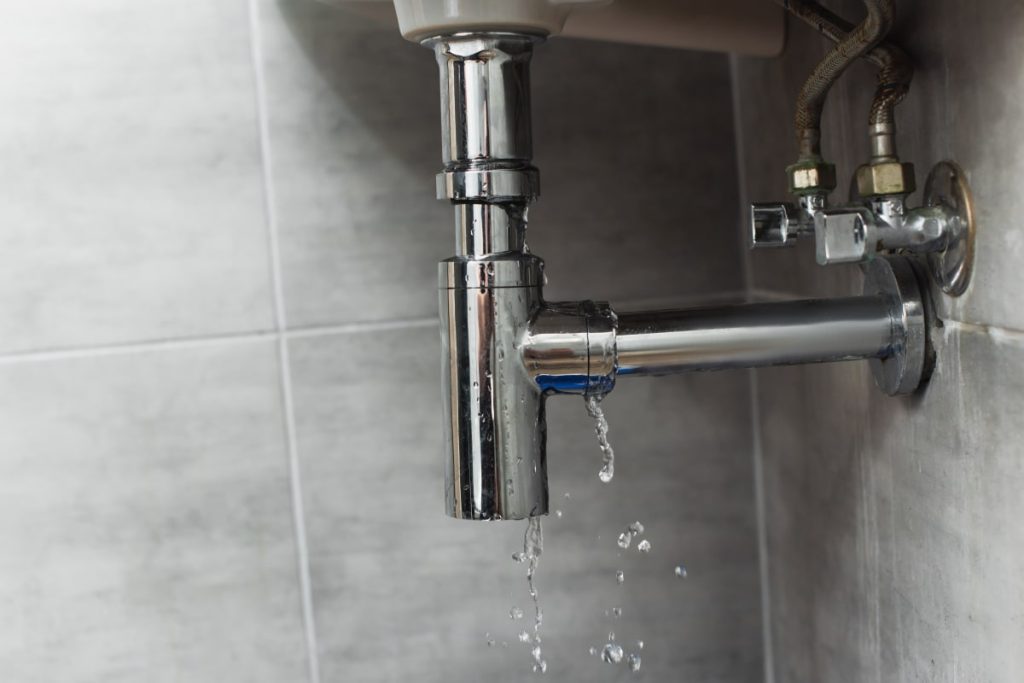
- Faucet and Sink Drips: Persistent drips from faucets or under-sink plumbing may seem minor but can add up to gallons of wasted water and hidden moisture issues in cabinets.
- Water Heater Failures: Tanks can rust from the inside, leading to slow leaks or sudden ruptures. Regular maintenance and timely replacement are critical for preventing catastrophic flooding.
- Clogged or Broken Drain Lines: Blockages or cracks in drain pipes can cause wastewater to back up or leak into walls and floors, leading to contamination and structural harm.

Warning Signs of Hidden Plumbing Leaks
Not all leaks are obvious. Many develop in concealed spaces, causing gradual harm before you notice any symptoms. Watch for these signs that may indicate a problem:
- Unexplained increase in your water bill
- Musty odors or visible mold growth
- Stains, bubbling, or discoloration on walls, ceilings, or floors
- Peeling paint or wallpaper
- Warped or buckling flooring
- Sound of running water when fixtures are off
If you suspect a hidden issue, check out this resource on how to spot hidden water damage for more detailed guidance.
Prevention Tips for Avoiding Plumbing-Related Water Damage
Taking proactive steps can help you avoid the headaches and expenses associated with water intrusion. Here are practical measures to reduce your risk:
- Inspect pipes and hoses regularly: Look for signs of corrosion, moisture, or wear—especially at joints and connections.
- Replace aging supply lines: Upgrade to braided stainless steel hoses for appliances and toilets, and replace them every 5–7 years.
- Maintain water heaters: Drain and inspect your tank annually, and replace it before it reaches the end of its expected lifespan (typically 8–12 years).
- Monitor water pressure: Excessive pressure can strain pipes and fittings. Install a pressure regulator if needed.
- Install leak detection devices: Smart sensors can alert you to leaks early, minimizing potential damage. For more advanced solutions, consider a pipe leak detector or a toilet leak detector.
- Know how to shut off your water supply: In an emergency, being able to quickly turn off water can prevent extensive flooding.
What to Do If You Discover a Leak
Quick action is essential if you find evidence of water escaping from your plumbing. Here are the immediate steps to take:
- Shut off the water supply: Turn off the main valve or the nearest shutoff to the affected area.
- Contain the water: Use towels, buckets, or a wet/dry vacuum to minimize spread.
- Document the damage: Take photos for insurance purposes.
- Contact a professional plumber: Some repairs require specialized tools and expertise.
- Begin drying out the area: Use fans and dehumidifiers to prevent mold growth.
For more detailed instructions on handling slow leaks, see how to stop a slow leak. If you want to get ahead of potential disasters, review these water damage prevention tips for homeowners.
Resources for Protecting Your Home from Water Damage
In addition to regular maintenance and prompt repairs, consider reading this comprehensive guide on protecting your home from water damage for further strategies and insights.
Planning ahead and staying vigilant can help you avoid the stress and expense of major repairs. For more on preparing your home, see what to do before water damage happens.
Frequently Asked Questions
How can I tell if I have a hidden plumbing leak?
Signs of a concealed leak include unexplained spikes in your water bill, musty smells, visible mold, stains or bubbling on walls and ceilings, and the sound of running water when no fixtures are in use. Moisture meters and leak detectors can also help identify problems early.
What are the most common places for plumbing leaks to occur?
The most frequent sources are pipe joints, appliance supply lines, toilet bases and tanks, under-sink connections, water heaters, and drain lines. Regularly checking these areas can help you catch issues before they escalate.
How can I prevent water damage from plumbing failures?
Inspect pipes and hoses regularly, replace old supply lines, maintain your water heater, monitor water pressure, and install leak detection devices. Knowing how to shut off your water supply quickly is also essential in an emergency.




