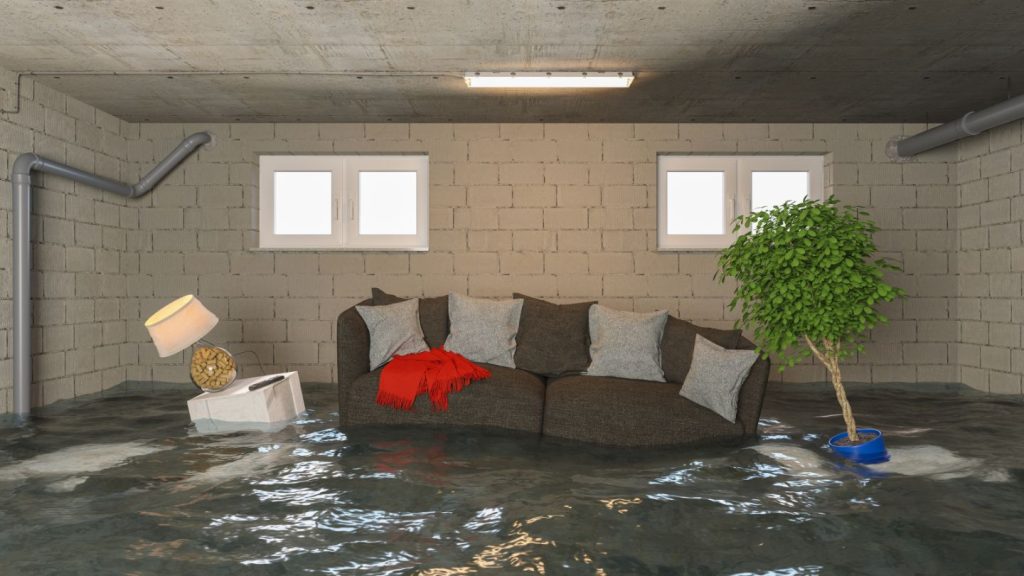
A leaking dishwasher can cause significant water damage, expensive repairs, and even mold growth if not addressed quickly. For homeowners, understanding how to prevent leaks is essential for maintaining a safe and efficient kitchen. This guide covers practical strategies for dishwasher leak prevention, from routine maintenance to smart upgrades, so you can protect your home and avoid unexpected headaches.
Whether you’re dealing with an older appliance or a brand-new model, taking proactive steps can make all the difference. We’ll walk through the most effective ways to minimize risk, highlight common causes of leaks, and share expert advice for keeping your kitchen dry and damage-free. For those interested in broader home protection, consider learning about smart water shutoff valves that can help prevent flooding throughout the house.
Understanding Common Causes of Dishwasher Leaks
Before diving into prevention, it’s important to know what typically leads to leaks. Most issues stem from worn-out components, improper installation, or neglecting routine care. By identifying these risks early, you can address small problems before they become major repairs.
- Damaged Door Seals: The rubber gasket around the door can crack or wear out, allowing water to escape during cycles.
- Loose or Faulty Hoses: Inlet and drain hoses may loosen over time or develop cracks, causing water to leak underneath the appliance.
- Clogged Filters and Drains: Food debris and mineral buildup can block water flow, leading to overflow or back-up.
- Improper Loading: Overloading or placing large items incorrectly can block spray arms and redirect water toward the door.
- Incorrect Detergent Use: Using too much or the wrong type of detergent can create excess suds, which may spill out.
Routine Maintenance for Leak-Free Operation
Consistent upkeep is the foundation of dishwasher leak prevention. Simple tasks performed regularly can extend the life of your appliance and reduce the risk of water escaping.
- Inspect Door Gaskets: Check the rubber seal around the door for cracks, tears, or buildup. Wipe it clean with a damp cloth and replace it if you notice any damage.
- Examine Hoses and Connections: Look under the sink and behind the dishwasher for any signs of moisture or corrosion. Tighten loose connections and replace hoses showing signs of wear.
- Clean Filters and Spray Arms: Remove and rinse the filter regularly to prevent clogs. Ensure spray arms spin freely and are free from debris.
- Use the Right Detergent: Always use dishwasher-specific detergent and follow the manufacturer’s recommendations for quantity.
- Run Empty Cycles with Vinegar: Once a month, run an empty cycle with a cup of white vinegar to dissolve mineral deposits and keep the interior clean.
Smart Upgrades for Enhanced Leak Detection
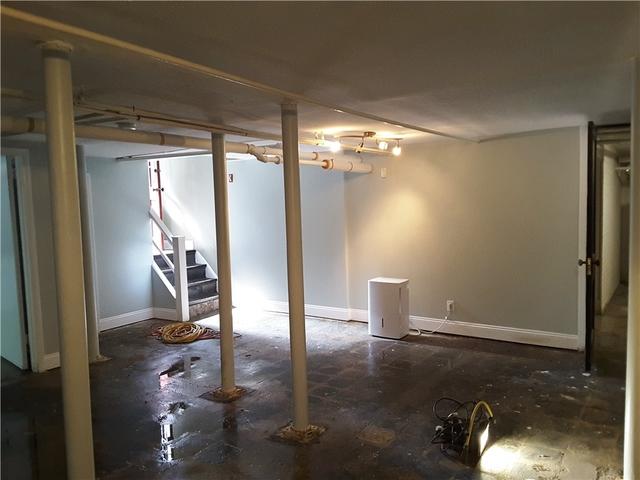
Technology can play a crucial role in protecting your home from water damage. Installing a water leak detector near your dishwasher provides early warning if moisture is detected, allowing you to act before a small leak becomes a disaster. These devices are affordable, easy to install, and can send alerts to your phone.
For even greater peace of mind, consider integrating smart water shutoff valves into your plumbing system. These devices automatically cut off water supply when a leak is detected, preventing extensive damage. If you’re interested in broader home protection, explore temporary flood protection systems and flood shields for doors for comprehensive solutions.
Installation and Usage Best Practices
Proper installation and mindful use are vital for minimizing the risk of leaks. Even the best-maintained appliance can fail if not set up correctly or used carelessly.
- Level the Dishwasher: Ensure the appliance sits evenly on the floor. An unbalanced dishwasher can cause water to pool and leak out.
- Secure All Connections: Double-check that water supply and drain hoses are tightly attached and not kinked or pinched.
- Follow Loading Guidelines: Place dishes according to manufacturer instructions, avoiding overloading and ensuring nothing blocks the spray arms or detergent dispenser.
- Check for Leaks After Installation: Run a short cycle and inspect underneath and around the appliance for any signs of water.
Responding Quickly to Signs of a Leak
Early detection and swift action are key to limiting water damage. If you notice puddles, dampness, or musty odors near your dishwasher, investigate immediately. Turn off the water supply, unplug the appliance, and dry the area thoroughly. Address the source of the leak before resuming use.
In cases of significant water intrusion, it’s wise to consult a professional plumber or appliance technician. For additional tips on protecting your home from water-related disasters, see our burst pipe flood prevention guide.
Building a Flood-Resistant Home
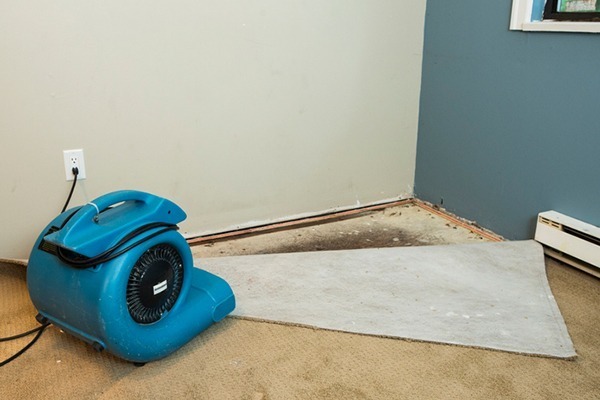
Beyond the kitchen, there are broader steps you can take to make your entire home more resilient to water damage. Incorporating flood-resistant home design strategies can help protect against leaks and flooding from various sources, not just appliances. These might include installing sump pumps, using water-resistant building materials, and ensuring proper drainage around your property.
For those living in flood-prone areas, consider additional measures such as flood vents installation to allow water to flow through crawl spaces without causing structural damage.
Frequently Asked Questions
How often should I check my dishwasher for leaks?
It’s recommended to inspect your dishwasher and its connections at least once every three months. Regular checks help catch minor issues before they become serious problems.
What are the first signs that my dishwasher might be leaking?
Early indicators include water pooling on the floor, dampness around the base, musty odors, or visible rust and corrosion on hoses and fittings. If you notice any of these, investigate immediately.
Can a water leak detector really prevent major damage?
Yes, a water leak detector can alert you to moisture as soon as it’s detected, giving you time to shut off the water and address the issue before it causes extensive damage. Combined with regular maintenance, these devices are a valuable part of any homeowner’s leak prevention strategy.