
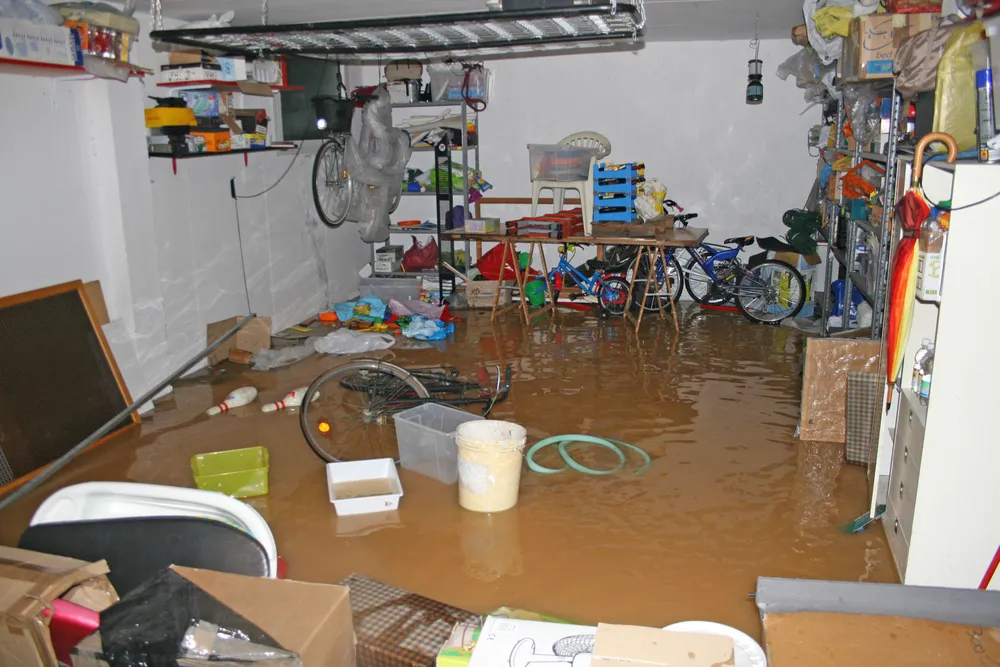
Flooding is one of the most common and costly disasters facing property owners in the United States. Yet, many people are unsure whether their standard home insurance policy covers flood damage or if they should purchase additional protection. Understanding the risks, coverage options, and requirements can help you make an informed decision about whether flood insurance is necessary for your situation.
This article provides a thorough overview of the need for flood insurance, including who should consider it, what it covers, and how to evaluate your home’s risk. If you’re looking for a deeper dive into the essentials, you may want to review flood insurance basics for homeowners.
Understanding Flood Insurance and Why It Matters
Many homeowners mistakenly believe that their regular home insurance will cover flood-related losses. In reality, most standard policies exclude damage caused by flooding. This means that without a separate flood insurance policy, you could be responsible for paying out of pocket for repairs, replacements, and cleanup after a flood event.
Flood insurance is a specialized policy designed to cover losses resulting from water damage caused by natural flooding events, such as heavy rain, overflowing rivers, storm surges, or rapid snowmelt. The National Flood Insurance Program (NFIP), managed by FEMA, is the primary provider of these policies, though private insurers also offer options in some areas.
Who Should Consider Flood Insurance?
The question of do homeowners need flood insurance depends on several factors, including your property’s location, local climate, and mortgage requirements. Here are some key considerations:
- High-Risk Flood Zones: If your home is located in a FEMA-designated Special Flood Hazard Area (SFHA), your lender may require you to carry flood insurance as a condition of your mortgage.
- Moderate- to Low-Risk Areas: Even if you’re not in a high-risk zone, floods can and do happen anywhere. In fact, more than 20% of flood claims come from properties outside high-risk areas.
- Recent Weather Events: If your region has experienced increased rainfall, hurricanes, or rapid development that affects drainage, your risk may be higher than in previous years.
- Peace of Mind: Homeowners who want to protect their investment from unexpected disasters often choose to add this layer of coverage.
What Does Flood Insurance Cover?
Flood insurance typically covers two main areas: the structure of your home and your personal belongings. Here’s a breakdown of what’s usually included:
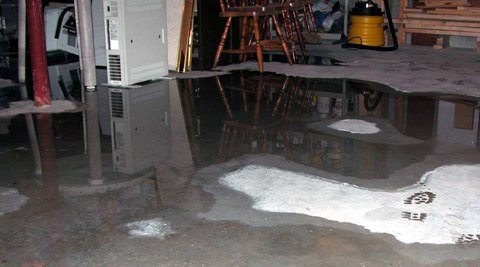
- Building Coverage: Protects the physical structure, including the foundation, electrical and plumbing systems, HVAC equipment, appliances, and permanently installed carpeting or paneling.
- Contents Coverage: Covers personal property such as furniture, electronics, clothing, and certain valuables up to specified limits.
It’s important to note that flood insurance does not cover all types of water damage. For example, it won’t pay for moisture or mold issues that could have been prevented with proper maintenance. If you’re dealing with the aftermath of a flood, using dehumidifiers after flooding can help minimize further damage.
Assessing Your Flood Risk as a Homeowner
Determining whether you should invest in flood insurance starts with understanding your property’s risk level. FEMA’s Flood Map Service Center allows you to search for your address and see your flood zone designation. However, risk is not limited to high-risk areas—urban development, climate change, and local drainage issues can all increase the likelihood of flooding.
You can also use third-party tools and consult local government resources to get a more detailed picture. For practical steps to reduce your risk, review this flood mitigation guide for homeowners.

How to Purchase Flood Insurance
If you decide that additional protection is right for you, you can purchase a policy through the NFIP or from a private insurer. Here’s how to get started:
- Contact your insurance agent to ask about flood coverage options and rates.
- Compare policies and coverage limits to ensure you’re getting the protection you need.
- Keep in mind that there is typically a 30-day waiting period before coverage takes effect, so don’t wait until a storm is approaching.
For more information on preparing your home for severe weather, see what to do before a flood to help minimize potential losses.
Steps to Take After a Flood Event
If your home experiences flooding, it’s important to act quickly to limit damage and ensure your safety. Here are some recommended steps:
- Ensure the property is safe before entering. Watch for electrical hazards and structural damage.
- Document all damage with photos and videos for your insurance claim.
- Contact your insurance provider to start the claims process as soon as possible.
- Begin cleanup and drying efforts promptly to prevent mold growth. You can find more tips in flood cleanup safety tips and preventing mold growth after flood.
Frequently Asked Questions
Is Flood Insurance Required for All Homeowners?
Flood insurance is only mandatory for properties in high-risk flood zones with federally backed mortgages. However, even if it’s not required, many experts recommend considering coverage due to the unpredictability of flooding events.
Does Homeowners Insurance Cover Flood Damage?
Standard homeowners insurance policies do not cover damage caused by flooding. A separate policy is needed to protect your home and belongings from flood-related losses.
How Much Does Flood Insurance Cost?
The cost of a flood insurance policy varies based on your location, property value, coverage limits, and risk factors. On average, premiums can range from a few hundred to several thousand dollars per year. Your insurance agent can provide a personalized quote.
What Isn’t Covered by Flood Insurance?
Flood insurance generally does not cover temporary housing, landscaping, vehicles, or damage caused by sewer backups (unless you purchase additional coverage). Maintenance-related issues and gradual water seepage are also excluded.
Conclusion
Deciding whether to purchase flood insurance comes down to understanding your risk and the potential financial impact of a flood event. While not every homeowner is required to have this coverage, the increasing frequency of severe weather makes it a wise consideration for many. By evaluating your property’s risk, reviewing available policies, and taking proactive steps to protect your home, you can make a well-informed decision that safeguards your investment.




