
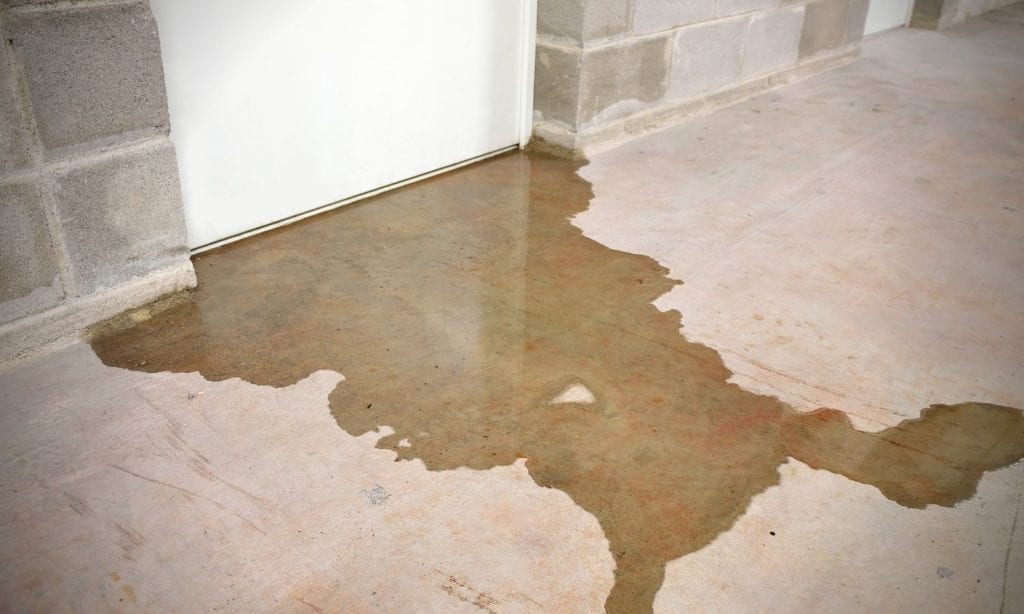
Water leaks can cause significant damage to your home if not addressed promptly. Whether you’re dealing with a dripping faucet, a leaking pipe, or water seeping into your basement, knowing how to handle minor leaks yourself can save time and money. This guide shares practical advice and step-by-step instructions for tackling common household leaks, empowering homeowners to take action before issues escalate.
While some repairs require professional help, many leaks can be managed with basic tools and a little know-how. By learning the essentials of leak detection and repair, you’ll be better prepared to protect your property and avoid costly water damage. For those interested in related home maintenance topics, you might also find value in learning how to sanitize a cast iron press between cooking sessions.
Understanding Common Household Leaks
Leaks can develop in various parts of the home, from plumbing fixtures to appliances and even the building’s structure. Recognizing the source is the first step toward effective repair. Here are some of the most frequent culprits:
- Leaking faucets: Often caused by worn washers or seals.
- Pipe leaks: Result from corrosion, loose joints, or freezing temperatures.
- Toilet leaks: Frequently due to faulty flappers or fill valves.
- Appliance leaks: Washing machines, dishwashers, and water heaters can all develop leaks over time.
- Basement seepage: Water entering through foundation cracks or poor drainage.
Early detection is essential. Look for signs such as water stains, musty odors, peeling paint, or unexplained increases in your water bill.
Essential Tools and Materials for DIY Leak Repairs
Before starting any repair, gather the necessary supplies. Having the right tools on hand will make the process smoother and more efficient. For most basic leak fixes, you’ll need:
- Adjustable wrench
- Plumber’s tape (Teflon tape)
- Pipe repair clamp or epoxy putty
- Replacement washers and O-rings
- Bucket and towels
- Flashlight
- Utility knife
- Protective gloves
For persistent leaks or hard-to-reach areas, consider investing in a pipe leak detector or a toilet leak detector to help pinpoint the problem quickly.
Step-by-Step Guide to Fixing Leaks Yourself
Stopping Dripping Faucets
A dripping faucet is a common annoyance that can waste gallons of water over time. Here’s how to address it:
- Turn off the water supply under the sink.
- Remove the faucet handle using a screwdriver.
- Take out the stem or cartridge and inspect the washer or O-ring.
- Replace any worn parts with new ones.
- Reassemble the faucet and turn the water back on to check for leaks.
Repairing Leaky Pipes
Pipe leaks often occur at joints or due to corrosion. For a temporary fix:
- Shut off the main water supply.
- Dry the area around the leak thoroughly.
- Wrap plumber’s tape around the joint or apply epoxy putty to the affected area.
- If available, use a pipe repair clamp for added security.
- Turn the water back on and monitor for further leaks.
For more permanent solutions, replacing the damaged section of pipe may be necessary. If you’re not comfortable with this, consult a licensed plumber.
Addressing Toilet Leaks
Toilets can leak silently, often wasting significant amounts of water. To check for leaks:
- Add a few drops of food coloring to the tank.
- Wait 10–15 minutes without flushing.
- If color appears in the bowl, the flapper likely needs replacing.
- Turn off the water supply, drain the tank, and install a new flapper or fill valve as needed.
Preventing Basement and Foundation Water Issues
Water intrusion in basements is a major concern for many homeowners. Preventative measures can help avoid costly repairs:
- Ensure gutters and downspouts direct water away from the foundation.
- Seal any visible cracks in basement walls with hydraulic cement.
- Install a sump pump if your basement is prone to flooding.
- Maintain proper grading around your home to encourage drainage.
For more comprehensive strategies on water mitigation, explore this detailed water mitigation resource.
When to Call a Professional
While many leaks can be handled with the right tools and knowledge, some situations require expert intervention. Contact a plumber if you encounter:
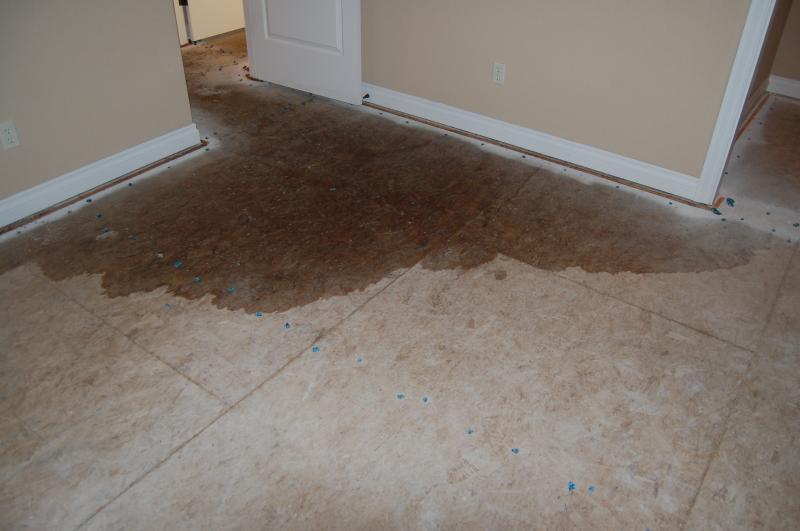
- Major water damage or flooding
- Persistent leaks after multiple repair attempts
- Leaking pipes inside walls or ceilings
- Signs of mold or structural damage
- Unusual noises or water pressure issues
Acting quickly can help minimize damage and prevent more serious problems in the future.
Additional Resources for Home Maintenance
Staying proactive with home care can prevent leaks and other issues. For those interested in kitchen tools and maintenance, you may want to read about how to press tortillas for chilaquiles or discover how to store corn masa for pressing to keep ingredients fresh. These resources offer practical advice for keeping your home running smoothly.
Frequently Asked Questions
How can I tell if I have a hidden leak in my home?
Signs of a hidden leak include unexplained increases in your water bill, damp spots on walls or ceilings, musty odors, or the sound of running water when all fixtures are off. Using a leak detector can help identify the source quickly.
What’s the best way to temporarily stop a pipe from leaking?
For a temporary fix, turn off the water supply and dry the area. Apply plumber’s tape or epoxy putty over the leak, and use a pipe repair clamp if available. This will hold until you can make a permanent repair or call a professional.
Are there ways to prevent leaks before they start?
Yes. Regularly inspect plumbing fixtures, replace worn washers and seals, insulate pipes in cold areas, and ensure proper drainage around your home. Installing leak detectors can also provide early warnings of potential problems.




