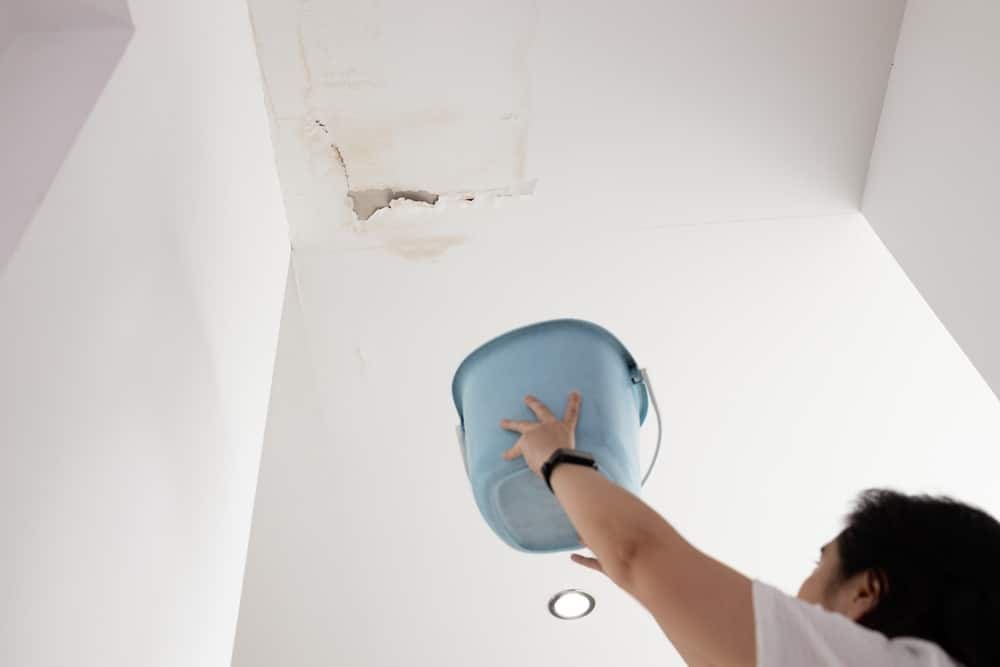
Water damage is one of the most common and costly issues homeowners face. Whether it’s a burst pipe, a leaking appliance, or storm-related flooding, the aftermath can be overwhelming and expensive to repair. Many property owners wonder: does homeowners insurance cover water damage? Understanding your policy’s details is crucial to avoid unpleasant surprises when you need help the most.
This article explains what types of water-related incidents are typically covered, which situations are excluded, and how you can protect your home and finances. If you’re interested in other practical home tips, you might also like our guide on how to press tortillas for gorditas de azucar.
Understanding Water Damage Coverage in Homeowners Insurance
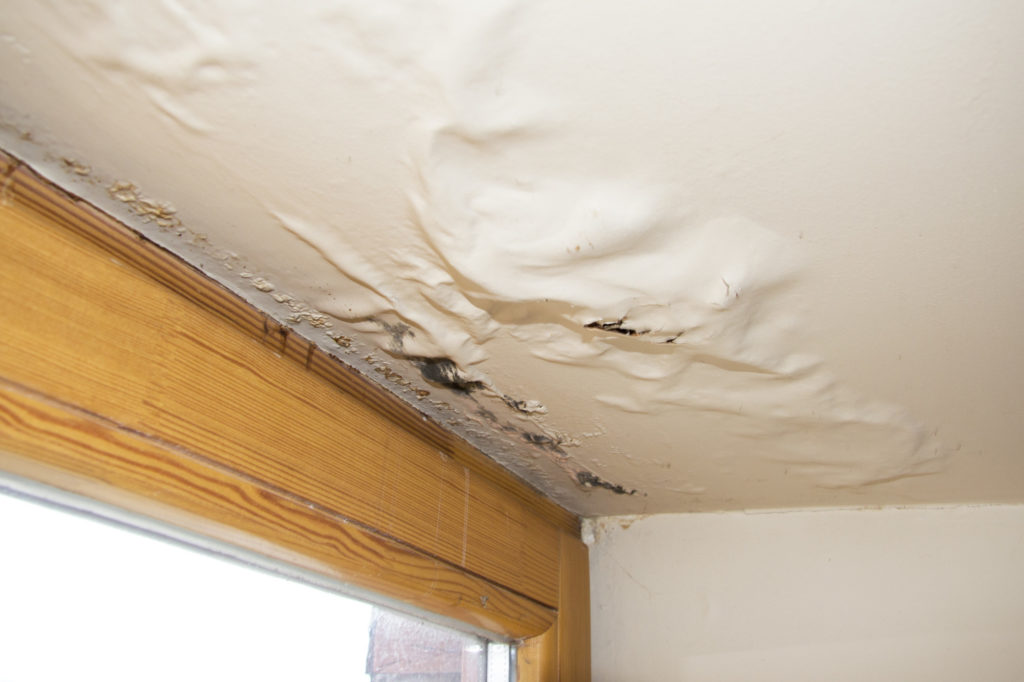
Most standard homeowners insurance policies include some form of protection against water damage, but the specifics depend on the source and circumstances. Generally, coverage is provided for sudden and accidental events, while gradual issues or neglect are often excluded.
- Sudden and Accidental Damage: If a pipe bursts unexpectedly or an appliance hose fails, resulting in water damage, your policy will likely help pay for repairs.
- Storm-Related Incidents: Rainwater entering through a damaged roof or window due to a covered peril (like wind or hail) is usually included.
- Overflow and Discharge: Water overflowing from plumbing, heating, or air conditioning systems may be covered if it’s accidental.
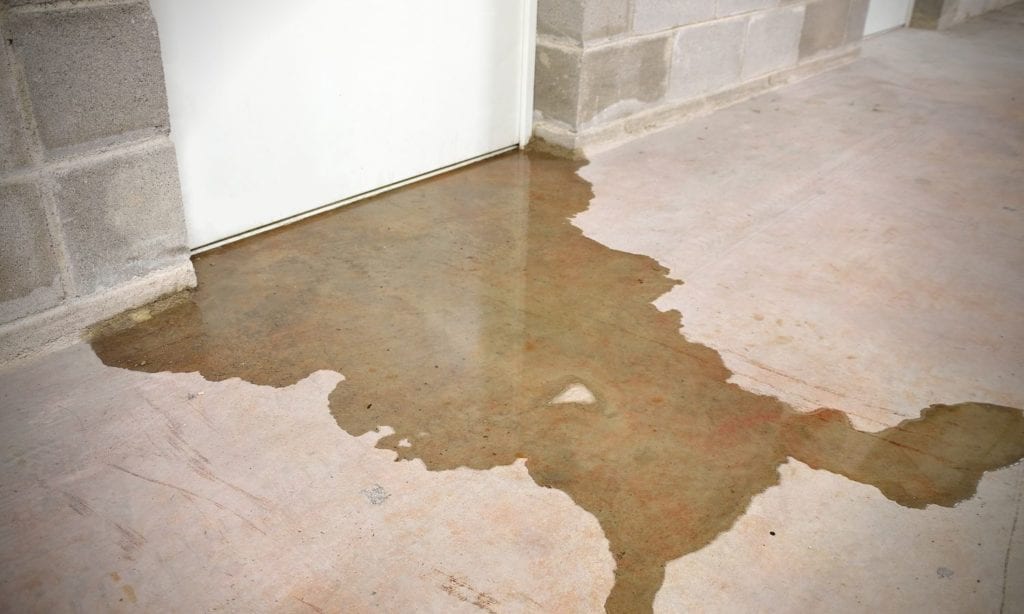
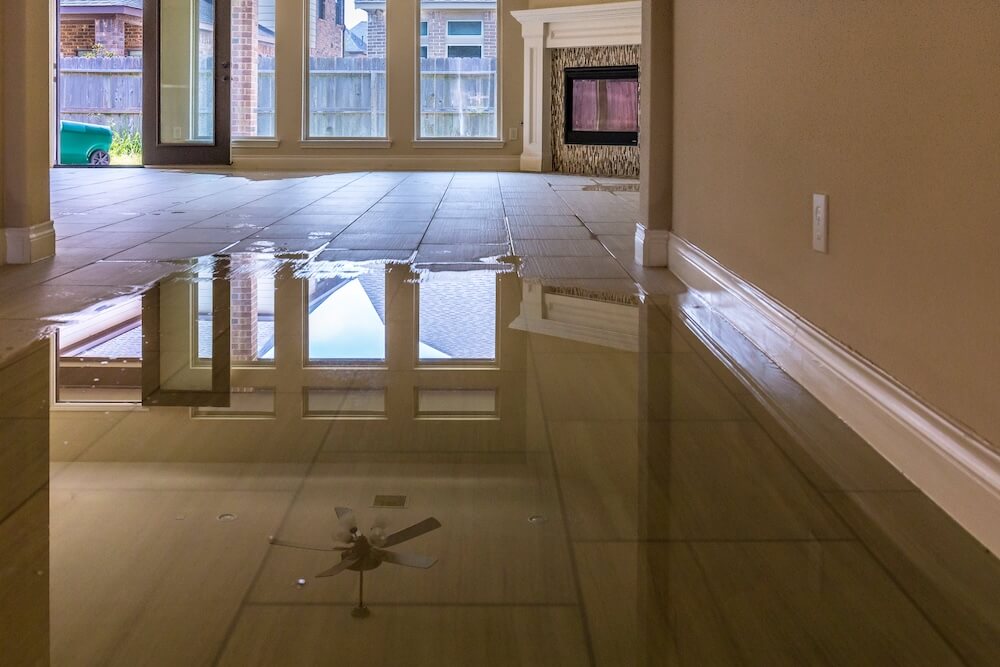
However, homeowners insurance typically does not cover flooding from external sources, such as rising rivers or heavy rain seeping through the foundation. For those risks, a separate flood insurance policy is required.
Common Scenarios: What’s Covered and What’s Not?
To clarify what’s included in a typical policy, let’s break down a few real-world examples:
| Scenario | Usually Covered? | Notes |
|---|---|---|
| Burst pipe in winter | Yes | As long as you maintained adequate heat in the home |
| Leaking roof from storm damage | Yes | Only if the storm is a covered peril |
| Gradual pipe leak over months | No | Considered maintenance issue |
| Flooding from heavy rain | No | Requires separate flood insurance |
| Sewer backup | Sometimes | May need special endorsement |
Types of Water Damage Typically Covered
When reviewing your policy, look for language about “sudden and accidental” water incidents. Here are the most common types of water damage that are generally included:
- Plumbing Failures: Burst pipes, broken water heaters, or failed washing machine hoses.
- Appliance Malfunctions: Dishwashers, refrigerators, or air conditioning units leaking unexpectedly.
- Storm Damage: Wind-driven rain entering through a damaged roof or window, provided the storm itself is a covered event.
- Overflow Incidents: Bathtub, sink, or toilet overflows (not due to neglect or intentional acts).
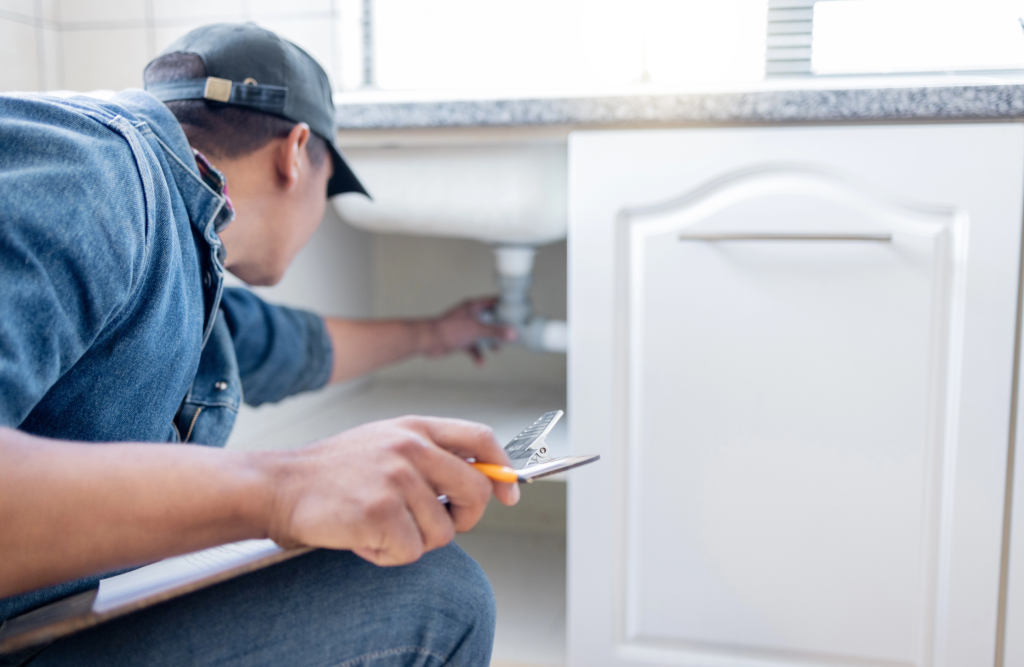
What Homeowners Insurance Usually Excludes
While policies offer broad protection, there are important exclusions to keep in mind. Understanding these gaps can help you plan ahead and avoid denied claims.
- Flood Damage: Water entering from outside the home due to natural disasters or rising groundwater is not covered. You’ll need a separate flood insurance policy for this risk.
- Negligence or Lack of Maintenance: If damage results from a slow leak you failed to repair, or from not maintaining your plumbing, the insurer may deny your claim.
- Sewer and Drain Backups: Standard policies often exclude water damage from sewer or sump pump backups unless you purchase a specific endorsement.
- Intentional Acts: Any damage caused intentionally or due to gross negligence is not covered.
Review your policy documents carefully and speak with your insurance agent to clarify any uncertainties about coverage and exclusions.
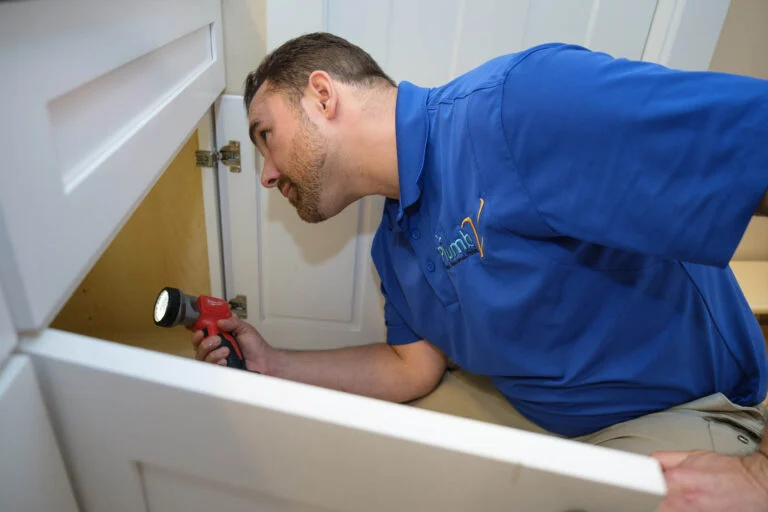
How to Strengthen Your Water Damage Protection
Even with insurance, preventing water damage is always preferable to dealing with repairs and claims. Here are some practical steps to reduce your risk and ensure you’re fully protected:
- Regular Maintenance: Inspect plumbing, appliances, and your roof at least once a year. Address minor leaks immediately.
- Install Leak Detectors: Devices that sense moisture or leaks can alert you to problems before they escalate. Consider investing in smart detectors for high-risk areas.
- Add Endorsements: Talk to your agent about adding sewer backup or sump pump failure coverage if you’re concerned about those risks.
- Understand Policy Limits: Know your deductible and maximum payout for water-related claims. Adjust your coverage if needed.
- Take Precautions When Away: If you’re leaving home for an extended period, shut off the main water supply and follow best practices to protect your home while you are away.
Filing a Water Damage Claim: What to Expect
If you experience a sudden water-related incident, taking prompt action can make the claims process smoother and increase the likelihood of approval:
- Document the Damage: Take clear photos and videos of all affected areas and damaged belongings.
- Stop the Source: If safe, shut off the water supply or take steps to prevent further damage.
- Contact Your Insurer: Notify your insurance company as soon as possible and provide all requested documentation.
- Mitigate Further Loss: Take reasonable steps to prevent additional damage, such as drying out wet areas or moving valuables.
- Work with Adjusters: An insurance adjuster will assess the damage and determine what’s covered under your policy.
Keep records of all communications and expenses related to the incident, as these may be needed to support your claim.
Frequently Asked Questions
Is mold damage covered by homeowners insurance?
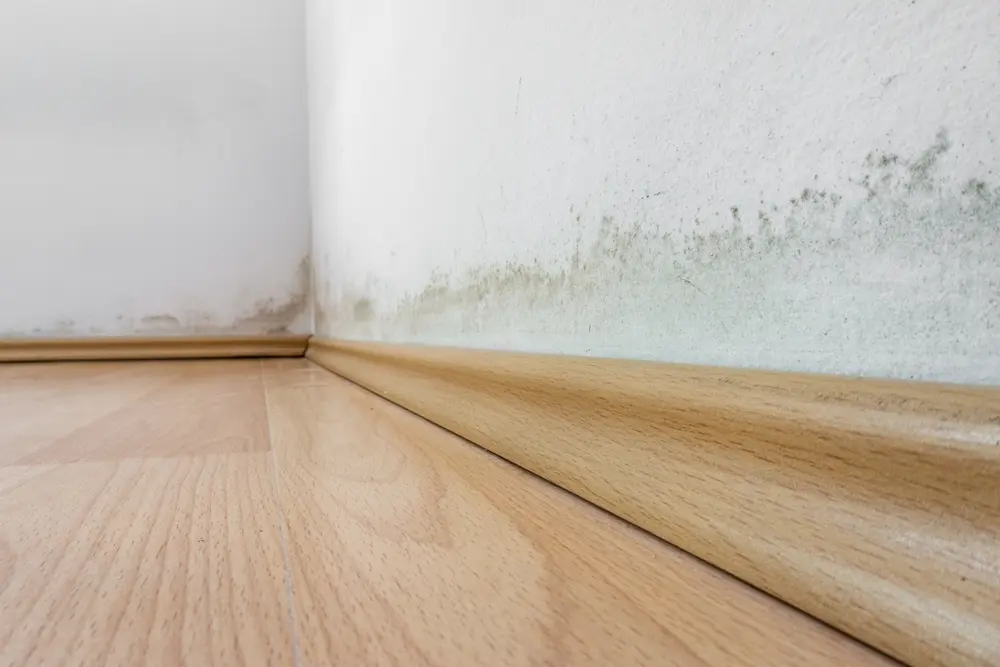
Mold resulting from a sudden and accidental water event, such as a burst pipe, may be covered. However, if mold develops due to long-term leaks or neglect, it’s typically excluded. Some policies offer limited mold coverage or optional endorsements.
Can I get coverage for sewer or drain backups?
Standard policies often exclude water damage from sewer or sump pump backups. However, you can usually add a sewer backup endorsement for an additional premium. Speak with your insurance agent to see if this option is available for your home.
What should I do if my claim is denied?
If your water damage claim is denied, review the insurer’s explanation and your policy documents. You can appeal the decision, provide additional evidence, or consult a public adjuster for assistance. It’s important to understand the reason for denial to prevent similar issues in the future.
Key Takeaways
- Most homeowners insurance policies cover sudden and accidental water damage, such as burst pipes or appliance failures.
- Flooding from external sources and gradual leaks due to neglect are generally excluded.
- Review your policy and consider endorsements for risks like sewer backup or sump pump failure.
- Take preventive steps, such as installing leak detectors and maintaining your home’s plumbing, to reduce the risk of costly water damage.
Understanding the details of your insurance policy can save you time, money, and stress when water damage strikes. If you have further questions, contact your insurance provider or a licensed agent for personalized advice.