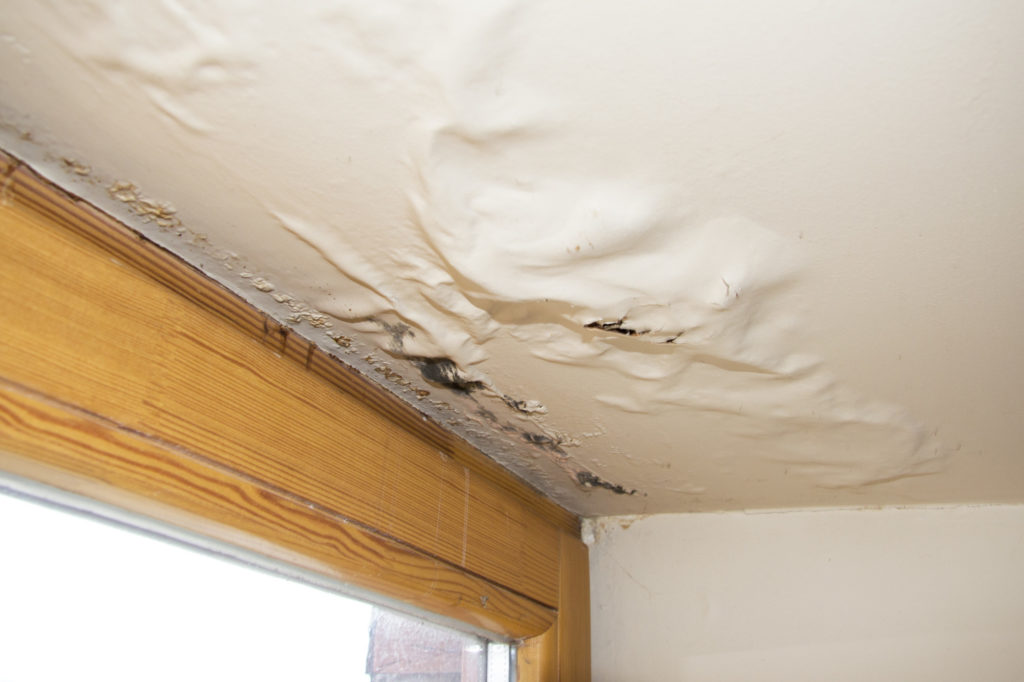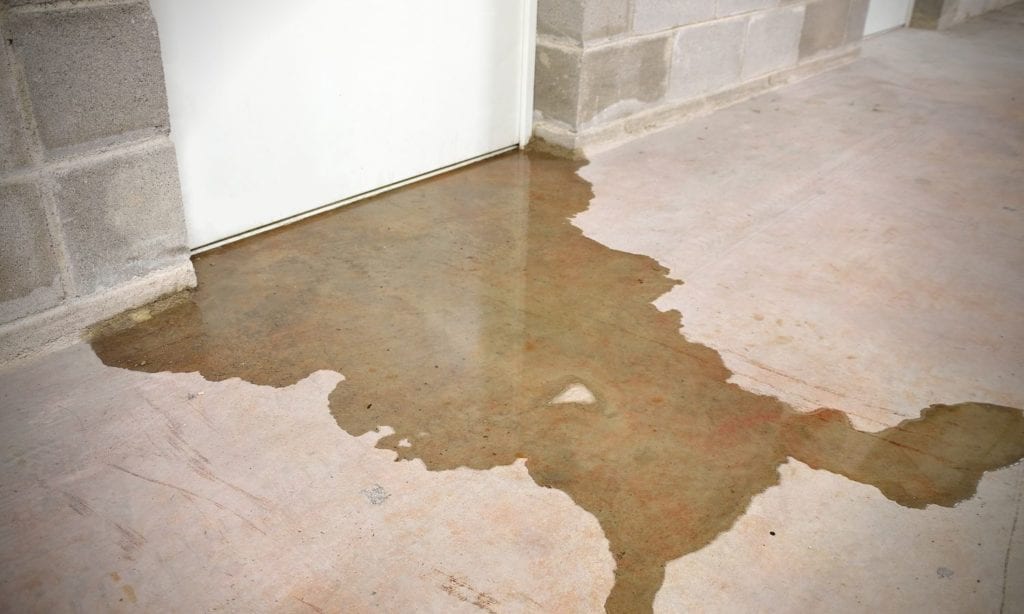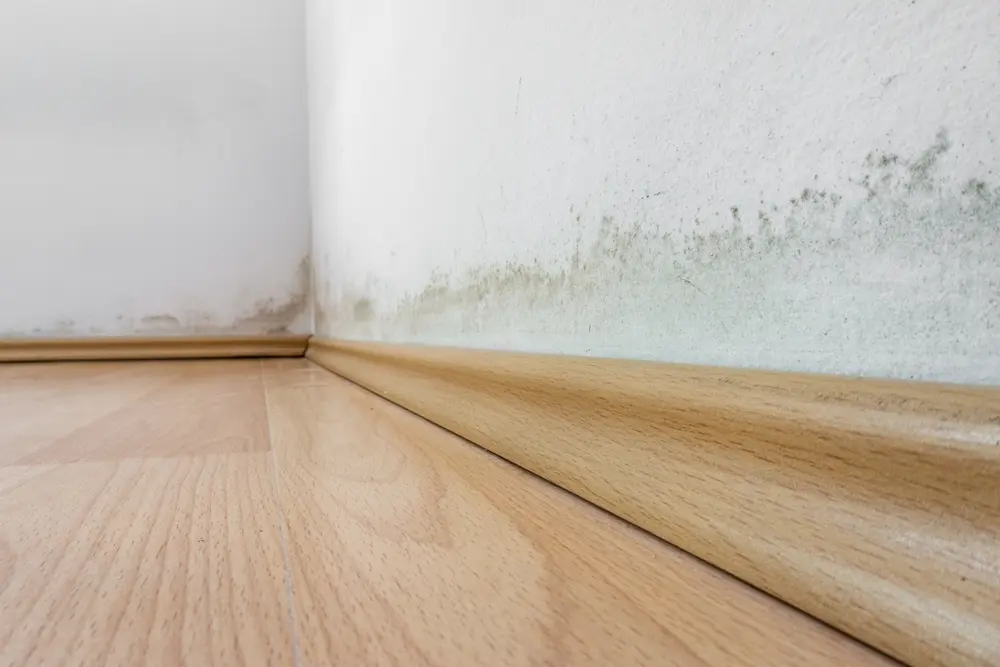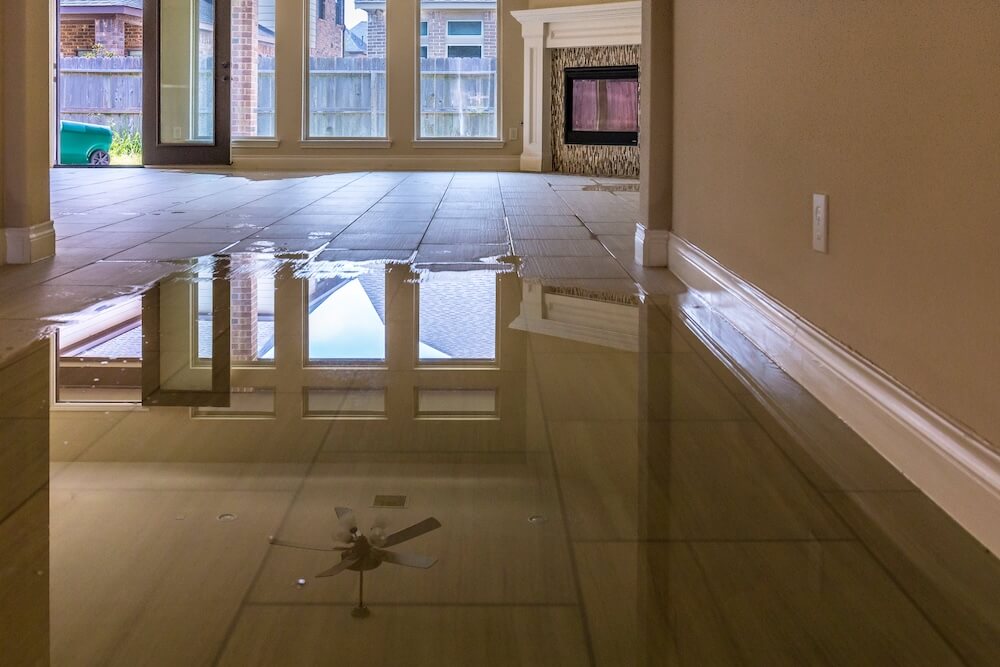

Sudden, heavy rainfall can overwhelm drainage systems and lead to dangerous water surges that threaten homes and property. For homeowners, understanding how to safeguard against these rapid water events is essential. Implementing the right flash flooding home protection measures can help minimize damage, protect valuables, and ensure the safety of everyone in your household.
This guide covers practical steps for preparing your property, highlights essential tools and upgrades, and provides resources for staying informed and ready. If you’re seeking more comprehensive advice on preventing water damage, you might also find value in our home flood prevention resource, which explores additional techniques for keeping your living space safe.
Understanding the Risks of Sudden Flooding
Flash floods can occur with little warning, often within minutes or hours of intense rainfall. Urban areas are especially vulnerable due to large amounts of concrete and limited natural drainage. Recognizing your risk level is the first step in developing an effective home protection plan for flash floods.
- Check if your property is in a flood-prone area using local government maps or online tools.
- Be aware of nearby rivers, streams, or drainage channels that could overflow.
- Monitor weather alerts, especially during storm seasons.
Essential Steps for Flash Flooding Home Protection
Taking proactive measures can significantly reduce the impact of sudden water surges. Here are some practical strategies to help shield your home:
1. Inspect and Maintain Drainage Systems
Regularly clear gutters, downspouts, and drains to ensure water flows away from your foundation. Clogged systems can cause water to back up and enter your home. Consider installing gutter guards to reduce debris buildup.
2. Seal Vulnerable Entry Points
Water often enters through cracks in foundations, basement windows, and doorways. Use waterproof sealants and weather stripping to reinforce these areas. For homes with basements, installing window well covers adds an extra layer of defense.

3. Install Sump Pumps and Backflow Valves
A sump pump can quickly remove water that enters your basement or crawl space. Choose a model with a battery backup to ensure operation during power outages. Backflow valves prevent sewage from backing up into your home during heavy rain.
4. Landscape for Water Diversion
Grading your yard so that it slopes away from your house helps direct water toward storm drains. Use swales, French drains, or rain gardens to manage runoff. Avoid piling mulch or soil against your foundation, as this can trap moisture.
Upgrading Your Home for Better Flood Resilience
Investing in certain upgrades can further strengthen your property’s defenses. Here are some options to consider:
- Flood barriers: Portable barriers or sandbags can block water from entering doors and garages during emergencies.
- Waterproof flooring: Replace carpet or wood in lower levels with tile or vinyl, which resist water damage.
- Elevate utilities: Move electrical panels, appliances, and HVAC units above potential flood levels.
- Smart monitoring: Install water leak detectors and alarms to receive early warnings of leaks or rising water.
Emergency Preparedness and Response
Even with the best prevention, it’s important to be ready for emergencies. Develop a family plan and keep supplies on hand:
- Store important documents in waterproof containers.
- Have an emergency kit with flashlights, batteries, bottled water, and first aid supplies.
- Know how to shut off electricity and gas if water starts to enter your home.
- Establish evacuation routes and meeting points for your family.
For more detailed advice on how to prevent water damage and protect your living space, check out our step-by-step guide to preventing home flooding.

Staying Informed and Connected
Keeping up with weather alerts and local advisories is crucial. Sign up for community warning systems and download weather apps that provide real-time updates. The home flood preparedness guide from Constellation offers additional tips on getting ready for severe weather.
After a flood event, document any damage with photos and contact your insurance provider as soon as possible. It’s also wise to schedule a spring home inspection for leaks to catch any hidden issues before they become major problems.
Long-Term Strategies for Flood Prevention
Beyond immediate actions, consider these ongoing practices to keep your property safe:
- Regularly review your insurance coverage to ensure it includes flood protection.
- Participate in neighborhood initiatives to improve local drainage and reduce risk for the whole community.
- Stay informed about the top causes of home flooding so you can address vulnerabilities before storms hit.
- Schedule annual maintenance checks for your sump pump and other protective equipment.
For additional practical advice, our residential flood prevention article details proven methods that work for a variety of home types and locations.
Frequently Asked Questions
What is the most effective way to protect a basement from flash floods?
The best approach combines several methods: install a sump pump with a battery backup, seal all cracks and window wells, and use backflow valves to prevent sewage backups. Regular maintenance and early detection devices, such as water leak alarms, add extra protection.
Are sandbags enough to keep floodwater out of my home?
Sandbags can provide a temporary barrier, but they are most effective when used with other measures like door barriers and proper landscaping. They should be placed tightly against entry points and checked regularly during heavy rain.
How can I tell if my home is at risk for flash flooding?
Check local flood maps, review your property’s elevation, and observe how water drains during storms. If you notice pooling or slow drainage, your home could be at higher risk. Local authorities and online resources can help you assess your vulnerability.
Do I need special insurance for flood damage?
Standard homeowners insurance usually does not cover flood damage. You may need to purchase a separate flood insurance policy, especially if you live in a high-risk area. Review your coverage regularly and consult your insurance agent for guidance.