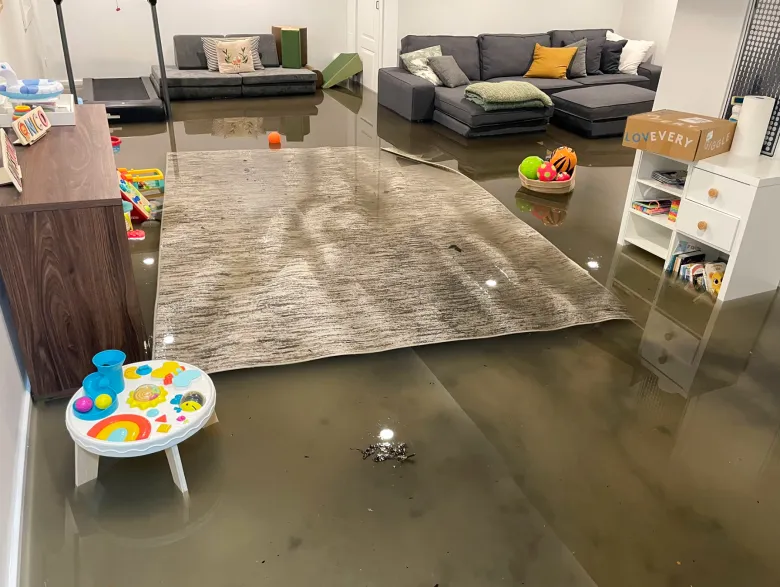
As extreme weather events become more frequent, flood proofing a house is an essential step for homeowners in at-risk areas. Water damage can be costly and disruptive, but with the right strategies, you can significantly reduce your home’s vulnerability. This article outlines practical approaches, from structural upgrades to simple preventative measures, to help you keep your property and belongings safe from flooding.
If you’re interested in kitchen prep, you might also like our guide on how to press tortillas for chilaquiles.
Understanding Flood Risks for Your Property
Before making improvements, it’s important to assess the specific flood risks in your area. Check local flood maps and consider factors like proximity to rivers, lakes, or low-lying land. Understanding your home’s exposure will help you prioritize the most effective flood proofing methods.
- Consult your local government’s flood risk resources.
- Review your property’s elevation and drainage patterns.
- Consider historical flooding events in your neighborhood.
Structural Solutions for Water Protection
Investing in physical upgrades is one of the most reliable ways to protect your home from water intrusion. Here are some proven methods:
Elevating Key Components
Raising electrical outlets, HVAC systems, and major appliances above potential flood levels can prevent costly damage. In severe risk areas, some homeowners choose to elevate the entire structure on piers or stilts.
Installing Flood Barriers and Shields
Removable or permanent barriers can be placed at doors, windows, and garage entrances. These systems block water from entering during a flood event and can be customized for your property’s layout.
Sealing Foundations and Walls
Waterproof coatings and sealants applied to basement walls and foundations help keep water out. Regularly inspect for cracks and repair them promptly to maintain a strong barrier.
Drainage and Landscaping Tactics
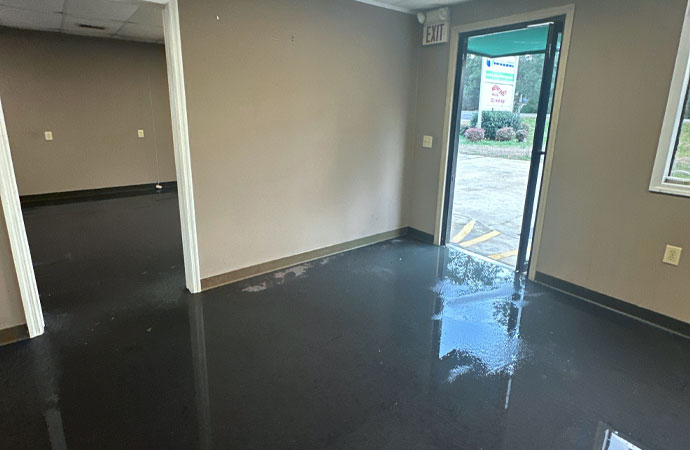
The way water flows around your property can make a big difference in flood resilience. Simple landscaping changes can redirect water away from your home and reduce pooling.
- Grade your yard so that water slopes away from the foundation.
- Install French drains or swales to channel runoff safely.
- Use gravel, permeable pavers, or rain gardens to absorb excess water.
- Keep gutters and downspouts clear, and extend them at least six feet from the house.
Basement and Crawl Space Protection
Lower levels are especially vulnerable to flooding. To minimize risk:
- Install a sump pump with a battery backup to remove water quickly.
- Use vapor barriers on crawl space floors and walls.
- Consider backflow valves on sewer lines to prevent water from backing up into your home.
Smart Technology and Early Warning Systems
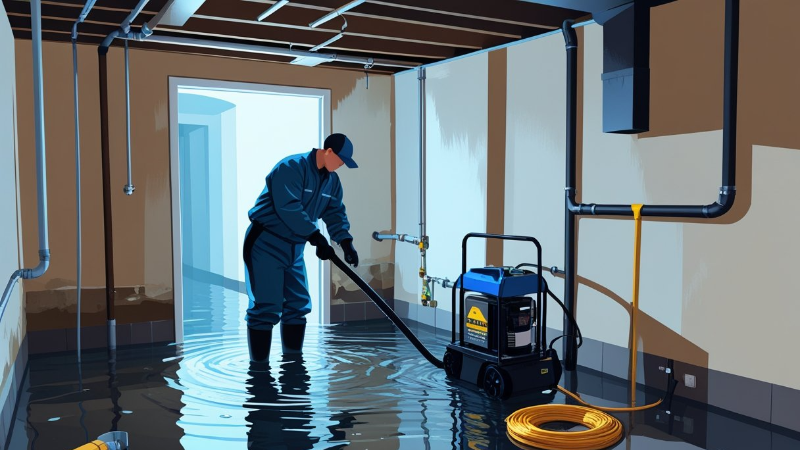
Modern technology offers new ways to detect water leaks and respond quickly. Installing water sensors in basements, laundry rooms, and near appliances can provide early alerts to potential problems. Some systems can even shut off your water supply automatically if a leak is detected.
For more information on home flood preparedness, visit this comprehensive guide to flood preparedness.
Insurance and Emergency Planning
Even with the best precautions, some risks remain. Make sure your homeowner’s insurance includes flood coverage, as standard policies often do not. Keep important documents in a waterproof container and have an emergency plan for your family, including evacuation routes and contact information.
Regular Maintenance and Inspection
Ongoing maintenance is key to keeping your home protected. Inspect your property each season for signs of wear, blocked drains, or foundation cracks. Test sump pumps and alarms regularly to ensure they function when needed.
If you’re interested in maintaining kitchen equipment, our article on how to sanitize a cast iron press offers practical cleaning tips.
Frequently Asked Questions
What is the most effective way to prevent flood damage to my home?
Combining several methods—such as installing barriers, improving drainage, sealing foundations, and using water sensors—offers the best protection. Tailor your approach based on your property’s specific risk factors.
Can landscaping really help with flood prevention?
Yes, proper grading, the use of rain gardens, and permeable surfaces can significantly reduce water pooling and direct runoff away from your home, lowering the risk of water entering your foundation.
Is flood insurance necessary if I’ve already made improvements?
While upgrades reduce risk, insurance provides financial protection in case of severe weather or unexpected events. It’s wise to maintain coverage even after making improvements.
How often should I inspect my flood prevention systems?
Check all systems—such as sump pumps, barriers, and water sensors—at least twice a year, and after any major storm. Regular maintenance ensures everything works when you need it most.
Taking a proactive approach to flood proofing a house can save you money, stress, and time in the long run. By combining structural improvements, smart technology, and regular upkeep, you can help protect your home from the increasing threat of flooding.